

Vegan Bread Ingredient Checker
Analyze Your Bread Ingredients
Enter ingredients from your bread package to check for hidden animal products
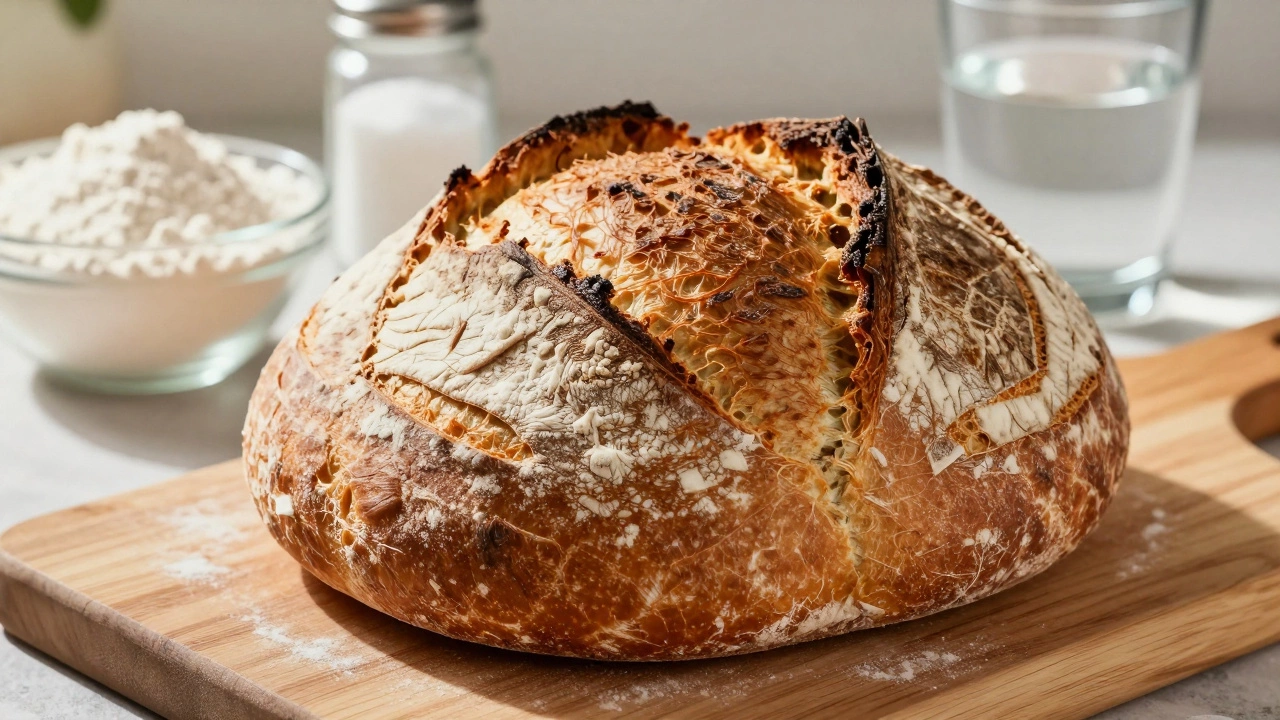
Walk into any bakery in Auckland or London, grab a loaf of sourdough, and you’d assume it’s safe. It looks simple: flour, water, yeast, salt. But look closer at the label or ask the baker, and you might find hidden eggs, honey, or even whey protein. For anyone following a strict plant-based diet, figuring out what bread is vegan can feel like decoding a secret language.
The good news? Most basic breads are naturally vegan. The bad news? Many artisanal, sweet, and convenience store loaves sneak in animal products. This guide cuts through the confusion so you never have to guess again.
The Basics: What Makes Bread Non-Vegan?
To know what bread is vegan, you first need to know what isn’t. Pure bread requires only four ingredients: flour, water, yeast, and salt. That’s it. If a loaf contains just those four items, it is automatically vegan. The problem starts when bakers add enrichments for texture, flavor, or shelf life.
Here are the most common non-vegan ingredients hiding in your favorite loaves:
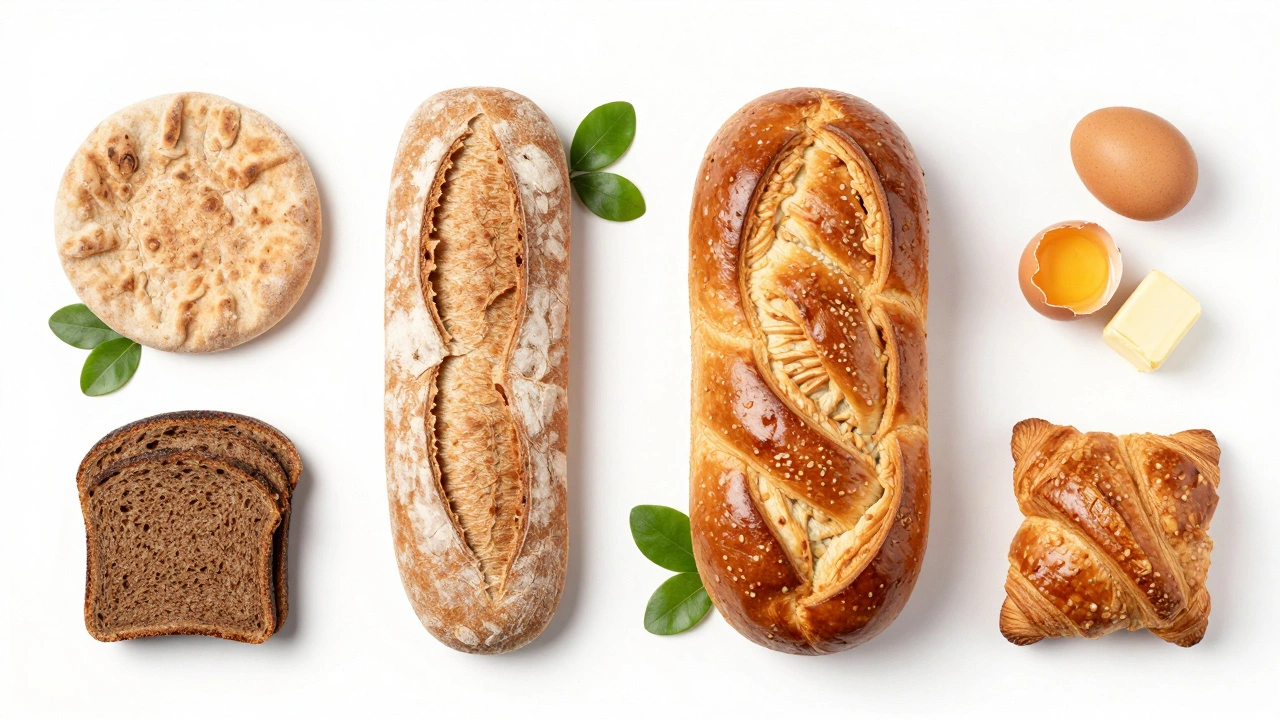
- Eggs: Used in brioche, challah, and many sandwich rolls to create a soft, rich crumb.
- Milk or Whey: Added to white sandwich breads and dinner rolls for tenderness.
- Butter: Common in croissants, Danish pastries, and some enriched doughs.
- Honey: Often used as a sweetener in whole wheat, rye, and multigrain breads instead of sugar.
- L-cysteine (E951): A dough conditioner often derived from duck feathers or hog hair, though synthetic versions exist.
- Vitamin D3: Usually sourced from sheep wool lanolin, found in fortified breakfast cereals and some breads.
If you see any of these on an ingredient list, put the loaf back.
Safe Bets: Types of Bread That Are Usually Vegan
You don’t need to read every label if you stick to traditional styles that rely on fermentation rather than enrichment. Here is a breakdown of bread types that are typically safe, along with why they work.
Sourdough
Sourdough is the holy grail for vegans. Traditional sourdough uses a starter culture made of wild yeast and bacteria, fed with flour and water. There is no room for eggs or dairy. When you buy sourdough, check for "no added oil" or "no butter" labels, as some commercial brands add fats for softness. Plain, crusty sourdough is almost always 100% plant-based.
Rye Bread
Dense, dark Rye bread (like pumpernickel) is another safe harbor. Rye flour has a different gluten structure than wheat, requiring less yeast and often no enrichments. However, watch out for "light rye" or "rye-wheat blends," which sometimes include milk powder or honey for balance.
Focaccia and Ciabatta
Italian staples like Focaccia and Ciabatta are generally vegan because they rely on olive oil for moisture rather than butter. Just ensure the focaccia isn’t topped with cheese or drizzled with honey-infused oils after baking.
Pita and Flatbreads
Most plain Pita bread, naan, and lavash are vegan. They are quick-baked flatbreads that rarely require eggs. Be cautious with garlic naan from Indian restaurants, as it is sometimes brushed with ghee (clarified butter).
| Bread Type | Usually Vegan? | Watch Out For |
|---|---|---|
| Sourdough | Yes | Added butter or milk in commercial varieties |
| Brioche | No | Eggs and butter are core ingredients |
| Challah | No | Eggs and honey/sugar |
| White Sandwich Bread | Maybe | Milk powder, whey, casein |
| Whole Wheat | Maybe | Honey, egg whites, dairy fat |
| Croissant | No | Large amounts of butter |
| Pita | Yes | Ghee brushing (in restaurant settings) |
Hidden Traps in Commercial Bread
Supermarket bread is engineered for shelf stability and softness. To achieve this, manufacturers use additives that aren't always obvious. Even if a package says "no artificial flavors," it might still contain animal derivatives.
Monoglycerides and Diglycerides: These emulsifiers keep bread soft. They can be plant-based (from soy or sunflower) or animal-based (from tallow). In the US and EU, manufacturers are not required to specify the source. If you are strict, avoid breads listing these unless the brand confirms they are plant-derived.
Natural Flavors: A vague term that can hide whey, casein, or gelatin. Always cross-reference with the allergen statement. If it lists "Milk" or "Contains Milk," the natural flavors likely contain dairy.
Enzymes: Fungal amylase is vegan, but lipase can come from animal stomachs. Most modern commercial bread uses fungal enzymes, but it's worth checking if you are highly sensitive.
Making Your Own Vegan Bread
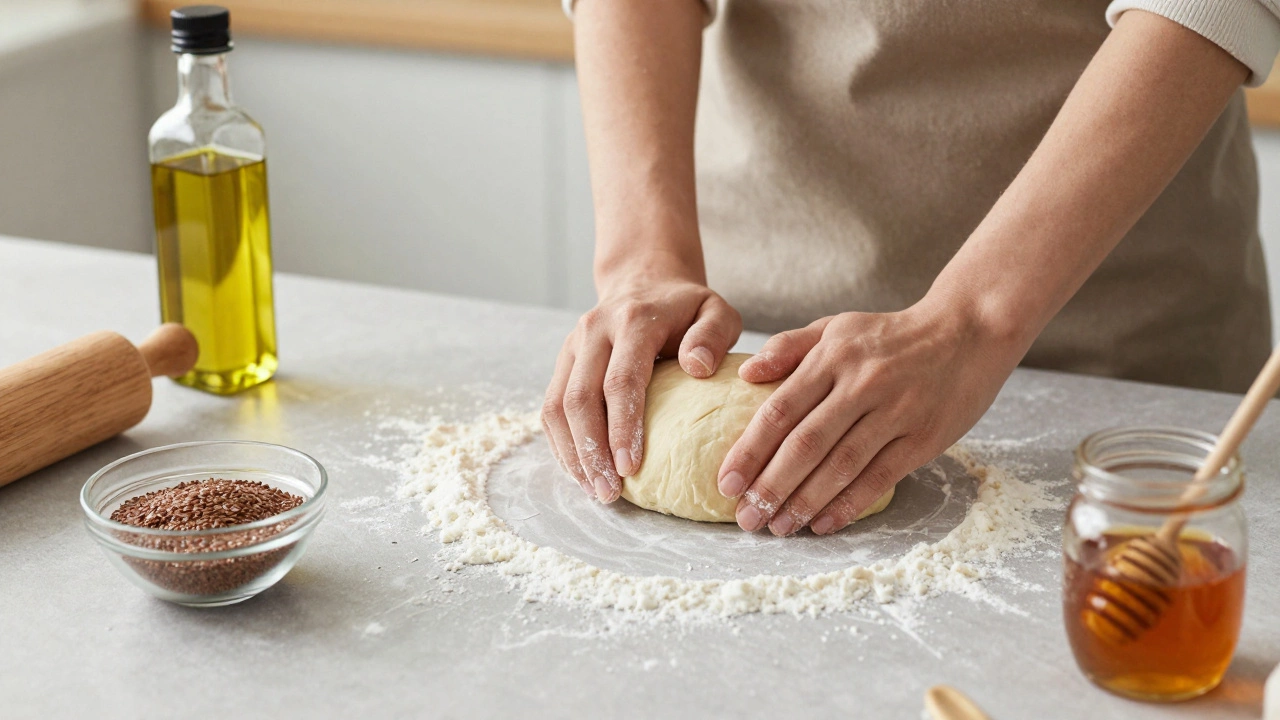
If you want total control, bake your own. Making vegan bread at home is easier than you think. You simply swap animal fats for plant oils and binders for flax or applesauce.
Here is a simple framework for converting any bread recipe to vegan:
- Replace Butter: Use coconut oil, olive oil, or neutral vegetable oil. Coconut oil mimics the solid fat structure of butter well in cold doughs.
- Replace Eggs: Use a "flax egg" (1 tbsp ground flaxseed + 3 tbsp water) for binding, or aquafaba (chickpea brine) for leavening in lighter breads.
- Replace Milk: Use oat milk, soy milk, or almond milk. Soy milk works best for high-protein needs in dough.
- Replace Honey: Use maple syrup, agave nectar, or cane sugar. Maple syrup adds a nice depth to whole grain breads.
A basic vegan sandwich bread recipe includes: 3 cups bread flour, 1 tsp salt, 2 tsp active dry yeast, 1 tbsp sugar, 1 tbsp olive oil, and 1 cup warm water. Mix, knead, rise, and bake. No animal products involved.
Vegan-Friendly Bread Brands
Not everyone has time to bake. Fortunately, several major brands have moved toward transparent, plant-friendly formulas. Availability varies by region, but here are some reliable names to look for:
- Dave’s Killer Bread: Most varieties are vegan, but check for honey in the "Honey Oat" lines. Stick to the "Super Mega Green" or "Organic Whole Grain" options.
- Schär: Known for gluten-free bread, Schär offers many vegan-certified options. Their GF White Bread and Multigrain are popular choices.
- Alvarado Street Bakery: A pioneer in certified vegan breads. Their Everything Bagels and Multigrain Sliced Bread are widely available.
- Warburtons (UK): While many Warburtons products contain milk, their "Good Things" range and specific plain white loaves are often vegan-friendly. Always check the current packaging.
- Levain Bakery Style (Local Artisans): Many local bakeries now offer vegan sourdough. Look for signs saying "plant-based" or ask about their starters.
When in doubt, look for the "Certified Vegan" logo. This third-party certification ensures no animal testing and no animal ingredients, including hidden ones like L-cysteine.
Frequently Asked Questions
Is all sourdough bread vegan?
Traditional sourdough is vegan, containing only flour, water, salt, and starter culture. However, some commercial brands add butter, milk, or eggs to improve texture. Always check the ingredient list for added fats or proteins.
Can I eat honey bread if I'm vegan?
No. Honey is produced by bees and is considered an animal product in veganism. Look for breads sweetened with maple syrup, agave, or cane sugar instead.
Why is brioche not vegan?
Brioche is an enriched dough that relies heavily on eggs and butter for its signature soft, rich texture. Without these animal fats, it would not be classified as brioche.
Is gluten-free bread usually vegan?
Many gluten-free breads are vegan because they use starches and gums rather than animal proteins. However, some brands add egg whites or milk powder to mimic gluten's structure. Check labels carefully or look for vegan certification.
What is L-cysteine in bread?
L-cysteine is a dough conditioner that makes bread softer and easier to mix. It can be derived from duck feathers, hog hair, or human hair. Synthetic or fermented versions are vegan. If you are concerned, choose brands that specify "synthetic L-cysteine" or are Certified Vegan.
Are bagels vegan?
Plain bagels are usually vegan, made from flour, water, yeast, and malt. However, some recipes include eggs or honey. Flavored bagels may also contain dairy (like cheddar bagels). Stick to plain, sesame, or poppy seed varieties and verify the ingredients.
How do I substitute eggs in homemade bread?
For binding, use a flax egg (1 tbsp ground flax + 3 tbsp water). For leavening in light breads, use aquafaba (chickpea liquid). For richness, replace butter with coconut oil or olive oil.


Write a comment