

The Ultimate Cake Flavour Showdown
Cast your vote to see how global preferences stack up against local tastes. Vanilla vs. Chocolate: Who wins?
Step 1: Your Preference
Which flavour do you prefer for a standard birthday party?
Step 2: The Verdict
Walk into any bakery in Auckland or scroll through Instagram food feeds, and you’ll see a fierce battle raging. It’s not about who has the fanciest piping or the tallest tier; it’s about pure taste. Vanilla is often called the plain Jane of the baking world, while Chocolate wears the crown of indulgence. But if you ask bakers, data scientists, and your average guest at a birthday party, there is a clear winner hiding in the numbers.
You might think this is subjective. After all, taste is personal. However, when we look at global sales data, search trends, and consumer preference surveys from major markets like the US, UK, and Australia, a pattern emerges. It isn’t just about what people say they want to eat; it’s about what they actually buy. So, which flavour truly holds the title of "No. 1"? Let’s break down the contenders, the science behind why we love them, and how to make sure yours is the best one on the table.
The Heavyweight Champion: Why Vanilla Often Wins
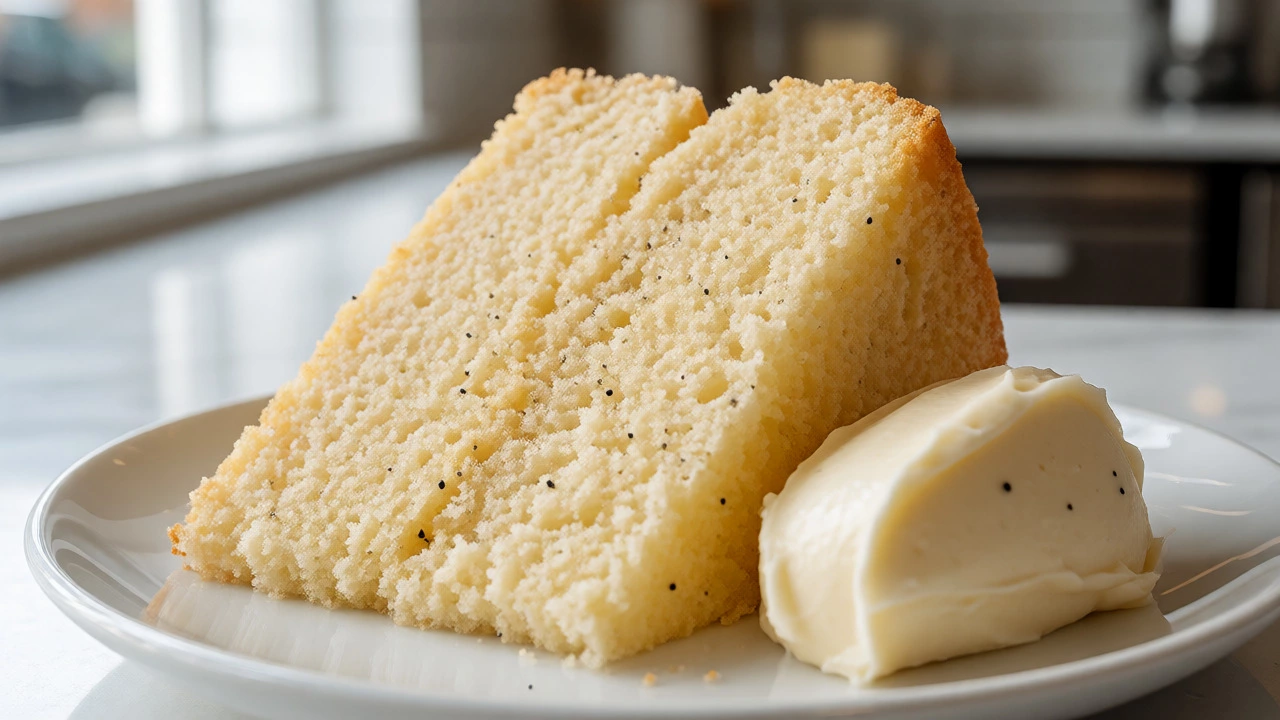
Surprisingly, Vanilla consistently ranks as the most popular cake flavour globally. You might be shocked. We associate vanilla with simplicity, perhaps even boredom. But here’s the thing: vanilla is the ultimate canvas. It pairs with almost everything-fruit, caramel, nuts, coffee, and yes, even other chocolates.
Why does it win? It comes down to versatility and familiarity. Vanilla contains vanillin, a compound that our brains associate with comfort and sweetness. It doesn’t overpower the palate. When you serve a wedding cake or a large family gathering dessert, you need something everyone will eat. Chocolate can be too rich for some; lemon too sharp; red velvet too artificial. Vanilla sits safely in the middle. It’s the reliable friend who never lets you down.
Think about the last time you bought a slice of cake at a café. Was it plain vanilla sponge with cream? Probably. Or was it vanilla bean buttercream? Likely. The perception of vanilla as "basic" is actually its superpower. It allows high-quality ingredients to shine without needing complex flavor profiles to mask poor baking skills.
The Emotional Contender: Chocolate’s Unbeatable Appeal
If vanilla wins on logic and sales volume, Chocolate wins on emotion. Ask someone their favorite flavour, and many will shout "chocolate!" before they’ve even finished their sentence. This is the comfort food king. The combination of sugar, fat, and cocoa creates a dopamine hit that vanilla simply can’t match.
However, chocolate faces a hurdle: variety fatigue. There are so many types of chocolate cake-Devil’s Food, German Chocolate, Mud Cake, Ganache-filled-that "chocolate" becomes a fragmented category. When data analysts look at "chocolate cake," they’re seeing a split vote between dark, milk, white, and hazelnut variations. If you group all chocolate variants together, it rivals vanilla closely. But as a single, unified flavour profile, it struggles against the singular dominance of standard vanilla.
Also, consider the mess factor. Chocolate cake stains clothes. It melts faster in warm weather (a real issue for outdoor weddings in New Zealand summers). These practical downsides nudge event planners toward lighter options, further cementing vanilla’s top spot for large-scale events.
Global Sales Data and Consumer Trends
Let’s look at the hard numbers. According to market research firms tracking grocery and bakery sales in Western countries, vanilla-flavored baked goods account for approximately 30-40% of all cake sales. Chocolate follows closely at 25-30%. Other flavours like lemon, carrot, and red velvet fight for the remaining crumbs.
Here is a breakdown of typical market share preferences:
| Flavour | Market Share (%) | Primary Use Case | Consumer Sentiment |
|---|---|---|---|
| Vanilla | 35% | Weddings, Birthdays, Everyday Treats | Classic, Safe, Versatile |
| Chocolate | 28% | Indulgent Desserts, Kids' Parties | Rich, Decadent, Comforting |
| Lemon/Citrus | 12% | Spring Events, Tea Time | Fresh, Zesty, Light |
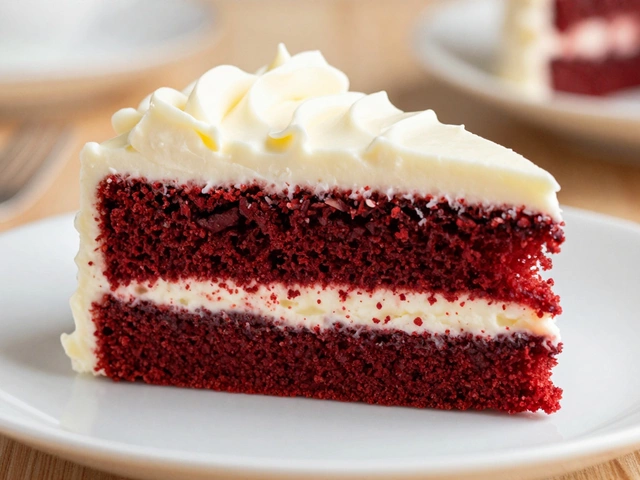
| Red Velvet | 10% | Valentine's Day, Visual Impact | Trendy, Mild Cocoa, Cream Cheese Pairing |
| Carrot/Spice | 8% | Easter, Autumn Gatherings | Moist, Spiced, Traditional |
| Other (Fruit/Nut) | 7% | Niche Preferences, Dietary Needs | Specialized, Unique |
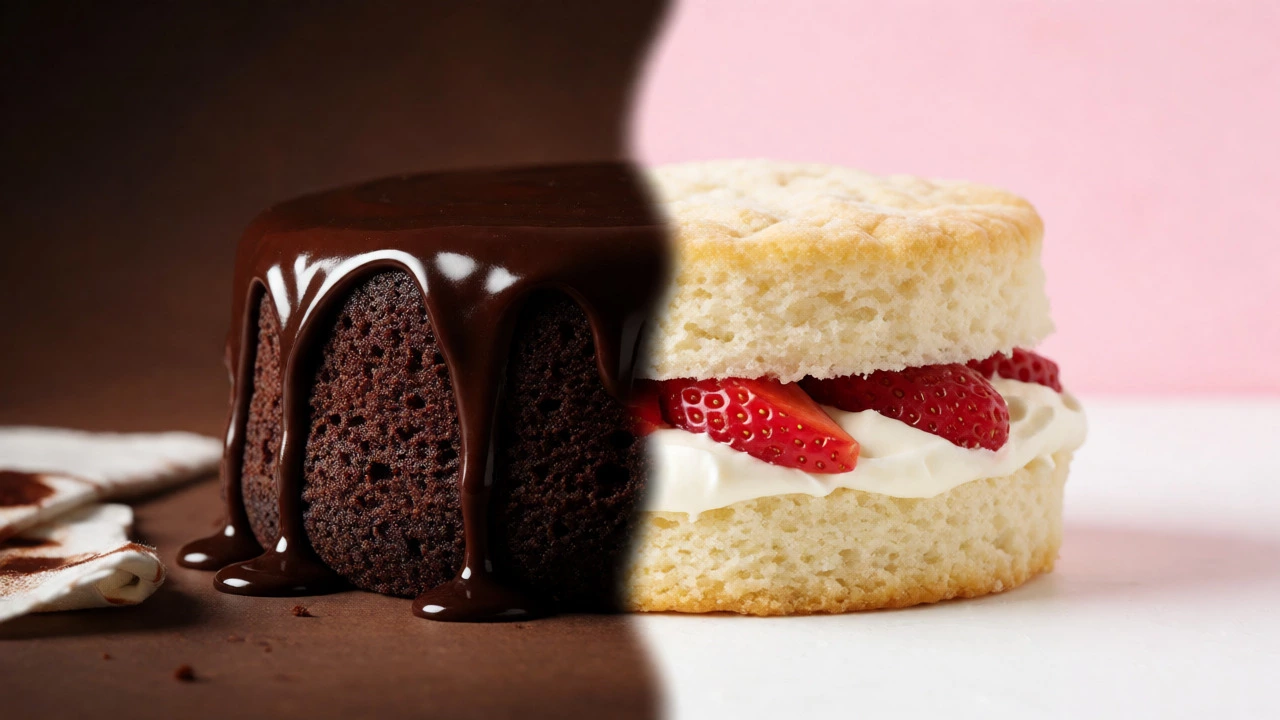
Notice how vanilla dominates across multiple categories. It’s not just a cake; it’s a base. A strawberry shortcake is essentially vanilla sponge with strawberries. A banoffee pie uses a biscuit base but often incorporates vanilla custard elements. The ubiquity of vanilla makes it the invisible backbone of the dessert world.
Regional Differences: Does Location Matter?
While vanilla leads globally, local tastes do shift the rankings slightly. In the United Kingdom, Victoria Sponge (which is fundamentally vanilla) remains a cultural icon. In the United States, Red Velvet has carved out a significant niche, especially in the South, where its mild cocoa flavor appeals to those who find dark chocolate too bitter.
In New Zealand and Australia, there is a strong preference for lighter, fruit-based cakes during summer months. Pavlova, while technically a meringue, competes for dessert space. However, when it comes to traditional layer cakes, Kiwis and Aussies still lean heavily toward vanilla bean and chocolate mud cakes. The "mud cake" phenomenon in NZ proves that while vanilla may win overall volume, chocolate wins specific occasions where richness is desired.
Japan offers an interesting contrast. Strawberry shortcake (Korean-style Japanese variation) is incredibly popular for birthdays. It uses light vanilla sponge and fresh cream. Again, notice the pattern: the sponge is vanilla. The star is the fruit, but the foundation remains neutral.
The Science of Craving: Why We Choose What We Choose
Why do we gravitate toward these two giants? It’s biological. Humans are wired to seek out sugar and fat. Both vanilla and chocolate cakes deliver this combo efficiently. But there’s more to it than calories.
Vanilla’s aroma is linked to memory and nostalgia. For many, the smell of vanilla evokes childhood memories of home-baked goods. This emotional connection drives repeat purchases. You don’t just buy a vanilla cake because it tastes good; you buy it because it feels right.
Chocolate, on the other hand, contains phenylethylamine, a chemical that releases endorphins. It’s literally mood-altering. When you’re stressed, sad, or celebrating, chocolate feels like a reward. Vanilla feels like a staple. That distinction explains why chocolate spikes in sales during holidays and stressful periods, while vanilla maintains steady, year-round popularity.
Beyond the Big Two: Rising Stars
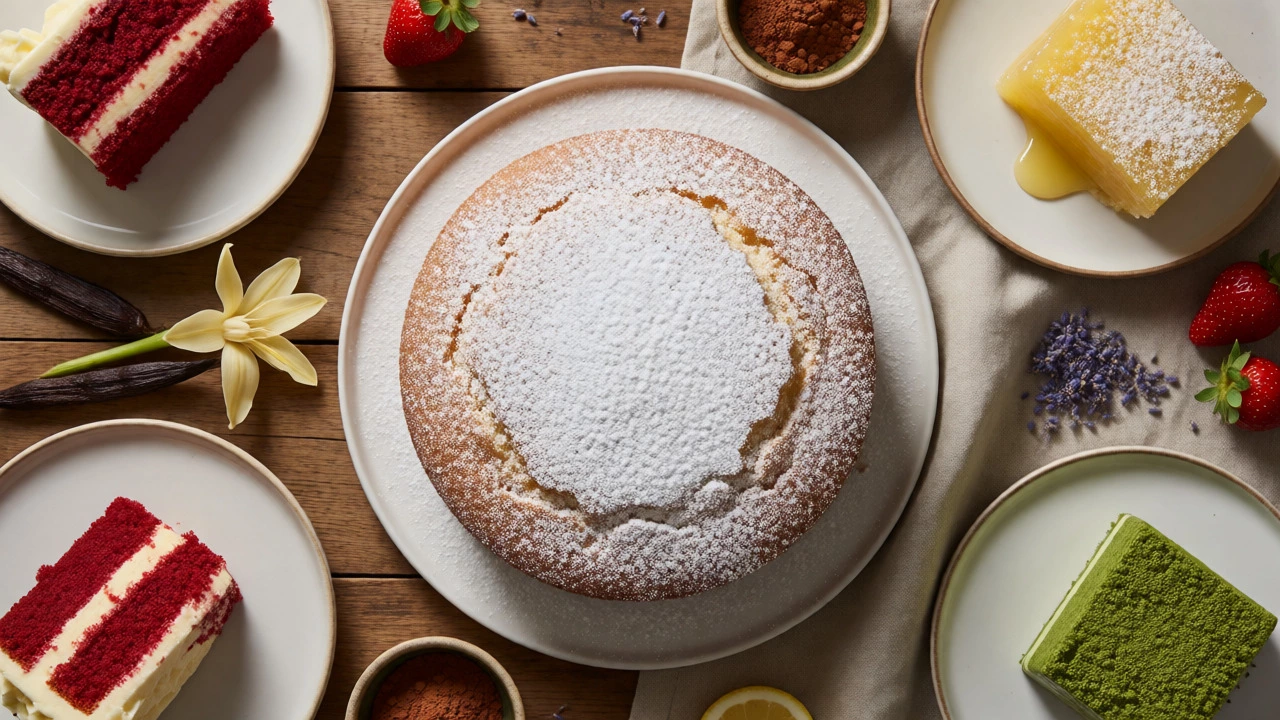
Just because vanilla is number one doesn’t mean the landscape is static. Consumers are increasingly adventurous. Search trends show a rise in interest for unique flavours:
- Lavender and Honey: Popular in boutique bakeries for their floral notes.
- Matcha: Green tea cakes are gaining traction among health-conscious consumers.
- Salted Caramel: Bridges the gap between sweet and savoury, appealing to adults.
- Earl Grey: Infused cakes offer a sophisticated twist on the classic sponge.
These flavours rarely challenge vanilla’s top spot because they lack universal appeal. They are polarizing. You either love lavender or you think it tastes like soap. Vanilla is safe. In a world full of choices, safety sells.
How to Make Your Number One Flavour Stand Out
If you’re baking a vanilla cake, don’t settle for imitation essence. Here’s how to elevate the champion:
- Use Real Beans: Scrape the seeds from a Madagascar Bourbon vanilla pod. The visual specks signal quality, and the flavour depth is unmatched.
- Brown Butter: Replace half the butter with browned butter. It adds a nutty complexity that complements vanilla perfectly.
- Salt Balance: Never forget salt. It enhances sweetness and rounds out the vanilla profile.
For chocolate lovers wanting to compete with vanilla’s consistency:
- Quality Cocoa: Use Dutch-processed cocoa for a darker, smoother taste.
- Coffee Boost: Add a shot of espresso to your batter. It intensifies the chocolate flavour without making it taste like coffee.
- Mix Textures: Combine fudge frosting with ganache filling for varying mouthfeels.
Final Verdict: It Depends on the Occasion
So, which is the No. 1 flavour cake? Statistically and practically, vanilla takes the gold medal. It is the most sold, most versatile, and most universally accepted option. It works for weddings, funerals, birthdays, and Tuesday afternoon snacks.
But don’t discount chocolate. It holds the title for emotional impact and indulgence. If you’re looking for a crowd-pleaser that guarantees smiles, chocolate is hard to beat. The key is understanding your audience. Serving kids? Go chocolate. Hosting a formal dinner? Go vanilla. Want to impress with minimal effort? Go vanilla bean.
Ultimately, the "best" cake is the one that matches the moment. But if you have to bet on which flavour will sell the most slices over the next decade, put your money on the humble vanilla bean.
Is vanilla really the most popular cake flavour?
Yes, according to global market research and bakery sales data, vanilla consistently ranks first in terms of total units sold. Its versatility and broad appeal make it the default choice for many occasions, from weddings to everyday treats.
Why do people prefer chocolate cake over vanilla?
People often choose chocolate for its rich, intense flavour and comforting properties. Chocolate contains compounds that trigger pleasure centers in the brain, making it feel more indulgent and rewarding than lighter flavours like vanilla or lemon.
What is the second most popular cake flavour?
Chocolate is widely considered the second most popular cake flavour globally. While it trails vanilla in overall sales volume due to vanilla's use as a base for many other desserts, it remains the top choice for those seeking a decadent, rich dessert experience.
Are there regional differences in favourite cake flavours?
Yes. For example, Red Velvet is particularly popular in the Southern United States, while Lemon drizzle cakes are favored in the UK for afternoon tea. In Asia, Matcha and Strawberry shortcakes have seen rising popularity, though vanilla remains the foundational sponge for many of these desserts.
How can I make my vanilla cake taste better?
To upgrade a vanilla cake, use real vanilla beans instead of extract, incorporate browned butter for a nutty depth, and ensure you balance the sweetness with adequate salt. High-quality ingredients significantly enhance the subtle nuances of vanilla flavour.



Write a comment