

Gluten-Free Cake Success Calculator
Enter your recipe details to calculate the perfect amount of binder and receive specific troubleshooting advice.
You mix the batter, it looks perfect, and you slide the pan into the oven with high hopes. Then comes the letdown: a dry, crumbly mess that falls apart when you try to slice it. If this sounds familiar, you aren't alone. Gluten-free baking is a method of cooking without wheat, barley, or rye proteins, requiring specific adjustments for texture and structure. Unlike traditional baking, where gluten acts as an elastic net holding everything together, gluten-free flours lack that natural binder. This means you can't just swap cup-for-cup and expect magic. You need to hack the chemistry.
The biggest mistake people make is treating gluten-free flour like regular all-purpose flour. It isn't. Regular flour absorbs liquid differently and behaves completely differently under heat. To get a cake that actually holds its shape and tastes moist, you have to understand what's missing and how to replace it. Let's break down the real tricks that separate disaster from dessert.
Stop Using Single-Flour Substitutions
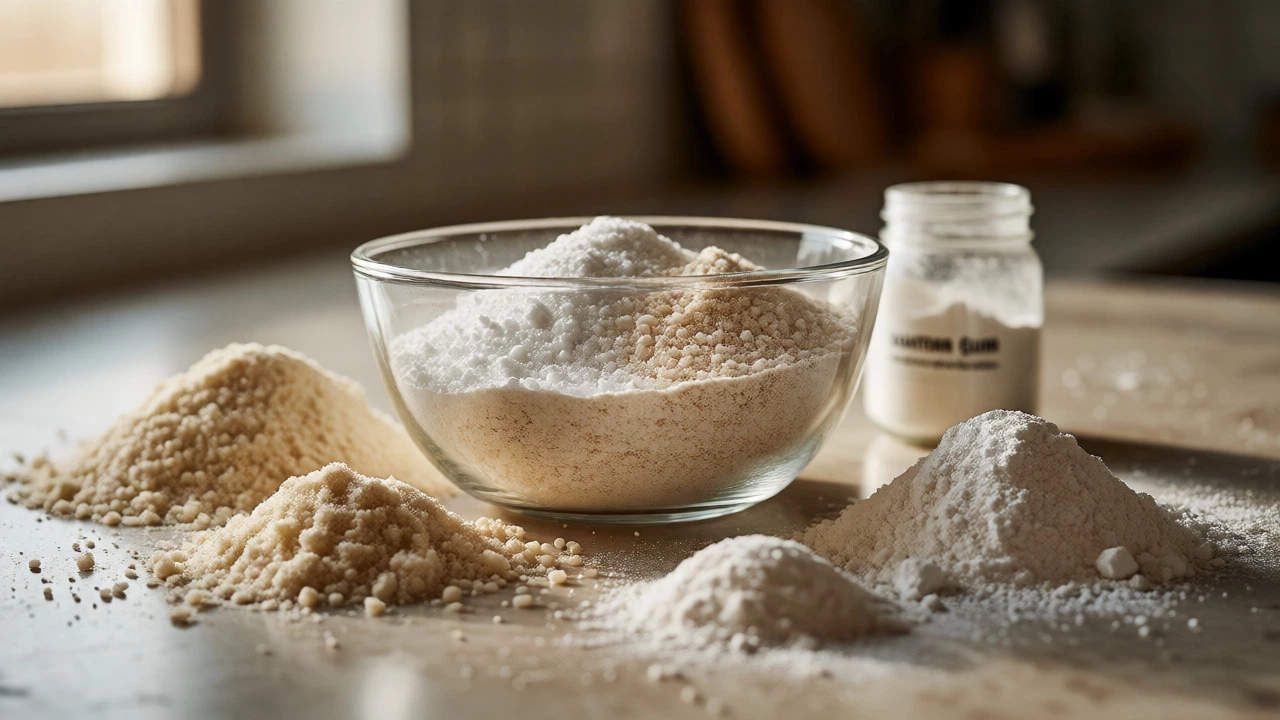
If you are using only rice flour or only almond flour, you are setting yourself up for failure. Single flours rarely have the right balance of starches and proteins to mimic wheat. The trick here is blending. You need a mix of heavy and light flours to create a neutral flavor and the right density.
Most successful home bakers rely on pre-mixed blends or DIY combinations. A common ratio involves combining a starch (like tapioca or potato starch) with a heavier grain flour (like brown rice or sorghum). Why? Starches provide chewiness and help bind the moisture, while grain flours add structure and nutrition. If you use too much starch, your cake becomes gummy. Too much grain flour, and it turns gritty or sandy.
| Flour Type | Role in Cake | Best Paired With | Risk if Overused |
|---|---|---|---|
| Tapioca Starch | Adds chewiness and crispness | Rice Flour | Gummy texture |
| Potato Starch | Moisture retention and softness | Sorghum Flour | Dense, heavy crumb |
| Almond Flour | Fat content and nutty flavor | Eggs | Oily or greasy mouthfeel |
| Brown Rice Flour | Structure and fiber | Tapioca Starch | Gritty or sandy texture |
In Auckland, where I live, we have access to great local brands, but the principle remains universal: variety is key. Don't be afraid to experiment with blends, but start with a trusted recipe before winging it.
Xanthan Gum Is Your Structural Safety Net
Since you removed the gluten, you need a substitute binder. Enter Xanthan Gum. This polysaccharide produced by bacterial fermentation acts as a thickener and stabilizer in gluten-free recipes. It mimics the elasticity of gluten, trapping air bubbles during mixing and keeping the cake structure intact as it cools.
Here is the catch: more is not better. If you add too much xanthan gum, your cake will feel slimy or rubbery in the mouth. For most standard cake recipes, a good rule of thumb is about 1/4 teaspoon per cup of flour blend. Some commercial mixes already include xanthan gum-check the label! If you are making your own blend, you must add it separately.
Psyllium husk is another option, especially for those who want to avoid gums. It works similarly by absorbing water and creating a gel-like consistency. However, psyllium can turn baked goods slightly purple or gray if mixed with acidic ingredients like lemon juice or blueberries. Xanthan gum is generally safer for light-colored cakes.
Hydration Levels Are Higher Than You Think
Gluten-free flours are thirsty. They absorb significantly more liquid than wheat flour because they lack the protein network that usually holds water loosely. If you follow a standard wheat-flour recipe and just swap the flour, your batter will likely look thick and pasty. That is a red flag.
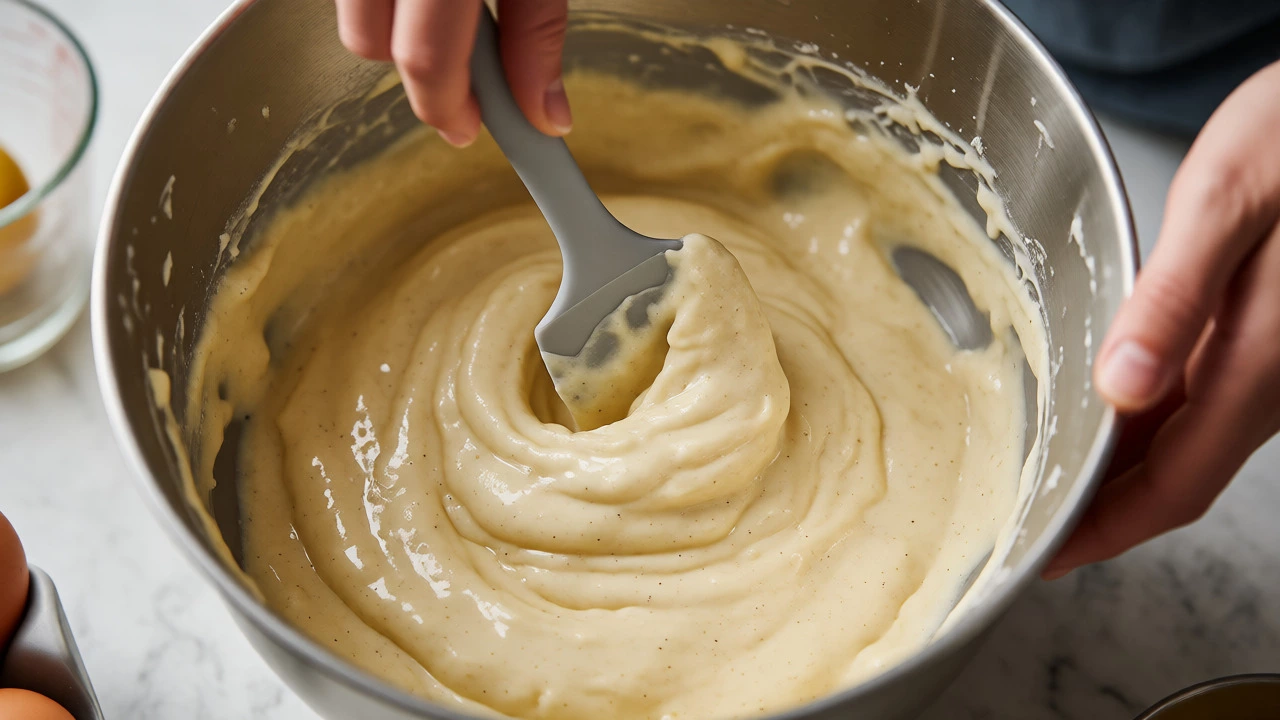
The trick? Add extra liquid. Depending on the flour blend, you might need to increase milk, oil, or eggs by 10-20%. The batter should look slightly looser than traditional cake batter-almost like thick pancake batter. If it stands stiffly on a spoon, it needs more moisture. Remember, gluten-free cakes continue to absorb moisture as they cool. Starting with a wetter batter ensures the final product stays moist rather than turning into a brick.
- Test the batter: Drop a spoonful onto parchment paper. It should spread slightly, not hold a rigid mound.
- Rest the batter: Let the mixed batter sit for 15-30 minutes before baking. This allows the starches to fully hydrate, reducing grittiness.
- Adjust gradually: Add liquid one tablespoon at a time until you reach the desired consistency.
Don't Overmix, But Do Mix Thoroughly
This sounds contradictory, but hear me out. In wheat baking, overmixing develops gluten, leading to tough cakes. In gluten-free baking, there is no gluten to develop, so you don't have that risk. However, you still need to ensure even distribution of ingredients.
The issue arises with air incorporation. Wheat flour traps air easily through gluten strands. Gluten-free batters rely on chemical leaveners (baking powder/soda) and mechanical aeration (whipping eggs/butter) for lift. If you beat the batter too aggressively after adding flour, you might deflate the air bubbles you carefully whipped into your butter and sugar mixture earlier.
Mix just until combined. Scrape the sides of the bowl often to ensure no dry pockets remain. Dry pockets lead to uneven rising and weird spots in the final cake. Use a spatula for the final folds-it gives you better control than a mixer.
Temperature Control and Cooling Patience
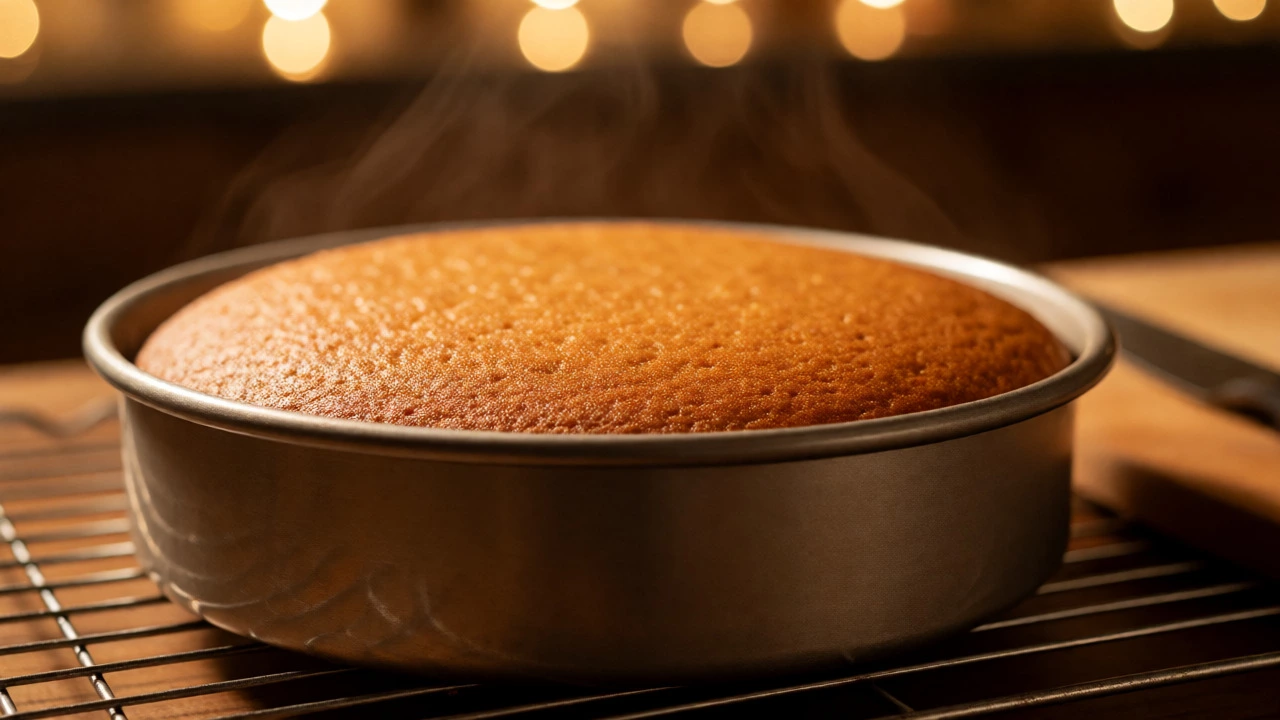
Gluten-free cakes are fragile. Their structure is weaker than wheat-based counterparts, especially when warm. Pulling them out of the oven and immediately flipping them onto a rack can cause collapse or crumbling.
Let the cake cool in the pan for at least 15-20 minutes. This allows the starches to set and firm up. After that, gently run a knife around the edges and invert it onto a cooling rack. Do not attempt to frost a warm gluten-free cake; it will melt the frosting and tear the surface. Wait until it is completely cool to the touch.
Oven temperature matters too. Gluten-free batters often benefit from a slightly lower temperature (around 160°C / 325°F) compared to standard cakes (180°C / 350°F). This slower bake helps the center cook evenly without drying out the edges. Every oven is different, so keep an eye on the spring test-if the top springs back when lightly touched, it is done.
Flavor Masking and Enhancements
Some gluten-free flours, particularly bean-based ones or certain rice blends, can have a distinct aftertaste. Vanilla extract is your best friend here, but don't stop there. Citrus zest, almond extract, or strong spices like cinnamon and ginger can mask any lingering "off" flavors.
Fats also play a huge role. Butter adds richness that helps hide the blandness of some starches. If you are dairy-free, coconut oil or avocado oil can work, but ensure they are refined if you don't want their specific flavors dominating the cake. Adding an extra egg yolk can also boost richness and emulsification, helping the cake stay tender.
Why is my gluten-free cake gummy?
Gumminess usually results from using too much starch (like tapioca or potato starch) relative to grain flours, or insufficient baking time. Ensure you are following a balanced blend ratio and check for doneness with a toothpick. Also, verify you haven't added excess xanthan gum, which can create a slimy texture.
Can I use all-purpose gluten-free flour directly?
Yes, many modern "measure-for-measure" or "1-to-1" gluten-free flours are formulated to replace all-purpose flour directly. These blends already contain xanthan gum and balanced starches. However, always check the packaging instructions, as some may require slight adjustments in liquid or baking time.
How do I prevent my gluten-free cake from falling?
Prevent collapsing by ensuring proper hydration and structural support. Use enough binding agents like xanthan gum or eggs. Avoid opening the oven door during the first 75% of baking time, as sudden temperature drops can cause the delicate structure to sink. Let the cake cool in the pan for 15-20 minutes before removing.
Is almond flour the same as almond meal?
No. Almond flour is made from blanched almonds (skins removed), resulting in a fine, light powder suitable for delicate cakes. Almond meal includes the skins, making it coarser and darker. Using almond meal in place of almond flour can result in a denser, grainier texture unless the recipe specifically calls for it.
Do I need to rest gluten-free batter?
Yes, resting the batter for 15-30 minutes allows the rice and other grain flours to fully absorb the liquid. This reduces grittiness and improves the overall texture of the baked cake. It also helps prevent cracking during baking.





Write a comment