Fluffy Cookies: What Makes Them Light, Airy, and Perfectly Soft
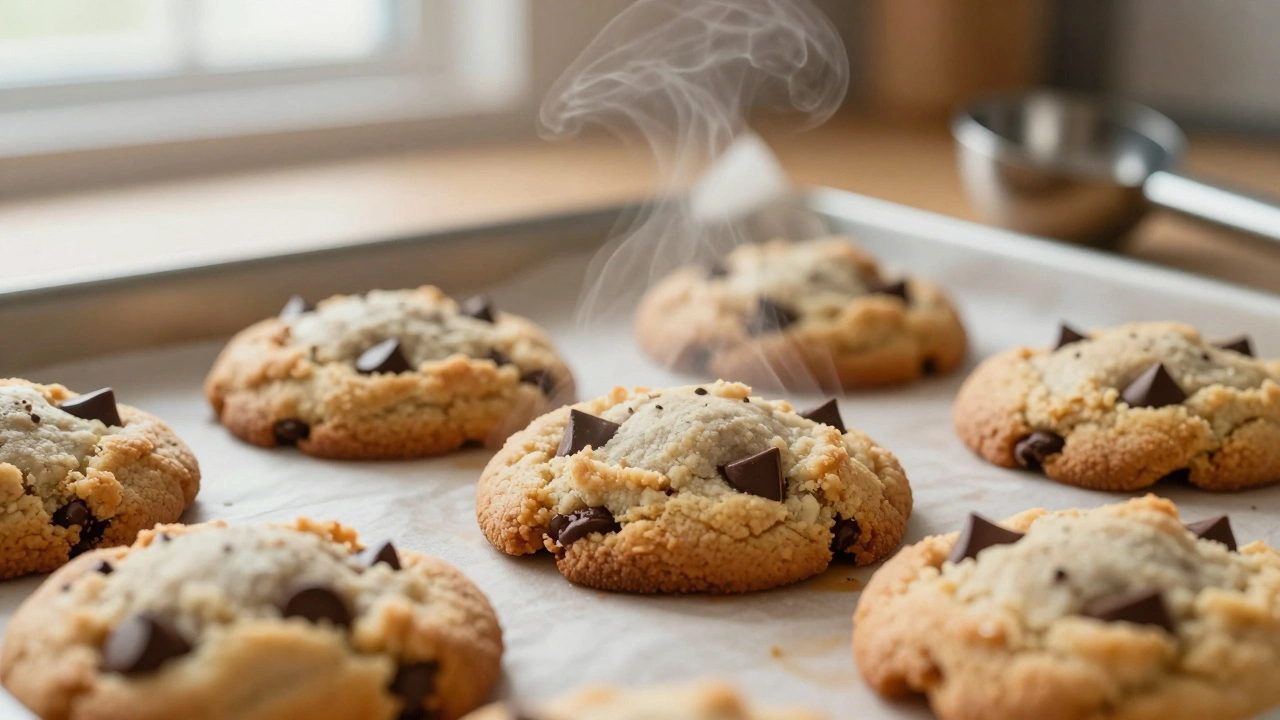
When you bite into a fluffy cookie, a soft, airy baked treat that rises slightly and stays tender inside. Also known as cloud cookies or cake-like cookies, they’re the opposite of crisp or chewy—think melt-in-your-mouth, not crunch. They’re not just a texture preference; they’re the result of specific science in the kitchen. You can’t just swap ingredients and expect the same result. The difference between a flat, dense cookie and a pillowy one comes down to how air gets trapped, how sugar melts, and how flour hydrates.
The secret to fluffy cookies, a type of baked good that relies on leavening agents and gentle mixing to maintain volume isn’t butter temperature alone—it’s the whole system. Butter that’s too soft collapses structure. Too cold, and it won’t cream properly with sugar to create those tiny air pockets. Then there’s baking soda, a chemical leavening agent that reacts with acids to produce carbon dioxide, helping cookies rise. It needs an acid like brown sugar, yogurt, or vinegar to activate. Without it, your cookie stays flat. And egg whites, the protein-rich part of the egg that traps air when whipped—adding just one extra white can lift the whole batch. Most recipes skip this, but pros use it to get that lift without making the cookie eggy.
Flour matters too. Cake flour has less protein than all-purpose, so it creates less gluten. Less gluten means less chew, more softness. And don’t overmix. Stirring past the point where dry ingredients disappear builds gluten and flattens your cookies. Even the pan you use changes the outcome. Dark pans absorb more heat and bake faster, sometimes burning the bottom before the center fluffs up. Light aluminum pans? They’re the quiet heroes of fluffy cookies.
Temperature control is just as important. If your oven runs hot, the outside sets before the inside expands. Preheating properly isn’t optional—it’s the foundation. And cooling on the pan for a full five minutes after baking lets residual heat finish the rise without over-browning. Skip that step, and you lose that delicate lift.
What you’ll find in the posts below aren’t just recipes. They’re breakdowns of why your last batch failed, what changed when you swapped butter for coconut oil, how humidity affects dough, and why some people swear by chilling for 48 hours. You’ll see real tests: one baker tried 12 versions of the same cookie, measuring every gram, timing every second. The results? Some surprises. A pinch of cornstarch made cookies fluffier than extra baking powder. A splash of milk instead of water kept them soft for days. And yes—there’s a reason your grandma’s recipe never called for vanilla extract. It’s not tradition. It’s science.