

Gluten-Free Grain Substitute Finder
How it works: Select the ingredient you are currently considering or the specific "mouthfeel" you want to achieve, and we will tell you if it's safe and how to use it as a bulgur alternative.
Select a Grain/Ingredient:
Key Takeaways for Your Kitchen
- Bulgur is NOT gluten-free; it is a wheat product.
- It contains gluten proteins that trigger autoimmune responses in celiac patients.
- Processed bulgur is not "gluten-removed" through parboiling.
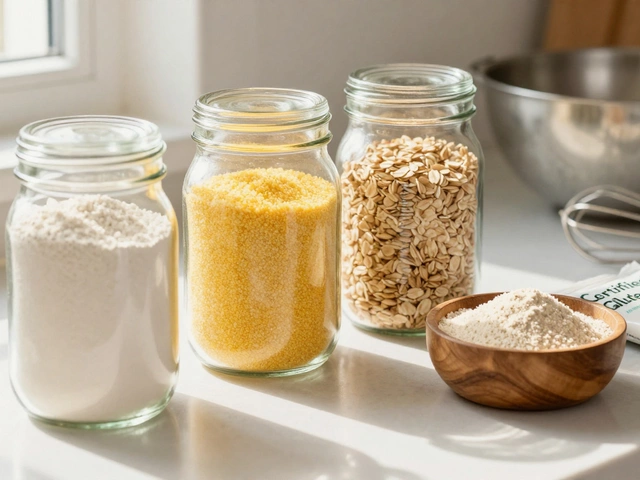
- Safe alternatives include quinoa, buckwheat, or certified gluten-free oats.
Why the Confusion Happens with Bulgur
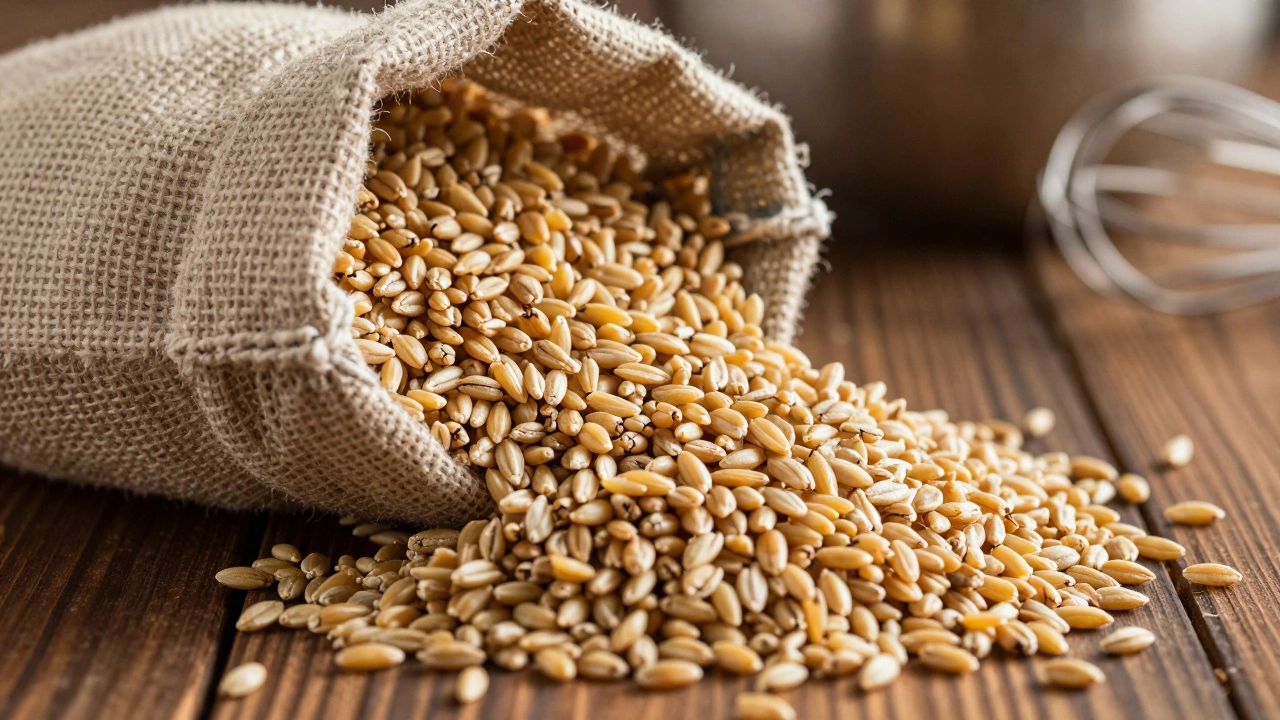
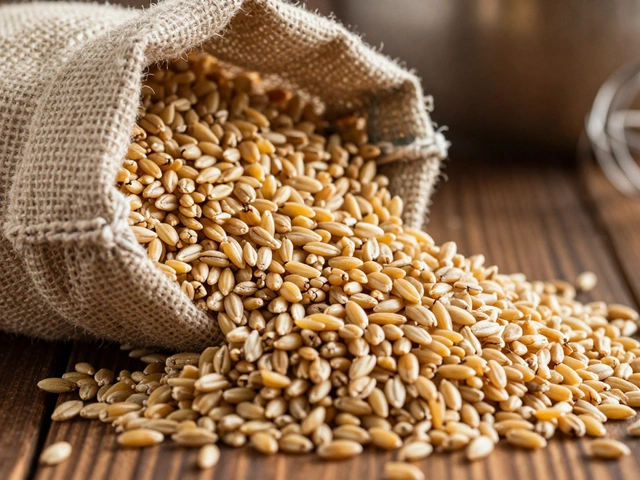
You might see bulgur listed in health food stores next to gluten-free grains like millet or amaranth. Because it's a whole grain and often used in salads (like tabbouleh) and healthy bowls, some people assume "whole grain" equals "gluten-free." It doesn't. The process of making bulgur involves soaking green wheat berries, steaming them, and then drying them in the sun. While this changes the texture and cooking time, it doesn't remove the gluten proteins locked inside the grain.
Another point of confusion is the term "ancient grains." People often group bulgur with things like teff or sorghum. While those are gluten-free, bulgur is just a processed version of modern wheat. If you are baking bulgur wheat gluten-free cakes, you'll quickly realize that's an impossible task because the core ingredient is the problem. You cannot "neutralize" the gluten in bulgur with heat or acid; it simply stays there.
The Science of Gluten in Wheat Grains
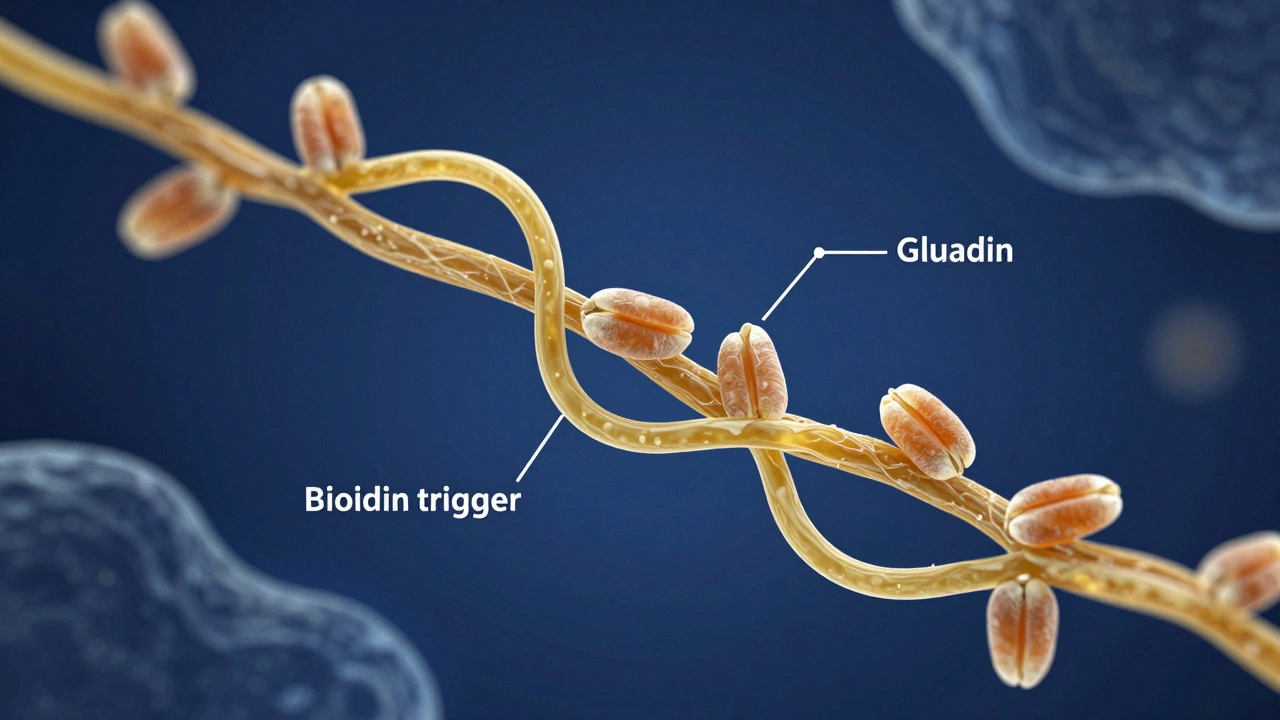
To understand why bulgur is a no-go, we have to look at what gluten actually is. Gluten isn't a single thing, but a group of proteins-primarily Gliadin and Glutenin. These proteins act like a glue, giving bread its chewiness and cakes their structure. In a healthy gut, these proteins are broken down. But for someone with celiac disease, the immune system attacks the lining of the small intestine when these proteins are detected.
Bulgur is concentrated. Because the grains are cracked, they have a high surface area, but the protein structure remains intact. Even a small amount of bulgur flour in a cake recipe can cause significant inflammation for a sensitive person. This is why "trace amounts" aren't just a suggestion-they are a health risk.
Best Gluten-Free Substitutes for Baking and Cooking
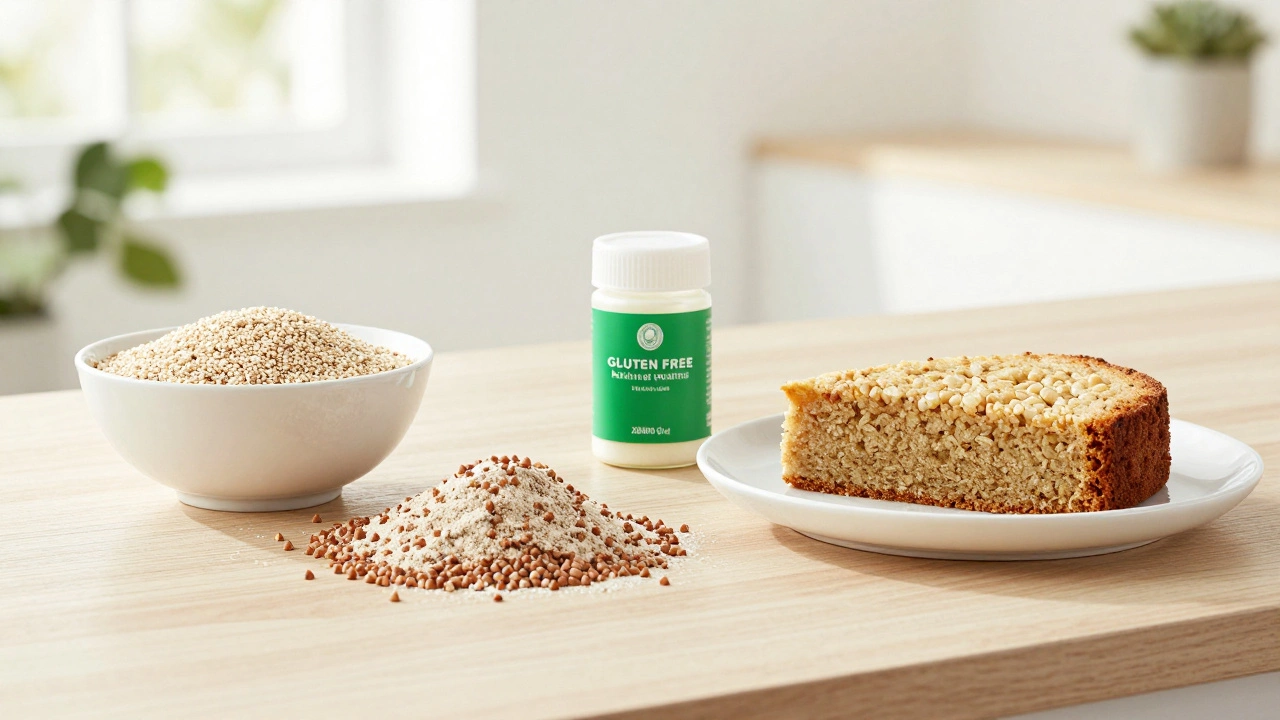
If you were planning to use bulgur for its nutty flavor or chewy texture, you have plenty of options that won't make you sick. The goal is to match the "mouthfeel" of the grain. For instance, if you want that slight resistance when you bite, Quinoa is your best bet. It's a pseudo-cereal that provides a similar protein punch and a nutty taste.
For baking, where you need a flour-like consistency, Buckwheat is a fantastic choice. Despite the name, buckwheat is not wheat; it's a seed. It's naturally gluten-free and has an earthy, robust flavor that works well in cakes and muffins. If you need something more neutral, almond flour or a blend of rice and potato starches can mimic the structural properties of wheat without the biological trigger.
| Grain/Substitute | Gluten Status | Texture Profile | Best Use Case |
|---|---|---|---|
| Bulgur Wheat | Contains Gluten | Chewy, Nutty | Tabbouleh, Pilafs |
| Quinoa | Gluten-Free | Fluffy, Nutty | Salads, Healthy Bowls |
| Buckwheat | Gluten-Free | Dense, Earthy | Pancakes, Cakes |
| Sorghum | Gluten-Free | Grainy, Sweet | Gluten-free Breads |
| Millet | Gluten-Free | Soft, Mild | Porridges, Flour |
Hidden Risks: Cross-Contamination
Even if you swap bulgur for a gluten-free grain, you have to watch out for where those grains are processed. Many facilities that produce Quinoa or oats also process wheat and bulgur on the same machinery. This is where "certified gluten-free" labels become critical. A grain might be naturally gluten-free, but if it's packed in a facility that handles bulgur, it can be contaminated with enough protein to trigger a reaction.
When shopping for cake ingredients, check for the GFCO (Gluten-Free Certification Organization) seal. This ensures the product has been tested to contain less than 10 parts per million (ppm) of gluten. For most people with celiac disease, this is the only safe threshold. If a label says "made from gluten-free ingredients" but doesn't certify the processing plant, you're taking a gamble.
Adapting Your Recipes for a Gluten-Free Kitchen
If you have a favorite recipe that calls for bulgur-perhaps a rustic cake or a hearty breakfast loaf-you can't just swap it 1:1. Bulgur absorbs water differently than gluten-free alternatives. For example, quinoa absorbs more liquid and cooks faster. If you replace bulgur with quinoa, you might need to increase your water or milk ratio slightly to avoid a dry result.
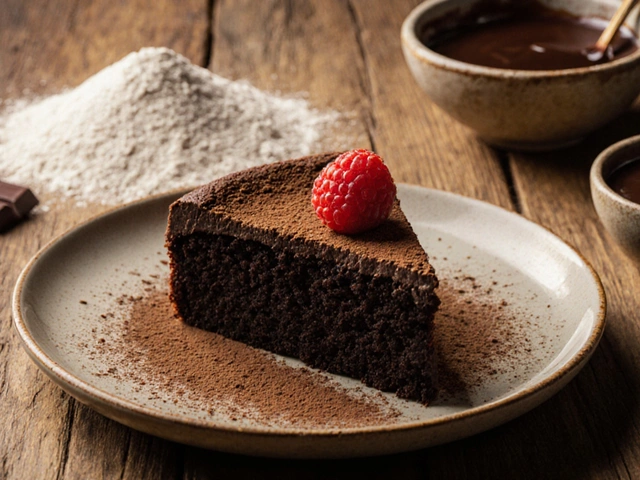
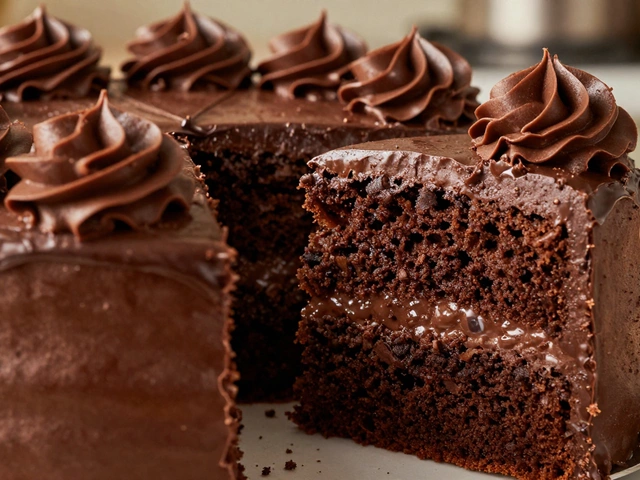
In the case of baking cakes, using a combination of flours is the secret. Since you're losing the "stretch" provided by the gluten in bulgur, you need a binder. Xanthan Gum is a common additive that mimics that elasticity. Adding just half a teaspoon can stop your gluten-free cake from crumbling into a pile of dust the moment you slice it. Another pro tip is to use apple sauce or mashed bananas; these add moisture and act as natural binders that complement the nuttiness of gluten-free grains.
Common Mistakes When Avoiding Gluten
Many people fall into the trap of thinking that "whole wheat" or "sprouted grains" are safer. In reality, sprouting wheat doesn't remove the gluten; it just makes the grain easier to digest for some. Similarly, some believe that since bulgur is "cracked," the gluten is broken. This is a myth. The proteins are still there, and your immune system will find them.
Another mistake is relying on "low gluten" products. There is no such thing as "a little bit of gluten" for someone with celiac disease. Even a crumb of bulgur-based bread or a sprinkle of bulgur in a salad can cause intestinal damage that takes weeks or months to heal. If the ingredient list mentions wheat, spelt, kamut, or bulgur, put it back on the shelf.
Can I eat bulgur if I have a mild wheat allergy?
If you have a diagnosed wheat allergy or gluten sensitivity, bulgur is not safe. It is a processed wheat product and contains the same allergenic proteins as standard wheat flour. Always consult with your doctor before trying any wheat-based grain.
Does soaking bulgur make it gluten-free?
No, soaking, boiling, or steaming bulgur does not remove gluten. Gluten is a protein bound within the structure of the grain. While some processing can change the digestibility, the gluten proteins remain present and active.
What is the closest taste alternative to bulgur?
Quinoa is the closest match in terms of texture and flavor. For a more earthy and hearty taste similar to bulgur in savory dishes, try buckwheat groats or sorghum.
Is bulgur flour safe for gluten-free cakes?
Absolutely not. Bulgur flour is simply ground bulgur wheat. It contains high levels of gluten and will cause a reaction in anyone following a gluten-free diet.
How do I identify bulgur on a food label?
Look for terms like "bulgur," "cracked wheat," "wheat berries," or "pilaf grain." Since it is a wheat product, it must be listed as such under allergen labeling laws in most countries.
Final Steps for a Gluten-Free Pantry
If you're transitioning to a gluten-free kitchen, start by auditing your grains. Toss out anything that contains wheat, barley, or rye. Replace your bulgur with a variety of pseudo-grains like quinoa and amaranth to keep your meals interesting. When baking cakes, experiment with different flour blends-mixing a grain-based flour (like rice) with a nut-based flour (like almond) usually gives the best result for texture and flavor.
Don't forget to clean your equipment. If you've used a wooden cutting board or a porous plastic bowl for bulgur in the past, they can harbor gluten particles. When in doubt, buy new baking pans or use parchment paper to ensure your gluten-free cakes remain completely uncontaminated. A few simple changes in your shopping and prep habits will make your kitchen a safe space for everyone, regardless of their dietary restrictions.




Write a comment