

Gluten-Free Cake Success Calculator
Enter your recipe details below to get precise recommendations for leavening and binders, helping you avoid dense or gummy cakes.
Recipe Inputs
Recommended Adjustments
Why this matters?
- Extra Lift: GF batters are heavier; standard leavening often fails to lift them.
- Binder Balance: Too little gum = crumbly; too much = gummy/slimy.
- Freshness Check: Always test old baking powder in hot water before use.
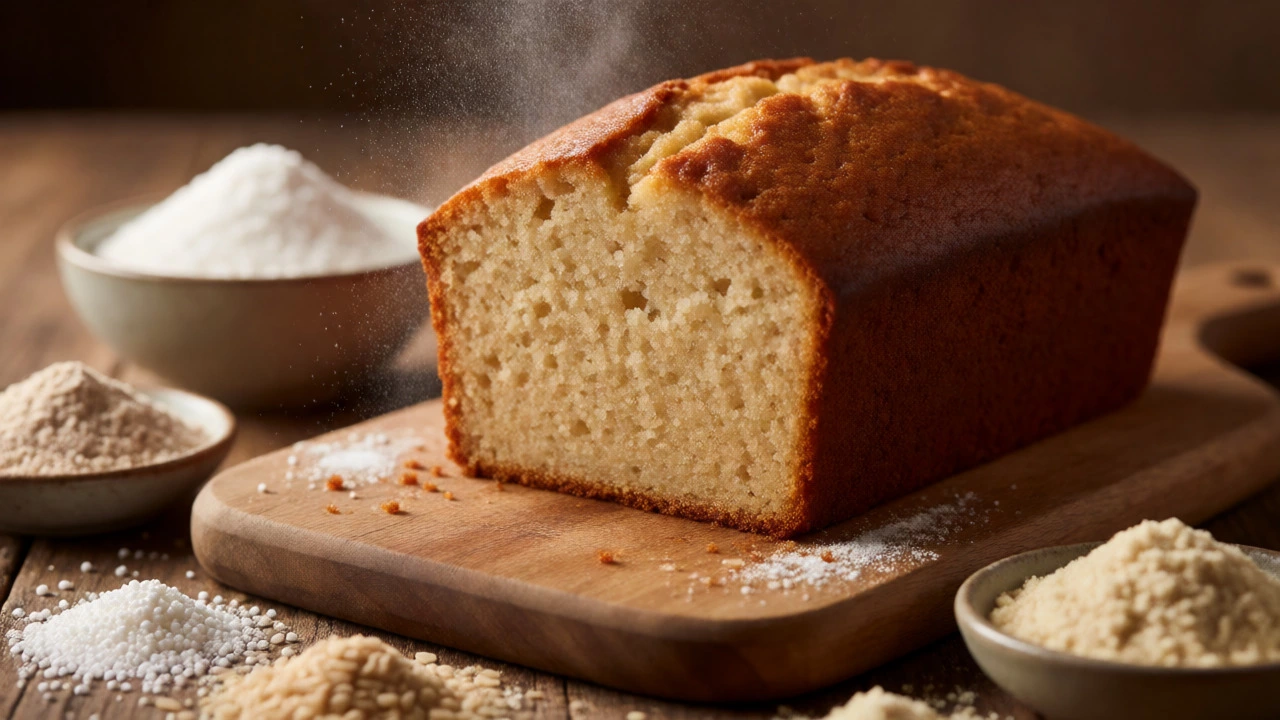
You pull a golden-brown cake from the oven, slice into it, and your heart sinks. It’s dense. Gummy. More like a brick than a cloud. If you’ve ever baked with gluten-free flour, a blend of starches and grains like rice, almond, or tapioca that lacks the structural protein gluten, you know this pain. Regular wheat flour builds an elastic web that traps air bubbles, letting cakes expand. Gluten-free flours don’t do that. They need help.
The good news? You can fix this. Getting gluten-free cakes to rise isn’t about luck; it’s about chemistry and technique. Once you understand why they fail, you can force them to succeed. Here is how to stop guessing and start baking light, fluffy GF cakes every time.
Why Gluten-Free Cakes Struggle to Rise
To fix the problem, you have to respect the physics. In traditional baking, when you mix water and wheat flour, two proteins-gliadin and glutenin-link up to form gluten. This network stretches as gases from baking powder or yeast expand. It holds the structure until the heat sets the starches and proteins.
Gluten-free flours lack these proteins. Instead, they rely on starches (like cornstarch or potato starch) and gums. Without a strong binder, gas bubbles escape easily. The batter spreads instead of lifting. Worse, many GF flours absorb moisture differently, leading to a heavy, wet crumb that collapses under its own weight. Your goal is to replace that missing elasticity and trap those bubbles effectively.
Master Your Flour Blend
Using a single grain flour, like just almond or just coconut, rarely works for rising cakes. Almond flour is high in fat and low in starch; it doesn’t provide structure. Coconut flour absorbs massive amounts of liquid and can make cakes dry and crumbly if not balanced correctly.
You need a balanced blend. Look for mixes that combine:
- Starches: Tapioca starch, potato starch, or cornstarch. These provide lightness and chew.
- Protein-rich flours: Sorghum, millet, or oat flour (certified GF). These add body and flavor.
- Nut flours: Often used for richness, but usually only 10-20% of the total volume.
A common rule of thumb is a 70/30 ratio: 70% starches to 30% heavier flours. This balance helps mimic the texture of wheat flour. If you are mixing your own, keep a scale handy. Volume measurements vary wildly between brands. Precision matters here more than in wheat baking.
The Secret Weapon: Hydrocolloids
If there is one ingredient that saves gluten-free baking, it’s hydrocolloids. These are thickening agents that act as binders. They create the sticky, elastic network that gluten normally provides.
The most common options are xanthan gum and guar gum. Xanthan gum is produced by fermenting sugars with bacteria, while guar gum comes from ground guar beans. Both work similarly in small amounts, but xanthan tends to be more effective for yeasted doughs, while guar is often cheaper and better for quick breads.
How much do you use? Too little, and the cake crumbles. Too much, and it becomes gummy or slimy. Start with 1 teaspoon per cup of flour blend. For denser cakes, you might go up to 1.5 teaspoons. Always whisk the gum into the dry ingredients thoroughly before adding liquids. If you skip this step, you’ll get lumpy pockets of gel in your batter.
| Ingredient | Best For | Typical Ratio | Taste Profile |
|---|---|---|---|
| Xanthan Gum | Yeast breads, airy cakes | 1 tsp per cup | Neutral |
| Guar Gum | Quick breads, muffins | 1.5 tsp per cup | Slightly bean-like |
| Psyllium Husk | Dense loaves, fiber boost | 1 tbsp per cup | Mild, earthy |

Boost Your Leavening Agents
Because gluten-free batters are heavier and less elastic, standard amounts of baking powder often aren’t enough. You need extra lift to push through the density of the starches.
Increase your leavening by 25-50%. If a recipe calls for 1 teaspoon of baking powder, use 1.5 teaspoons. But don’t just dump in more powder without checking freshness. Baking powder loses potency after six months of opening. Test it: drop half a teaspoon into hot water. If it doesn’t fizz vigorously within seconds, toss it.
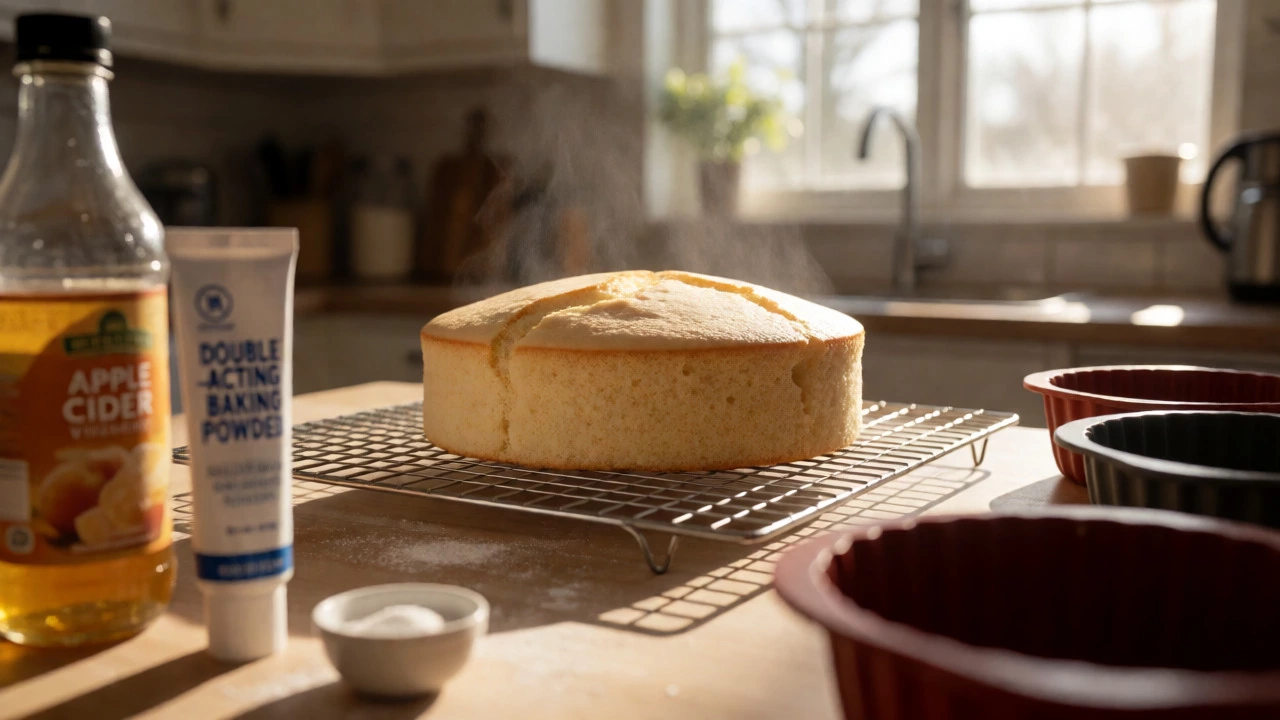
Consider using double-acting baking powder. It releases some gas when mixed with wet ingredients and more when heated in the oven. This two-stage reaction helps sustain the rise during the critical early minutes of baking when the structure hasn’t set yet.
Egg Power and Air Incorporation
Eggs are structural powerhouses in gluten-free baking. The whites provide foam; the yolks provide emulsification. Don’t skimp on them.
For the best rise, separate your eggs. Whip the whites separately until stiff peaks form, then gently fold them into the batter at the very end. This incorporates trapped air directly into the structure. If you mix whole eggs directly into the batter, you lose some of that mechanical lift.
Room temperature ingredients matter too. Cold eggs don’t whip as well, and cold butter doesn’t cream properly with sugar. Creaming butter and sugar together creates tiny air pockets. Since you can’t rely on gluten to hold these pockets, you must create them mechanically. Beat the butter and sugar for a full 3-5 minutes until pale and fluffy. This step is non-negotiable for light cakes.
Baking Temperature and Pan Prep
Gluten-free cakes bake differently. Because they lack the stretchy resistance of gluten, they can spread excessively if the oven isn’t hot enough initially. Preheat your oven fully. Do not open the door during the first 20 minutes. Sudden temperature drops cause the delicate air bubbles to collapse.
Pan preparation is also crucial. Grease your pans generously with butter or oil, then dust with gluten-free flour or cocoa powder (for chocolate cakes). Avoid using cooking sprays with lecithin if possible, as they can sometimes leave a sticky residue that interferes with release. Silicone molds work exceptionally well for GF cakes because they conduct heat evenly and don’t require greasing, reducing the risk of sticking.
If your cake domes too high and cracks, lower your oven temperature by 25°F (about 15°C) next time. This allows the center to cook more slowly, preventing the outside from setting before the inside has finished rising.
Resting and Storage
Here is a counter-intuitive tip: let your gluten-free cake cool completely before slicing. Unlike wheat cakes, which can be sliced warm, GF cakes continue to set as they cool. The starches retrograde slightly, firming up the crumb. Cutting into a warm GF cake often results in a gummy, crumbling mess.
Storage affects texture, too. Gluten-free baked goods dry out faster than their wheat counterparts. Wrap cooled cakes tightly in plastic wrap, then foil. Store at room temperature for up to three days. For longer storage, freeze slices individually. Thaw overnight in the fridge or at room temperature for a few hours. Reheating slices briefly in the microwave can restore softness.
Can I substitute all-purpose flour 1:1 with gluten-free flour?
Not exactly. While many commercial blends claim 1:1 substitution, you almost always need to adjust liquid and leavening. Gluten-free flours absorb moisture differently, so you may need to add an extra tablespoon of milk or oil. Also, remember to check if your blend already contains xanthan gum; if it does, do not add more.
Why is my gluten-free cake gummy?
Gummy texture usually comes from too much starch relative to protein, over-mixing the batter, or under-baking. Try reducing starch-heavy flours like tapioca or increasing protein-rich ones like sorghum. Ensure your internal temperature reaches at least 200°F (93°C) to fully cook the starches.
Do I need xanthan gum if I use a pre-made blend?
Check the label. Brands like King Arthur Measure for Measure or Bob’s Red Mill 1-to-1 include xanthan gum. Adding extra will make your cake slimy. If you are making your own blend from individual flours, you must add a binder like xanthan or guar gum.
Can I use vinegar to help my cake rise?
Yes. Acidic ingredients like apple cider vinegar or lemon juice react with baking soda to produce carbon dioxide. This gives an immediate lift. Use 1 teaspoon of vinegar per cup of flour if your recipe includes baking soda. It also tenderizes the crumb.
Why did my gluten-free cake sink in the middle?
Sinking usually means the structure collapsed before it set. Causes include opening the oven door too early, under-baking, or too much leavening agent creating large bubbles that burst. Lower your leavening amount slightly and ensure the cake is fully baked by testing with a toothpick.







Write a comment