

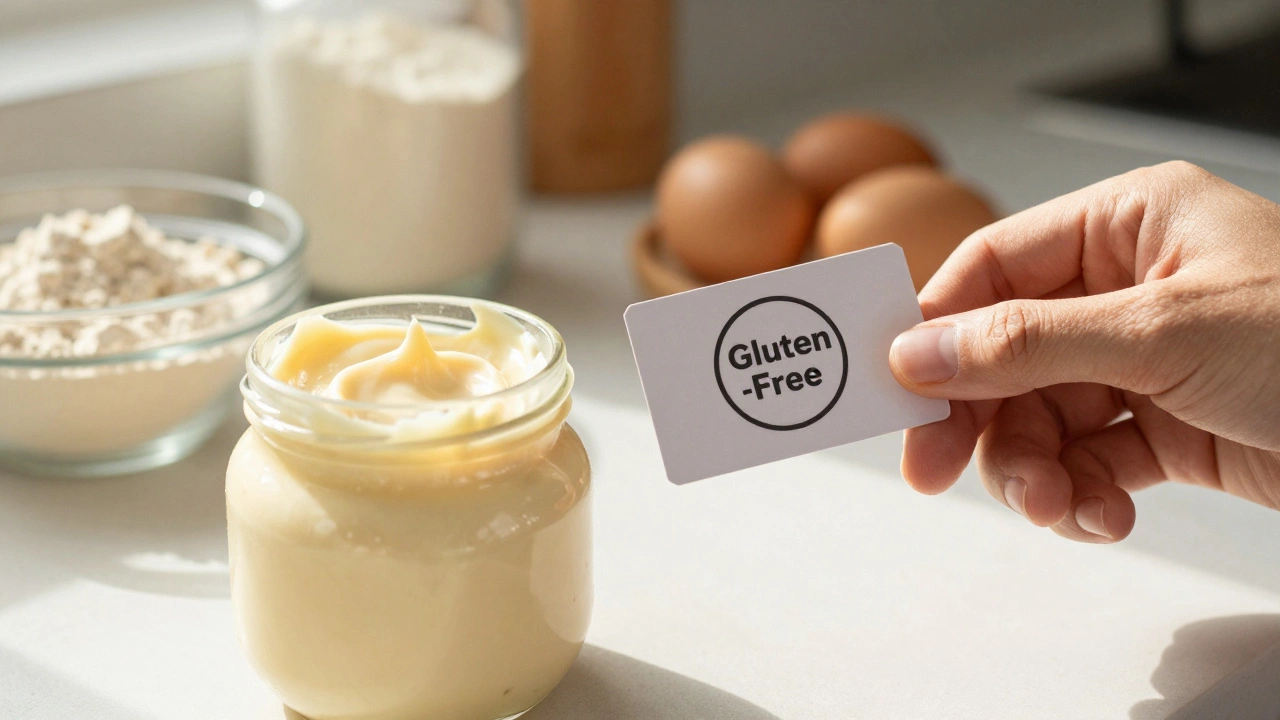
Mayonnaise Gluten Safety Checker
Product Details
Even if ingredients look safe, cross-contamination in shared facilities can be a risk for Celiacs. Always prioritize certified products.
Imagine this: you’ve spent the last two hours perfecting your gluten-free cake batter. You’ve measured the almond flour to the gram, whipped the egg whites until they peaked, and checked the oven temperature twice. You are ready to bake. Then, you reach for the mayonnaise jar to add that extra moisture and richness to the crumb. Your hand freezes. Is it safe?
If you have Celiac disease or a severe gluten sensitivity, that split-second panic is real. Cross-contamination can turn a delicious treat into a health hazard. But here is the good news: in most cases, standard mayonnaise is naturally gluten-free. However, "most" isn't specific enough when your gut health is on the line. We need to look at the ingredients, the manufacturing process, and the subtle traps that hide in plain sight.
The Basic Ingredients of Mayonnaise
To understand if mayonnaise contains gluten, we first need to break down what it actually is. At its core, Mayonnaise is an emulsion of oil, egg yolk, and an acid like vinegar or lemon juice. None of these primary components contain gluten. Eggs come from chickens, oil comes from plants (like soybean, canola, or olive), and vinegar is typically distilled from grain or alcohol.
Distilled vinegar is a key point of confusion. Even if the vinegar starts as barley or wheat, the distillation process removes the gluten proteins. The resulting liquid is chemically pure acetic acid and water, with no gluten traces left behind. So, theoretically, a basic homemade mayo made with olive oil, eggs, and distilled white vinegar is 100% safe for a gluten-free diet.
However, store-bought mayonnaise is rarely just those three ingredients. Manufacturers add stabilizers, preservatives, and flavor enhancers to keep the product shelf-stable and creamy. This is where things get tricky. While the base is safe, the additives might not be.
Hidden Gluten in Commercial Mayonnaise
You might think, "It’s just mayo, how complicated can it be?" But food processing is complex. Here are the common ways gluten sneaks into commercial mayonnaise products:
- Modified Food Starch: This is the biggest red flag. Modified food starch is often derived from corn, but it can also come from wheat. If the label just says "modified food starch" without specifying the source, you cannot assume it is gluten-free. In many regions, if it were corn, the law requires them to say "corn starch." Ambiguity usually means wheat.
- Flavorings and Spices: Some gourmet or spicy mayonnaises use natural flavors or spice blends that might contain maltodextrin or anti-caking agents derived from wheat. Maltodextrin itself is usually gluten-free, but if it’s processed on shared equipment, cross-contact is possible.
- Thickeners: Certain thickeners used to maintain texture during shipping and storage can be wheat-based. Xanthan gum is a popular thickener in gluten-free baking, but some cheaper brands might use wheat starch derivatives instead.
I remember buying a brand of "herb-infused" mayonnaise a few years ago. It tasted incredible, but upon closer inspection of the fine print, I found "wheat flour" listed under the herb seasoning blend. It was a costly lesson in reading labels, not just scanning for the word "gluten."">
Cross-Contamination: The Silent Threat
Even if the ingredients list looks clean, the facility matters. Many large food manufacturers produce both gluten-containing and gluten-free products on the same assembly lines. A factory might make bread crumbs in the morning and mayonnaise in the afternoon. If the machinery isn’t thoroughly cleaned between runs, microscopic amounts of gluten can remain.
For someone with mild sensitivity, this might not cause issues. For someone with Celiac disease, even 20 parts per million (ppm) of gluten can trigger an immune response. That’s less than a single grain of rice spread over a pizza.
This is why looking for a certified "Gluten-Free" label is crucial. A voluntary certification from organizations like the Gluten-Free Certification Organization (GFCO) means the product has been tested and verified to contain less than 10 ppm of gluten. Without that seal, you are relying on the manufacturer’s word, which can vary by region and production batch.
| Type of Mayonnaise | Gluten Risk Level | Key Concerns |
|---|---|---|
| Homemade (Basic) | Very Low | Only if using contaminated ingredients |
| Store-Bought (Standard) | Low to Medium | Modified food starch, shared facilities |
| Gourmet/Herbed | High | Complex spice blends, malt vinegar |
| Certified GF Brand | None | Tested & verified safe |
Why Mayonnaise Matters in Gluten-Free Cakes
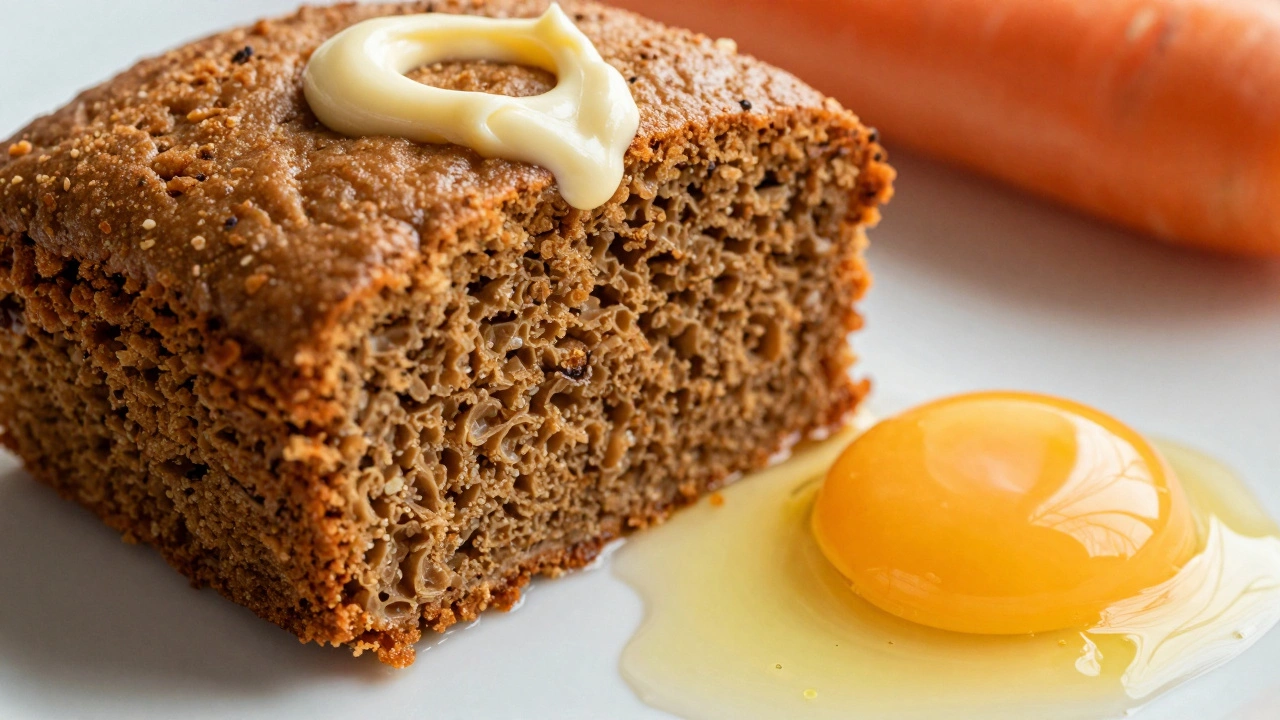
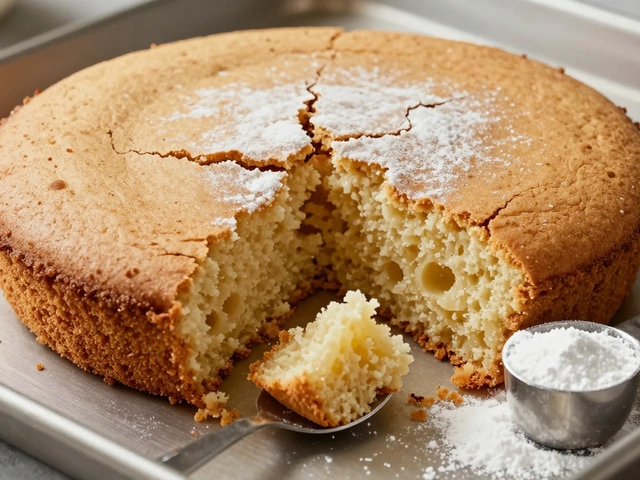
Wait, why are we talking about cakes? Mayonnaise is a sandwich condiment, right? Actually, mayonnaise is a secret weapon in gluten-free baking, especially for dense cakes like carrot cake, banana bread, or chocolate zucchini cake.
Gluten-free flours like almond flour or oat flour don’t have the elastic structure of wheat flour. They can dry out quickly. Mayonnaise adds fat and moisture without adding too much liquid volume. The emulsifiers in the mayo help bind the ingredients together, creating a tender crumb that mimics the texture of traditional wheat-based cakes.
If you use a mayonnaise with hidden gluten, you aren’t just risking your health; you’re ruining the structural integrity of your recipe. Imagine pulling a beautiful, moist cake out of the oven, only to realize it’s unsafe to eat. That’s a waste of time, money, and emotional energy.
How to Choose Safe Mayonnaise for Baking
So, how do you navigate the grocery aisle? Here is a practical checklist to ensure your mayonnaise is safe for gluten-free baking:
- Check the Label for "Gluten-Free": Look for the explicit claim. If it’s not there, proceed with caution.
- Scan for Red Flag Ingredients: Avoid anything listing "modified food starch," "malt vinegar," "barley malt," or "wheat flour."
- Look for Certifications: Brands with GFCO or similar certifications are the safest bet. In New Zealand and Australia, look for the Coeliacs NZ or Australian Coeliac Society endorsements.
- Stick to Simple Brands: Major brands like Hellmann’s or Best Foods (depending on your region) often have clear gluten-free statements for their classic recipes. However, always check the local version, as formulations change by country.
- Make Your Own: If you are truly anxious, making mayonnaise at home takes five minutes. Blend olive oil, egg yolks, lemon juice, and mustard. You control every ingredient, eliminating cross-contamination risks entirely.
Alternatives to Mayonnaise in Gluten-Free Baking
If you still feel uneasy about using mayonnaise, there are excellent alternatives that provide similar moisture and binding properties:
- Sour Cream: Most sour creams are gluten-free, but check for thickeners. It adds tang and moisture.
- Yogurt: Plain Greek yogurt works well in cakes, providing protein and creaminess.
- Avocado: Mashed avocado replaces fat and moisture in chocolate cakes seamlessly. You won’t taste the avocado, but you’ll love the texture.
- Applesauce: Unsweetened applesauce is a classic fat replacer, though it makes the cake slightly denser.
Each alternative changes the flavor profile slightly, so choose based on your cake type. For a savory gluten-free quiche crust, mayonnaise is hard to beat. For a sweet vanilla sponge, yogurt might be better.
Final Thoughts on Safety and Confidence
Living with a gluten-free diet doesn’t mean you have to fear every jar on the shelf. It means being informed. Mayonnaise, in its simplest form, is gluten-free. The risk comes from additives and manufacturing processes. By reading labels, choosing certified brands, or making your own, you can safely enjoy moist, rich gluten-free cakes without worry.
Next time you are baking, grab that jar of mayo confidently. Just double-check the label first. Your cake will thank you, and so will your digestive system.
Is Hellmann's mayonnaise gluten-free?
Yes, Hellmann's Real Mayonnaise is generally considered gluten-free. The ingredients include soybean oil, whole eggs, egg yolks, distilled vinegar, water, salt, sugar, and spices. However, formulations can vary by region, so always check the label for a "Gluten-Free" certification or statement, especially if you have Celiac disease.
Can I use mayonnaise in gluten-free carrot cake?
Absolutely. Mayonnaise is a popular ingredient in gluten-free carrot cake because it adds moisture and tenderness, which gluten-free flours often lack. Just ensure the mayonnaise you use is certified gluten-free to avoid cross-contamination.
What is modified food starch in mayonnaise?
Modified food starch is a thickening agent. It can be derived from corn, potato, tapioca, or wheat. If the label does not specify the source, it is often wheat-based and contains gluten. Always avoid mayonnaise with unspecified modified food starch if you are gluten-free.
Is malt vinegar gluten-free?
No, malt vinegar is made from barley and contains gluten. It is sometimes used in pickles or certain mayonnaise varieties for flavor. If you see malt vinegar in the ingredients, the product is not safe for a gluten-free diet.
How do I make gluten-free mayonnaise at home?
To make simple gluten-free mayonnaise, blend one egg yolk, one teaspoon of Dijon mustard (check for gluten-free label), one tablespoon of lemon juice, and slowly drizzle in 1 cup of neutral oil like canola or sunflower oil while blending. Season with salt and pepper. Store in the fridge for up to one week.


Write a comment