

Tiramisu Quality Estimator
Select your ingredients and preparation method to see how close you are to the "Gold Standard" classic Italian tiramisu.
Quality Assessment
Awaiting Input
Why This Matters:
- ✓ Bitter/Sweet Balance: Espresso cuts through mascarpone fat.
- ✓ Texture: Proper chilling sets the structure; quick dipping prevents sogginess.
- ✓ Freshness: Cocoa applied late ensures dry, aromatic finish.
You ask what the most famous tiramisu is? It’s a bit of a trick question, because tiramisu *is* the answer. If you walk into any restaurant in Tokyo, New York, or Auckland, there’s a good chance you’ll find this layered coffee-and-mascarpone dream on the menu. But why did one specific cake conquer the globe while thousands of other regional sweets stayed local? It’s not just about taste. It’s about texture, history, and that perfect balance of bitter and sweet.
Let’s cut through the noise. You’re probably here because you want to understand why this dessert holds such a prestigious spot in global cuisine. Maybe you want to make it yourself. Maybe you’re debating ordering it for dinner tonight. Either way, understanding the anatomy of tiramisu changes how you eat it-and how you judge the ones served elsewhere.
The Short Answer: Why Tiramisu Wins
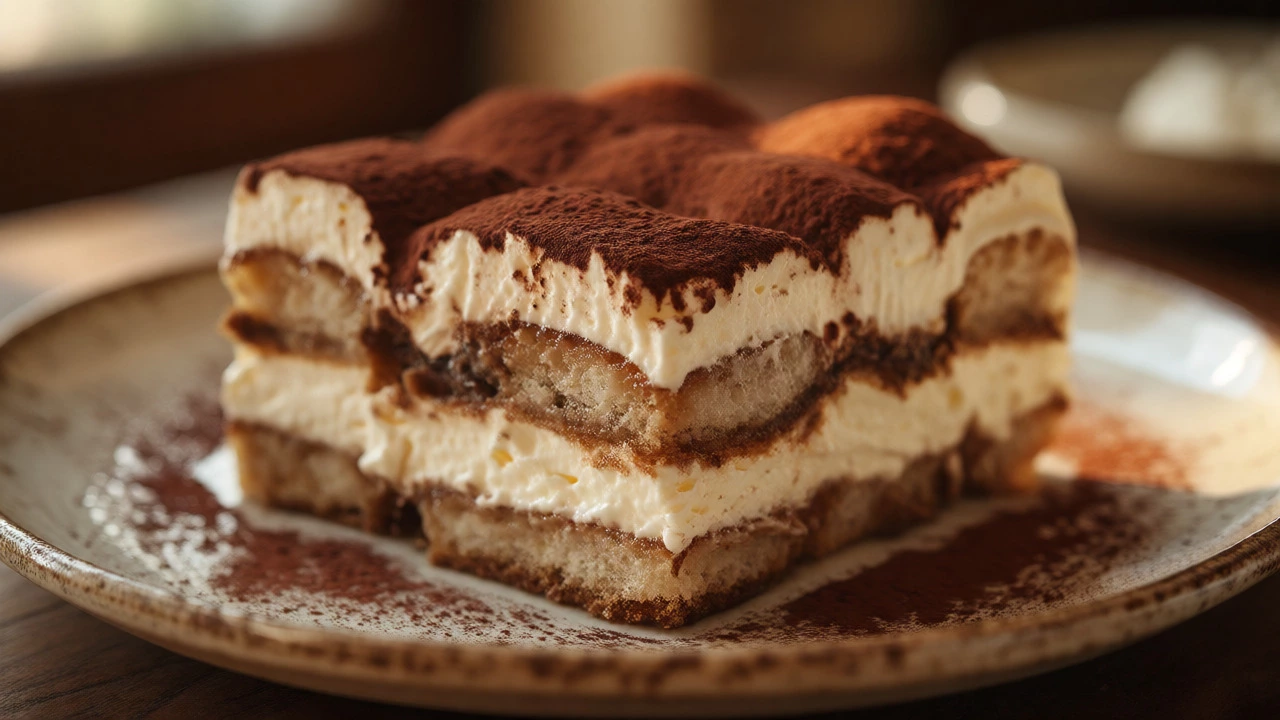
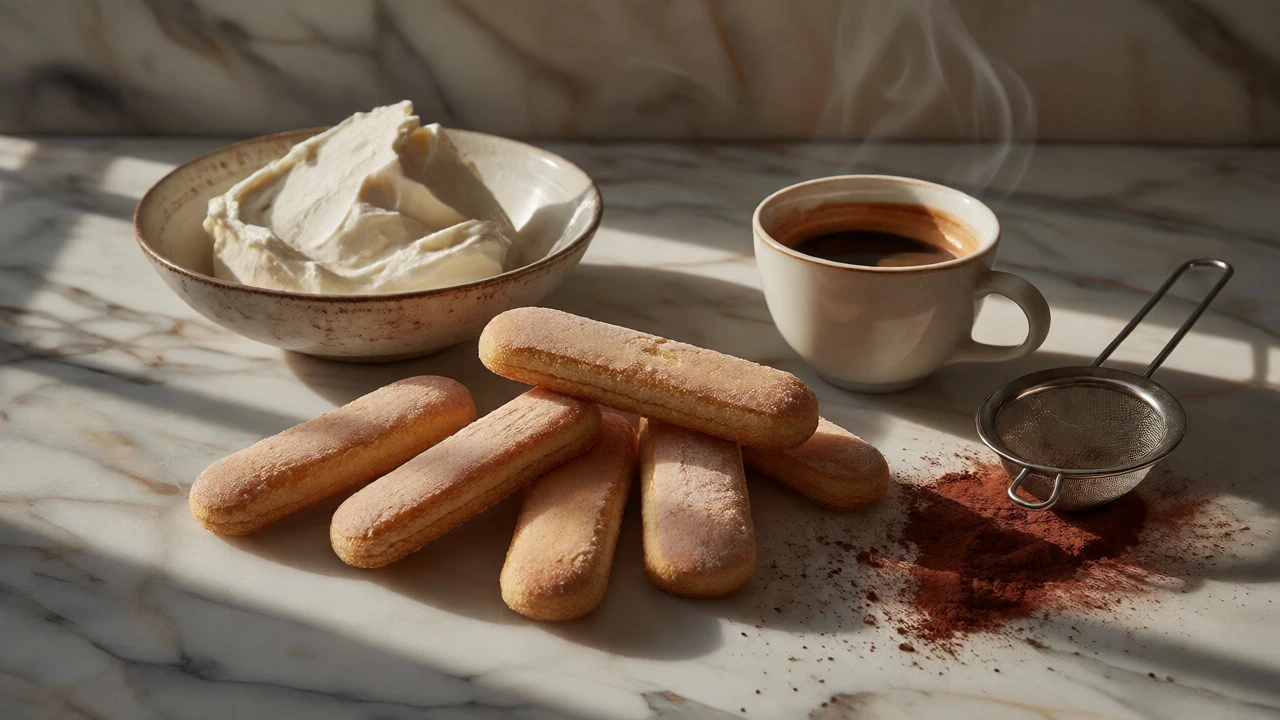
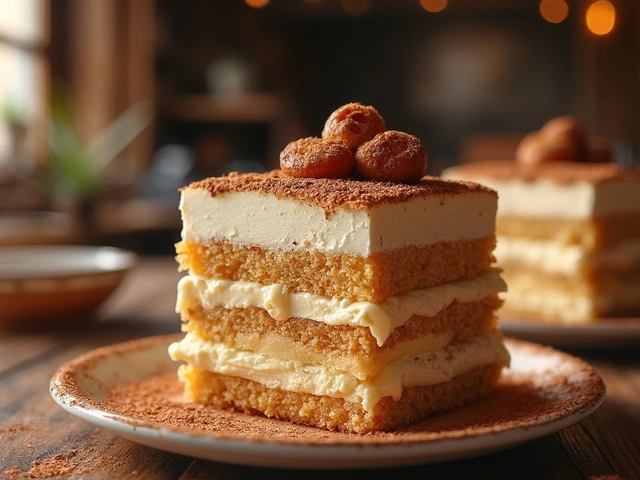
Tiramisu is an Italian dessert consisting of layers of sponge fingers (savoiardi) dipped in espresso and filled with whipped cream and mascarpone cheese, topped with cocoa powder. Its global fame stems from its universal appeal: it combines familiar flavors (coffee, chocolate, cream) with a unique textural contrast that feels both indulgent and light.
Here is the quick breakdown of why this specific dish dominates international menus:
- Flavor Balance: The bitterness of strong espresso cuts through the richness of mascarpone, preventing "dessert fatigue."
- Texture Complexity: Soft, moist sponge meets creamy filling and dry cocoa dusting. It’s a sensory experience, not just a taste test.
- No-Bake Convenience: Unlike cakes requiring precise oven temperatures, tiramisu sets in the fridge. This makes it easier for restaurants to produce consistently and for home cooks to attempt without fear of failure.
- Cultural Export Power: Italy’s culinary influence peaked in the late 20th century, and tiramisu became the flagship ambassador of modern Italian comfort food.
A Brief History: From Treviso to the World
Many people assume tiramisu has been around since Roman times. Wrong. It’s actually quite young. Most food historians trace its origins to the Veneto region of Italy, specifically the city of Treviso, in the 1960s or 1970s. There are competing claims between restaurants like Le Beccherie and older family traditions, but the timeline is clear: it didn’t exist in the early 20th century.
The name itself gives away its purpose. "Tirami su" translates roughly to "pick me up" or "lift me up." This refers to the caffeine kick from the coffee and the energy boost from the sugar and fat. It was designed as a restorative treat, perhaps for workers needing a mid-day lift or guests needing a gentle wake-up after a heavy meal. Knowing this context helps you appreciate why it’s rarely eaten as a standalone breakfast-it’s a finisher, a closer, a final punctuation mark on a meal.
By the 1980s, tiramisu had crossed the border into France and Germany. By the 1990s, it was in every major US city. Today, variations exist everywhere, from matcha tiramisu in Japan to pumpkin-spice versions in the US. But the classic recipe remains the gold standard against which all others are judged.
Anatomy of a Perfect Tiramisu
To truly understand why this dessert is iconic, you need to look at its components. Each ingredient plays a critical role. If you swap one out incorrectly, the structural integrity and flavor profile collapse.
| Ingredient | Role | Common Mistakes |
|---|---|---|
| Mascarpone Cheese | Provides the creamy, rich base. High fat content ensures smoothness. | Using low-fat cream cheese; over-whipping leading to butter separation. |
| Savoiardi (Ladyfingers) | The sponge layer. Absorbs liquid quickly due to porous structure. | Over-soaking (soggy mess); under-soaking (dry, hard chunks). |
| Espresso Coffee | Adds bitterness and moisture. Must be cooled before use. | Using instant coffee (weak flavor); using hot coffee (melts cream). |
| Cocoa Powder | Top layer. Adds aroma and visual contrast. | Adding too early (gets wet/clumpy); using sweetened mix instead of pure cocoa. |
| Eggs | Traditional recipes use raw yolks and whites for airiness. | Ignoring freshness risks; skipping pasteurization if concerned about safety. |
Notice the emphasis on quality ingredients. Because there are so few components, there’s nowhere to hide. Bad coffee ruins the whole dish. Cheap mascarpone tastes waxy. The simplicity is exactly why it’s respected by chefs worldwide.
Regional Variations vs. The Classic
While the classic recipe is dominant, local adaptations have sprung up globally. These aren’t necessarily "wrong," but they change the identity of the dish.
Classic Tiramisu is the traditional Italian version using only coffee, mascarpone, eggs, sugar, savoiardi, and cocoa. It relies on no alcohol, though Marsala wine is sometimes added in certain households.
In Australia and New Zealand, where I’m writing from, you might see fruit variations. Strawberry or mango tiramisu is popular here. It’s lighter, fresher, and suits the warmer climate. However, purists argue that once you add fruit, it’s no longer tiramisu-it’s a fruit trifle with mascarpone.
In the United States, you’ll often find versions with added gelatin to help it hold its shape during transport. Some bakeries even bake a thin sponge cake layer instead of using ladyfingers. These modifications prioritize stability and shelf-life over authenticity. They’re convenient, sure, but they lose that delicate, melting-in-your-mouth quality that defines the original.
Japan offers another interesting take. Matcha tiramisu replaces coffee with green tea powder and often uses white chocolate or condensed milk for sweetness. It’s a brilliant adaptation that respects the structure while swapping the core flavor profile. Yet, when asked "what is typical Italian food," locals will still point to the coffee-based original.
How to Spot a Good Tiramisu (And Avoid a Bad One)
If you’re ordering this dessert at a restaurant, you can usually tell if it’s going to be good before you take a bite. Here’s your cheat sheet:
- Check the Cocoa Dusting: It should be fresh, dry, and evenly distributed. If it looks damp or clumped, the dessert has been sitting too long or was assembled improperly.
- Look at the Layers: You should see distinct bands of cream and sponge. If it’s a uniform beige mush, the chef likely blended everything together rather than layering it. That’s lazy.
- Smell It: A good tiramisu smells strongly of coffee and cocoa. If it smells mostly of vanilla extract or artificial cream, skip it.
- Ask About Alcohol: Authentic recipes may include Marsala wine or rum. If the server says "we don't use alcohol," that’s fine, but know that some depth of flavor might be missing. Conversely, if it tastes overwhelmingly boozy, they’ve gone overboard.
At home, the biggest pitfall is timing. Tiramisu needs time to set. Ideally, it rests in the refrigerator for at least 4 hours, preferably overnight. Eating it immediately results in a runny, unstable mess. Patience is part of the recipe.

Why It Remains Relevant in 2026
You might wonder if tiramisu is fading. With trends shifting toward vegan options, gluten-free diets, and healthier desserts, does this heavy cream bomb still stand a chance?
Absolutely. Here’s why:
- Vegan Adaptations Are Excellent: Cashew-based mascarpone alternatives and aquafaba meringues have gotten incredibly close to the real thing. Vegan tiramisu is now widely available and often indistinguishable to non-purists.
- Gluten-Free Friendly: Swapping wheat-based savoiardi for gluten-free sponge cookies is easy and common. Many celiac-friendly bakeries excel at this.
- Nostalgia Factor: For many, tiramisu represents a special occasion-weddings, anniversaries, fancy dinners. Nostalgic foods tend to stick around longer than trend-driven ones.
It’s also versatile. You can serve it in individual glasses for a modern look, or in a large tray for family style. It scales easily. Need to feed 50 people? Make a giant tray. Just cooking for two? Use ramekins. This flexibility keeps it relevant in both high-end dining and casual home kitchens.
Frequently Asked Questions
Is tiramisu really Italian?
Yes, tiramisu originated in Italy, specifically in the Veneto region, likely in the 1960s or 1970s. While similar layered desserts exist in other cultures, the specific combination of mascarpone, espresso-soaked savoiardi, and cocoa is distinctly Italian.
Does tiramisu contain alcohol?
Traditional recipes often include Marsala wine, rum, or brandy to enhance flavor. However, many modern versions omit alcohol entirely to make it suitable for children and those avoiding alcohol. Always check with the chef or read the label if this matters to you.
Can you freeze tiramisu?
Yes, tiramisu freezes well. Wrap it tightly in plastic wrap and then foil. It can last up to 3 months in the freezer. Thaw it slowly in the refrigerator overnight before serving. Note that the texture might become slightly softer after freezing, but the flavor remains intact.
What is the difference between mascarpone and cream cheese?
Mascarpone is an Italian double-cream cheese with a higher fat content (around 60-75%) and a sweeter, less tangy flavor compared to American cream cheese (around 33% fat). Using cream cheese instead of mascarpone results in a denser, tangier dessert that lacks the airy lightness of authentic tiramisu.
Why is my tiramisu runny?
Runny tiramisu is usually caused by over-soaking the ladyfingers, using too much liquid, or not chilling it long enough. Ensure your coffee is fully cooled before dipping, dip briefly (1-2 seconds per side), and refrigerate for at least 4-6 hours to allow the structure to set.






Write a comment