

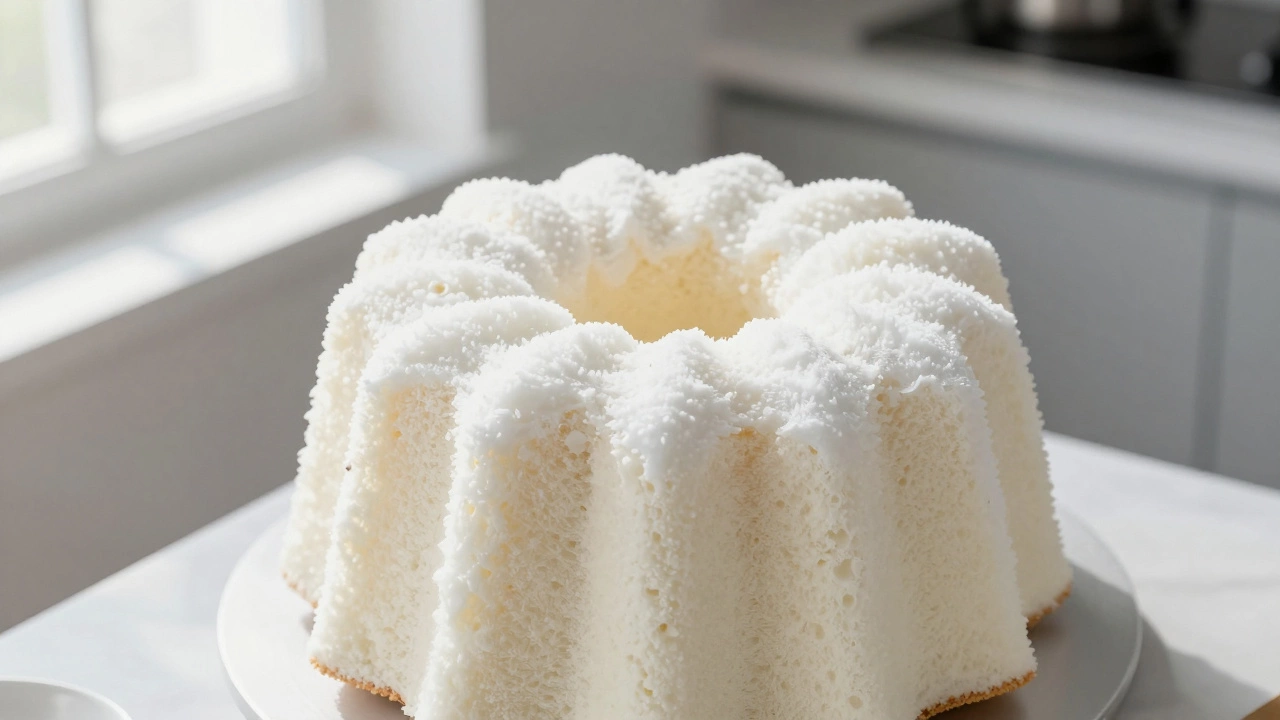
Angel Food Cake Troubleshooting Guide
What is the main issue with your cake?
Tell us more...
The Verdict:
Pro Tip for Next Time:
Key Takeaways for Baking Angel Food Cake
- Fat-Free Base: Uses no butter, oil, or egg yolks.
- The Secret: Relies on whipped egg whites for structure and volume.
- Special Equipment: Requires a tube pan with a center hole for heat distribution.
- Texture: Spongy, airy, and slightly sweet.
The Science Behind the Cloud
To understand Angel Food Cake is a fat-free sponge cake made primarily from whipped egg whites, sugar, and flour. Unlike a Pound Cake, which gets its density from butter, angel food cake is all about the air. When you beat egg whites, you're essentially trapping millions of tiny air bubbles inside a protein web. During baking, that air expands, pushing the cake upward.
Because there is no fat to weigh it down, the cake achieves a height and fluffiness that's nearly impossible with a traditional batter. This is why it's often categorized as a Meringue-style cake. The protein in the eggs provides the structure, and the sugar stabilizes those air bubbles so the cake doesn't collapse the moment it leaves the oven.
What Makes It Different From Other Cakes?
People often confuse this with Sponge Cake or Chiffon Cake. While they all look fluffy, the chemistry is different. A sponge cake usually uses whole eggs, and a chiffon cake adds vegetable oil for a moister crumb. Angel food cake is the "purist" of the group-strictly egg whites, sugar, and flour.
| Feature | Angel Food Cake | Chiffon Cake | Standard Sponge Cake |
|---|---|---|---|
| Fat Source | None | Vegetable Oil | Whole Eggs/Butter |
| Texture | Airy & Spongy | Moist & Velvety | Firm & Springy |
| Primary Lift | Whipped Egg Whites | Egg Whites + Baking Powder | Whole Eggs |
| Sweetness | Mild/Light | Moderate | Rich |
The Golden Rules of Preparation
You can't just throw these ingredients in a bowl and hope for the best. Baking an angel food cake is a bit like a chemistry experiment. If you mess up one step, you end up with a sweet omelet instead of a cake. Here is how to ensure success.
First, your bowl must be spotless. Any trace of fat-even a tiny drop of egg yolk or a smear of grease on the whisk-will stop the egg whites from peaking. This is why many professional bakers use a copper bowl or wipe their equipment with a bit of lemon juice first. The acid helps stabilize the proteins.
Second, you need a specific pan. You'll see these cakes always have a hole in the middle. That's not for aesthetics; it's for heat. Because the cake is so thick and airy, the center hole allows heat to reach the core of the cake quickly, ensuring it cooks evenly without burning the edges. Also, never grease the pan. The batter needs to "climb" the walls of the pan to reach its full height. If the walls are slippery, the cake will slide down and stay flat.
Step-by-Step Guide to a Perfect Bake
Ready to try it? Follow these steps to get that professional bakery result at home.
- Separate your eggs carefully: Use room temperature eggs. If a single speck of yolk gets into your whites, start over with a fresh bowl.
- Beat to soft peaks: Use a stand mixer or hand mixer. Start slow and increase the speed until the whites look like shaving cream and hold a soft shape.
- Gradually add sugar: Add your superfine sugar one tablespoon at a time. This ensures the sugar dissolves completely and doesn't weigh down the foam.
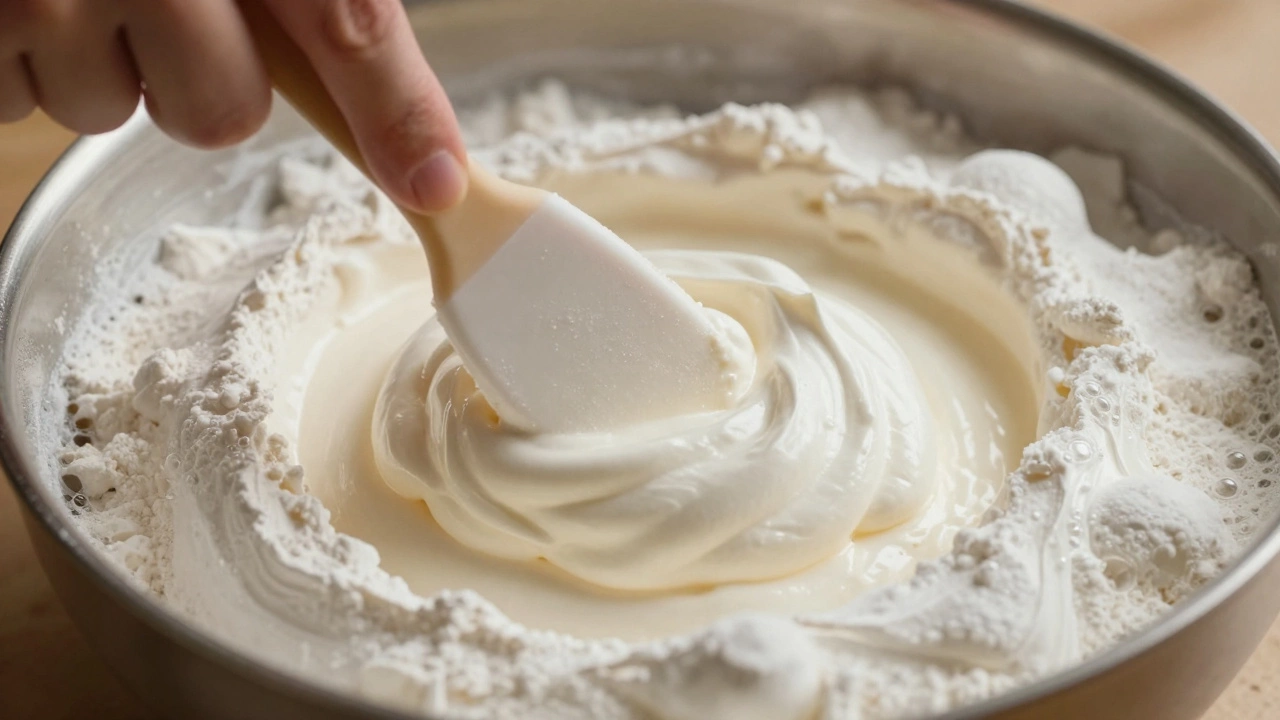
- Sift and fold the flour: This is the most critical part. Do not stir or beat the flour in. Use a rubber spatula to gently fold the flour into the whites. If you're too aggressive, you'll pop all those air bubbles you worked so hard to create.
- Bake and Cool Upside Down: Once the cake is out of the oven, immediately flip the pan upside down. Most tube pans have "feet" for this. Let it cool completely in this inverted position. This prevents the cake from collapsing under its own weight as it cools.
Best Ways to Serve and Store
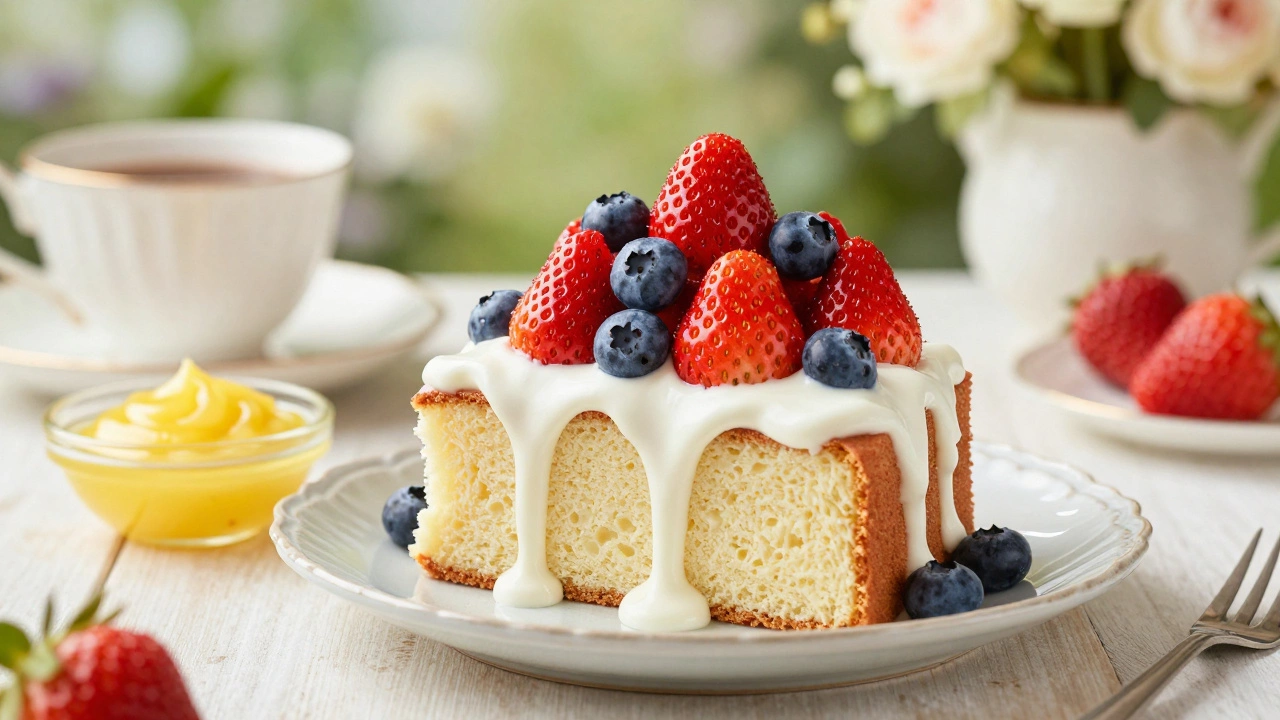
On its own, angel food cake is quite mild. It's designed to be a canvas for other flavors. The most classic pairing is fresh berries and a drizzle of homemade whipped cream. Because the cake is so absorbent, it's also fantastic for soaking up fruit juices from a strawberry or blueberry compote.
If you're looking for something more decadent, try a dusting of powdered sugar and a side of lemon curd. The tartness of the lemon cuts through the sweetness of the meringue-like base perfectly.
As for storage, these cakes dry out faster than butter-based cakes. Keep your slices in an airtight container. If the cake feels a bit stale, a quick 10-second zap in the microwave can bring back some of that original softness, though it's always best eaten within three days.
Common Pitfalls and How to Fix Them
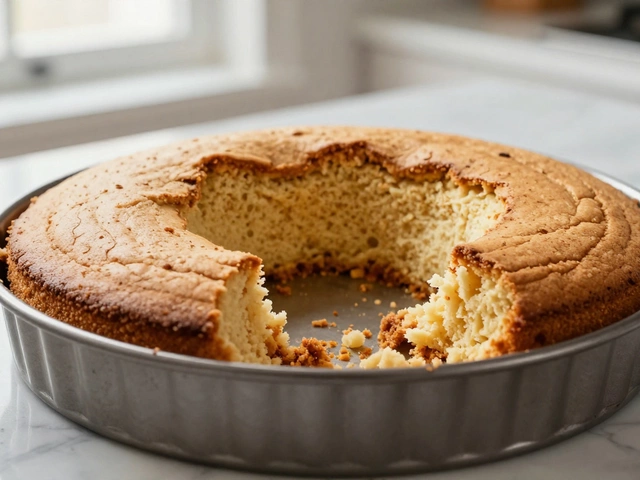
If your cake didn't quite hit the mark, don't worry. Most mistakes are easy to troubleshoot. Did the cake collapse? You likely over-mixed the flour or didn't cool it upside down. Over-mixing destroys the air cells, and skipping the inversion lets gravity pull the structure down before it sets.
Was the cake too dense? Your egg whites might not have reached the proper peak, or your oven temperature was too low. The cake needs a consistent, high heat to "set" the protein walls instantly.
Did you find a "rubbery" texture? This usually happens when you over-beat the egg whites past the stiff peak stage, causing the protein bonds to become too tight and shrink.
Can I make angel food cake gluten-free?
Yes, you can. Replace the cake flour with a high-quality gluten-free flour blend that contains xanthan gum. However, because gluten-free flours are heavier, you might find the cake is slightly less airy. Sifting the flour three times is essential to keep the batter as light as possible.
Why does my cake stick to the pan?
If you greased the pan, the cake can't "grip" the sides to climb. If you didn't grease it and it's still sticking, try running a thin offset spatula or a knife around the edge of the cake after it has cooled completely. Another tip is to wrap a warm, damp towel around the bottom of the pan for a few minutes before releasing.
Do I have to use cake flour?
While you can use all-purpose flour, cake flour is highly recommended. Cake flour has a lower protein content, which results in a more tender, delicate crumb. If you only have all-purpose, you can make a substitute by removing two tablespoons of flour from one cup and replacing them with two tablespoons of cornstarch.
Can I use a regular round cake pan?
It is not recommended. Without the center hole of a tube pan, the middle of the cake will likely remain raw while the outside burns. If you absolutely must use a round pan, lower the temperature by 25 degrees and increase the baking time, but the result will rarely be as fluffy.
How do I get the perfect "stiff peaks"?
Beat your egg whites on medium-high speed. A "stiff peak" is reached when you lift the whisk and the peak of the foam stands straight up without drooping. If it curls over, it's a soft peak. Be careful not to over-beat until the foam looks grainy, as this will ruin the texture of the cake.

Write a comment