

Brownie Texture Flavor Calculator
How Texture Shapes Your Brownie Experience
Choose your preferred brownie texture to see how it affects flavor, mouthfeel, and overall experience.
Your Brownie Flavor Experience
Ever taken a bite of a brownie and wondered why it feels so different from cake or chocolate? It’s not just chocolate. It’s not just cake. It’s something deeper - rich, dense, and oddly comforting. The taste of a brownie isn’t something you describe with fancy words. You feel it. It’s the quiet moment after a long day when you unwrap a warm square, and everything else fades for just a second.
The Core Flavor: Deep Chocolate, Not Sweet
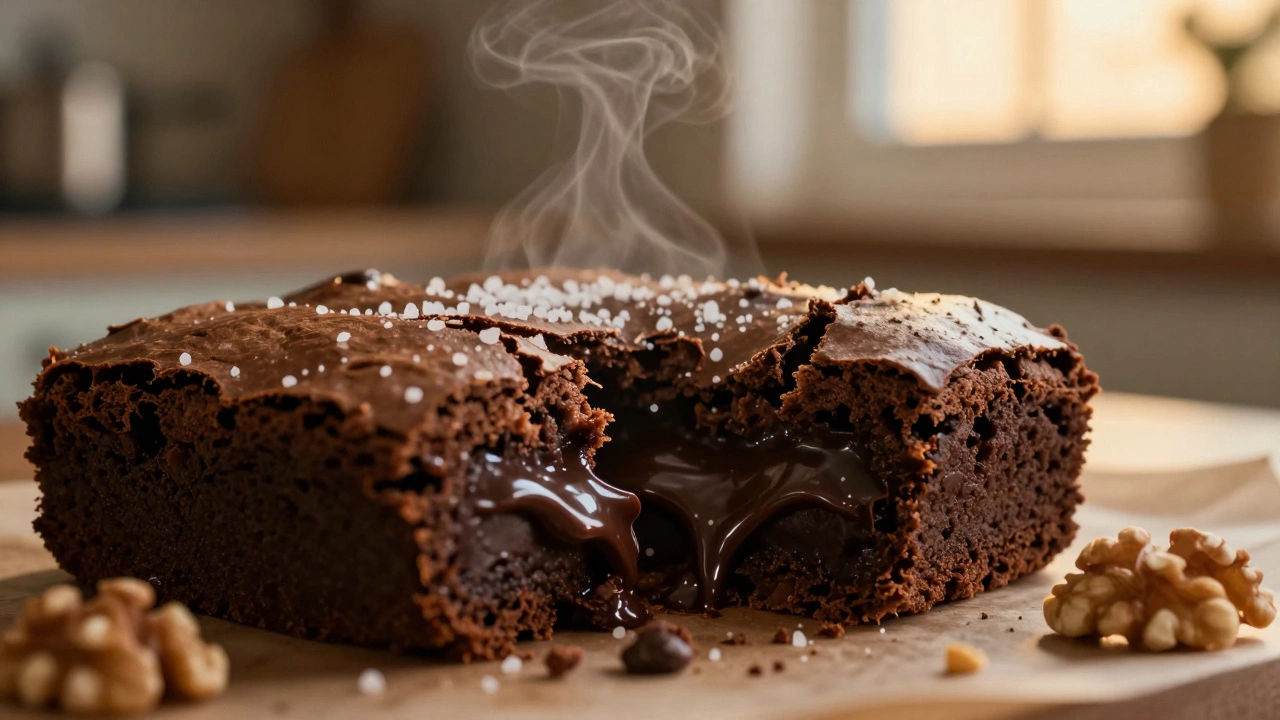
A good brownie doesn’t taste like candy. It tastes like dark chocolate that’s been melted, stirred, and baked into something heavier. The base is usually unsweetened cocoa powder or melted dark chocolate - 60% to 70% cacao is common in professional recipes. That means bitterness is part of the flavor profile, not a mistake. The sugar balances it, but it doesn’t erase it. Think of it like a strong cup of coffee: the bitterness makes the sweetness more meaningful.
Real brownies don’t taste like milk chocolate bars. If yours does, it’s probably been over-sugared or made with cheap chocolate chips. Authentic brownies have a roastiness, almost like toasted nuts or coffee beans, especially if the cocoa is Dutch-processed. That’s the deep, earthy note you get from alkalized cocoa. It’s not flashy. But it sticks with you.
Texture Changes Everything
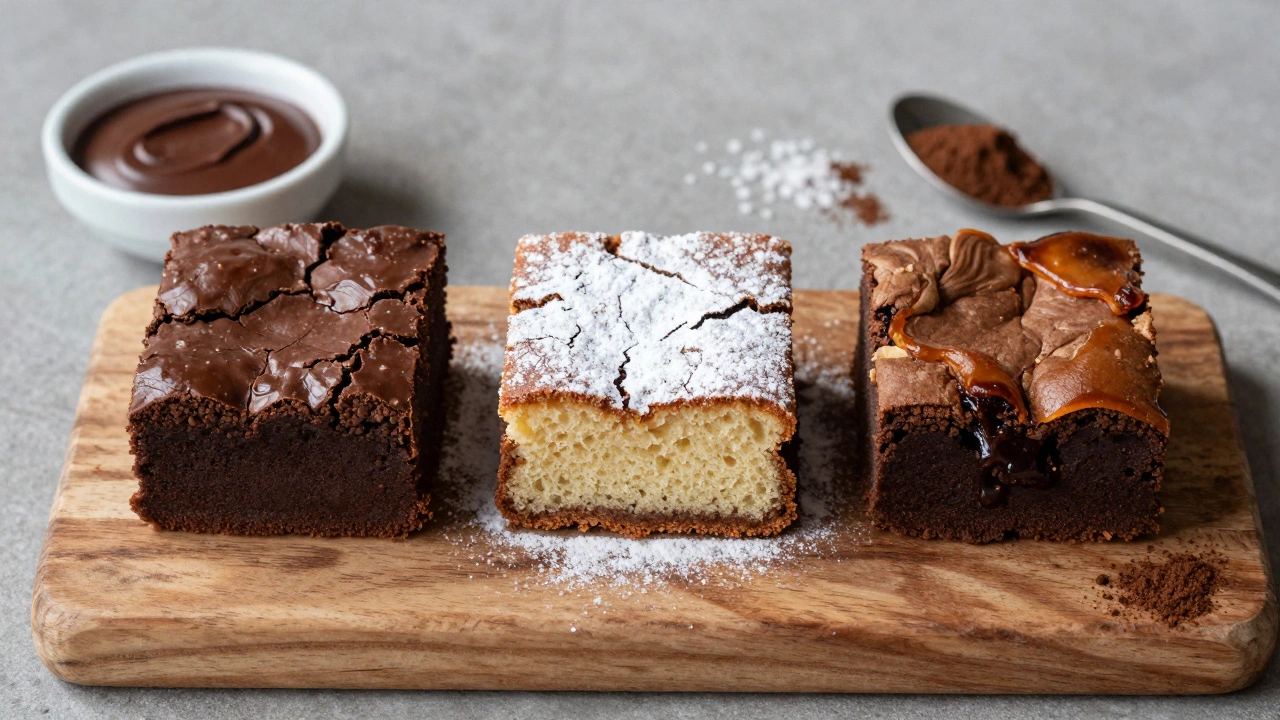
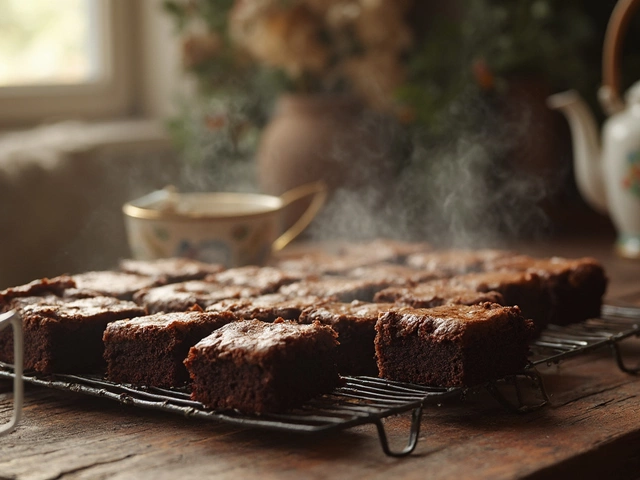
You can’t talk about brownie flavor without talking about texture. The taste changes depending on whether it’s fudgy, cakey, or chewy. A fudgy brownie - the kind that cracks on top and pulls apart like melted chocolate - delivers its flavor in slow waves. It clings to your tongue. You taste the butter, the chocolate, and just a hint of vanilla long after you swallow.
A cakey brownie, on the other hand, is lighter. It’s got more flour and sometimes baking powder. The flavor is cleaner, less intense. It’s like chocolate cake with a denser crumb. It’s good, but it doesn’t have the same emotional weight. Most people who say they don’t like brownies are actually thinking of cakey ones.
Then there’s the chewy brownie. That’s the one with a slightly crisp edge and a dense, sticky center. It’s made with more brown sugar, which pulls moisture in. The flavor here is caramel-like - toasty, almost molasses-heavy. It’s the kind of brownie you eat slowly, letting it soften on your tongue.
What Makes a Brownie Taste Different?
Not all brownies are made the same. The ingredients change the flavor dramatically.
- Butter vs. oil: Butter adds a creamy, dairy richness. Oil makes the brownie more moist but flat in flavor. Butter wins for depth.
- Dark chocolate vs. chocolate chips: Chocolate chips hold their shape and have stabilizers. Melting real chocolate gives a smoother, more complex flavor.
- Espresso powder: A teaspoon doesn’t make it taste like coffee. It deepens the chocolate. It’s like adding salt to soup - you don’t taste the salt, but the dish feels more complete.
- Nuts: Walnuts or pecans add crunch and a nutty oiliness that cuts through the sweetness. They don’t overpower - they balance.
- Sea salt: A sprinkle on top before baking? That’s the secret. Salt wakes up the chocolate. It’s not salty. It’s more like the difference between a dull photo and one with perfect contrast.
One of the most common mistakes? Overbaking. A brownie baked past 25 minutes starts to dry out. The flavor becomes flat. The chocolate stops being luxurious and starts tasting like stale cocoa powder. The perfect brownie is still slightly gooey in the center when you take it out. It firms up as it cools.
How It Compares to Other Chocolate Treats
Let’s put brownies next to other desserts so you understand what makes them unique.
| Desert | Flavor Profile | Texture | Chocolate Intensity |
|---|---|---|---|
| Brownie | Deep chocolate, slight bitterness, caramel notes | Fudgy, chewy, or cakey | High - real chocolate, minimal sugar masking |
| Chocolate Cake | Sweet, light, vanilla-forward | Soft, airy | Moderate - often masked by frosting |
| Fudge | Ultra-sweet, creamy, milk chocolate | Smooth, dense, melts instantly | Medium - sugar-heavy, less cocoa |
| Chocolate Truffle | Rich, buttery, ganache-focused | Soft center, silky shell | Very high - often 70%+ cacao |
| Chocolate Chip Cookie | Buttery, sugary, with bursts of chocolate | Crispy edges, soft center | Low - chips are mostly sugar and fat |
Notice how brownies sit between fudge and cake? They’re not as sweet as fudge, but they’re denser than cake. They’re not a snack - they’re a moment. That’s why people save them for after dinner, not lunch.
What About Vegan or Gluten-Free Brownies?
These versions change the flavor, but not always for the worse. A vegan brownie made with black beans or avocado? It’s earthier. The chocolate flavor still comes through, but there’s a faint bean or nuttiness underneath. Some people love it. Others think it tastes like dirt. It’s not bad - it’s just different.
Gluten-free brownies often use almond flour or oat flour. They tend to be nuttier and less chewy. They can dry out faster, so they need more fat - like extra butter or coconut oil - to keep the flavor rich. A well-made gluten-free brownie doesn’t taste like a compromise. It tastes like a brownie that just used different tools.
The trick? Don’t expect them to taste exactly like the classic version. They’re not copies. They’re reinterpretations. And if you’re making them, use high-quality dark chocolate. That’s the one ingredient that can’t be swapped without losing soul.
Why Do People Love Brownies So Much?
It’s not just nostalgia. It’s the balance. Brownies give you the comfort of something sweet, but they don’t make you feel guilty. They’re not airy. They’re not light. They’re substantial. They reward patience. You don’t eat a brownie fast. You savor it. You let it melt. You notice the layers.
It’s the same reason people drink dark coffee or eat dark chocolate. It’s not about sugar. It’s about depth. Brownies are the dessert version of a good whiskey - not for everyone, but unforgettable for those who get it.
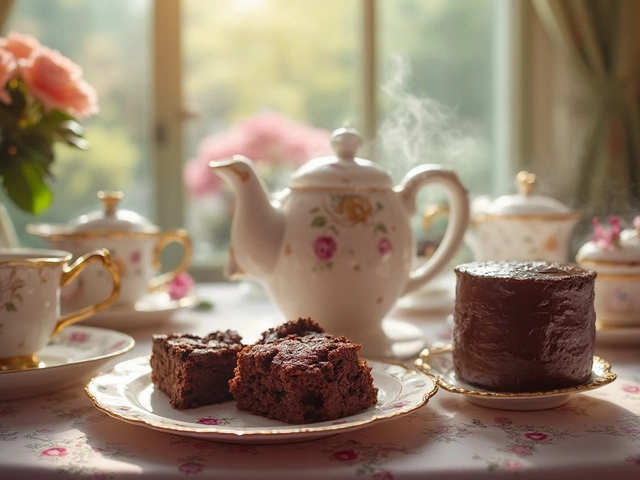
And if you’ve never had a truly good one? Try this: bake a batch with 70% dark chocolate, a pinch of sea salt, and walnuts. Don’t overbake. Let it cool for an hour. Eat it with a glass of cold milk. Or better yet - with nothing at all. Just you, the brownie, and the quiet.
Do brownies taste like cake?
No, not really. Brownies are denser and richer. Cake is light and airy, with more flour and leavening. Brownies rely on fat and chocolate for structure, not air. A cakey brownie is a compromise - it’s the middle ground, but it’s not the classic flavor people mean when they say "brownie."
Why do some brownies taste bitter?
It’s not a mistake. Good brownies use dark chocolate or unsweetened cocoa, which naturally has bitterness. That bitterness balances the sugar and makes the chocolate taste deeper. If it’s too bitter, you might be using chocolate over 85% cacao or skipping enough sugar. But a little bitterness? That’s what makes it real.
Can you taste coffee in brownies?
Not if you do it right. A teaspoon of espresso powder enhances the chocolate without adding coffee flavor. It’s like salt - it doesn’t taste like itself, but it makes everything else pop. If you can taste coffee, you used too much. Or you used instant coffee instead of powder.
Are fudgy brownies better than cakey ones?
It’s not about better - it’s about what you want. Fudgy brownies are richer, more intense, and closer to traditional recipes. Cakey ones are lighter and easier to eat in large quantities. Most bakeries serve fudgy. Most home bakers accidentally make cakey. Neither is wrong. But if you want the classic experience, go fudgy.
Why do brownies taste better the next day?
Because the flavors have time to settle. The chocolate, butter, and sugar meld together. The edges soften. The center becomes even fudgier. It’s like stew - it improves with time. Store them covered at room temperature. Don’t refrigerate - it dries them out and kills the texture.
Write a comment