

Vegan Candy Checker
Or click to select:
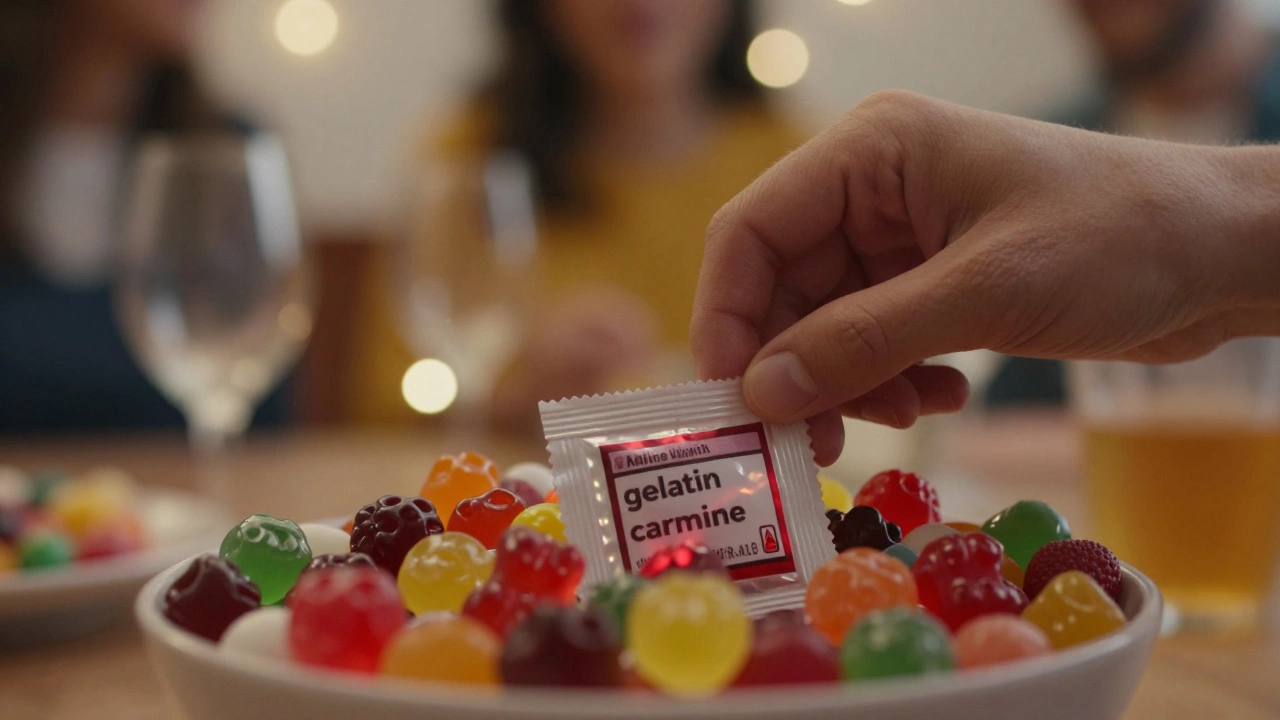
Picture this: you’re at a party, the bowl of mixed sweets is on the table, and you reach for your favorite. Then you remember-you can’t eat that. It has gelatin. Or maybe it’s coated in beeswax. For anyone following a strict vegan lifestyle, navigating the candy aisle isn’t just about avoiding meat; it’s a minefield of hidden animal derivatives.
Finding candy that is 100% vegan requires more than just checking for milk or eggs. You have to look deeper into the supply chain, understanding how sugar is processed and what gives gummies their bounce. The good news? The market has exploded with options. From dark chocolate bars to fruit chews, there are plenty of treats that align with your values without sacrificing taste.
The Hidden Ingredients That Disqualify Candy
Before we list the safe bets, you need to know what to avoid. Many people assume that if a candy doesn’t have "milk" or "eggs" listed prominently, it’s safe. This is a dangerous assumption. Manufacturers often hide non-vegan ingredients under technical names.
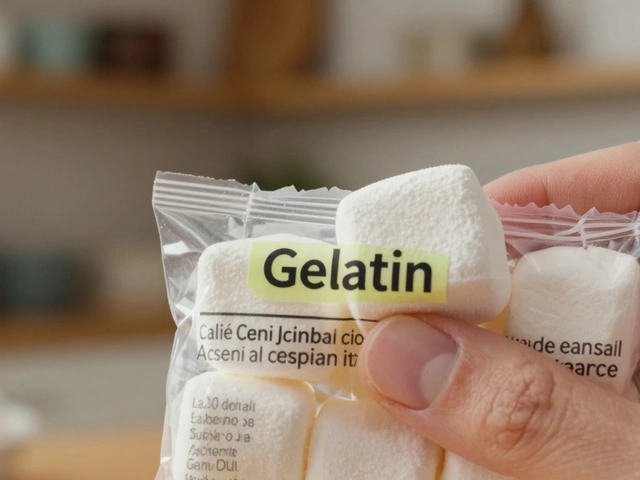
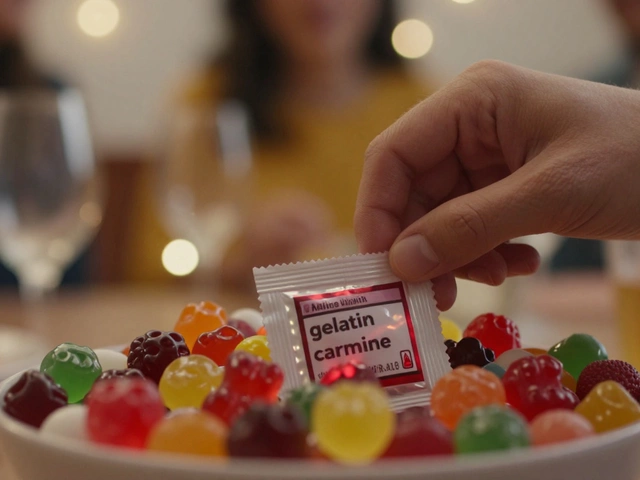
- Gelatin: This is the big one. Found in gummy bears, marshmallows, and soft chewy candies, gelatin is made by boiling animal skin, bones, and connective tissues. If it jiggles, check the label.
- Carmine (E120): A bright red dye used in sour belts and hard candies. It is made from crushed cochineal insects. Yes, real bugs.
- Beeswax: Often used to coat hard candies and licorice to give them a shiny finish. Since it comes from honeybees, it is not considered vegan.
- Shellac (Confectioner’s Glaze): Used to make chocolates and mints look glossy. It is a resin secreted by the lac insect.
- Casein and Whey: Derivatives of milk that often appear in white chocolate, caramel, and some peanut butter cups.
Understanding these components helps you read labels faster. If you see "natural flavors," be cautious-it’s a catch-all term that can sometimes include animal-derived substances, though it is often plant-based.
Chocolate: The Dark Side is Safe
Chocolate is the most common sweet craving, but it is also the trickiest. Most milk chocolate contains obvious dairy. Even many dark chocolates add whey or casein for creaminess. However, pure dark chocolate is naturally vegan.
To find vegan chocolate, look for bars that contain only cocoa mass, cocoa butter, sugar, and vanilla. Here are some reliable categories and brands:
| Type | Key Attribute | Popular Brands |
|---|---|---|
| Dark Chocolate (70%+) | No dairy added | Lindt Excellence, Green & Black’s, Endangered Species |
| Vegan Milk Chocolate | Uses oat or almond milk | Whitman’s Vegan, Alter Eco, Pascha |
| Raw Cacao Bars | Unroasted cacao, no refined sugar | Raw Revolution, Mayaca |
A pro tip: Always check the manufacturing facility info. Some brands make vegan and non-vegan products on the same line, which might be a concern if you have severe allergies, even if the ingredient list is clean.
Gummies and Chews: Look for Pectin
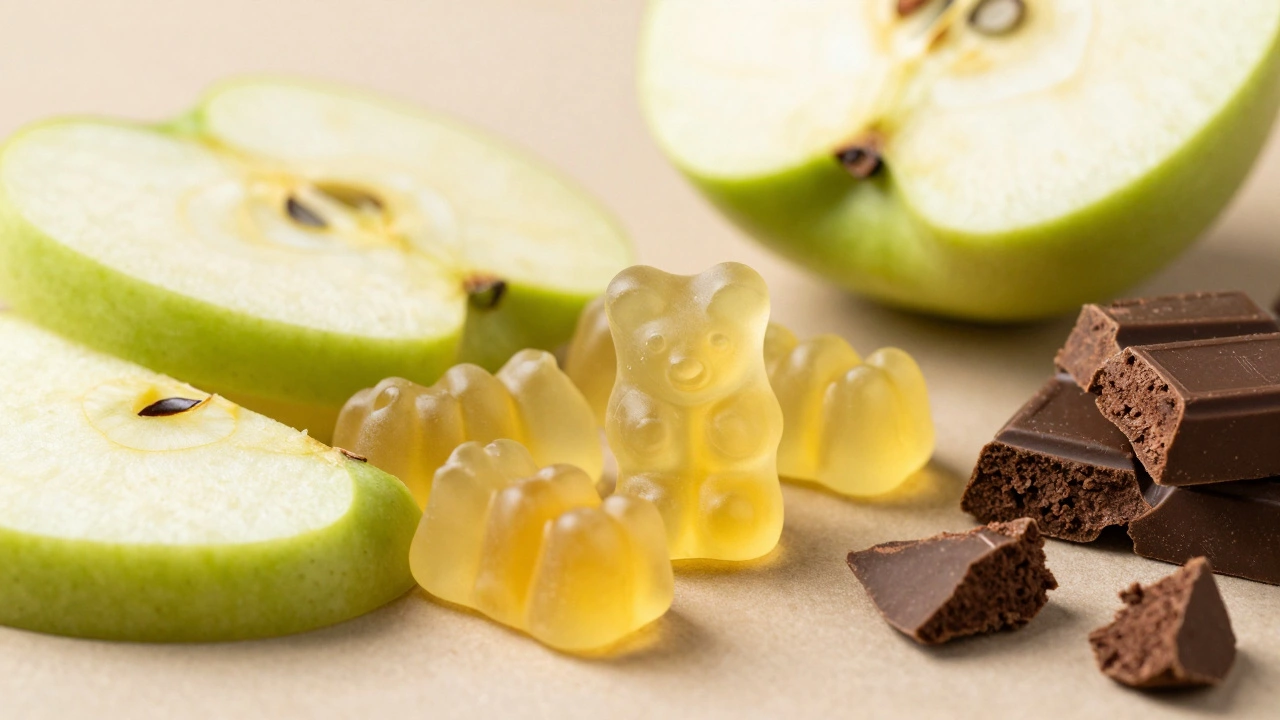
If you love the texture of gummy bears or worms, you’ve likely been eating gelatin your whole life. The vegan alternative is pectin. Pectin is a fiber found in fruits like apples and citrus peels. It provides that satisfying chew without any animal parts.
When shopping for vegan gummies, scan the ingredient list for pectin instead of gelatin. Several major brands have switched or created specific vegan lines:
- Haribo Super Fruit: Unlike their classic Goldbears, these are made with pectin and are widely available.
- Swedish Fish: Despite looking like fish, they have never contained gelatin. They use corn syrup and starch for texture. Just ensure you buy the standard version, as some regional variations might differ.
- Black Forest Gummies: Many of their fruit chews are pectin-based. Check the package for the "Vegan" logo.
- YumEarth Organic Bears: Specifically marketed as vegan, free from gelatin and artificial dyes.
Avoid marshmallows unless explicitly labeled vegan. Traditional marshmallows rely heavily on gelatin for their airy structure. Vegan marshmallows exist but often use aquafaba (chickpea water) or egg whites substitutes, so they are less common in standard candy aisles.
Hard Candies, Lollipops, and Licorice
Hard candies are generally safer because they don’t require binding agents like gelatin. However, the shine and color are where the issues arise. As mentioned earlier, confectioner’s glaze (shellac) and carmine dye are frequent offenders.
Here is how to navigate these sections:
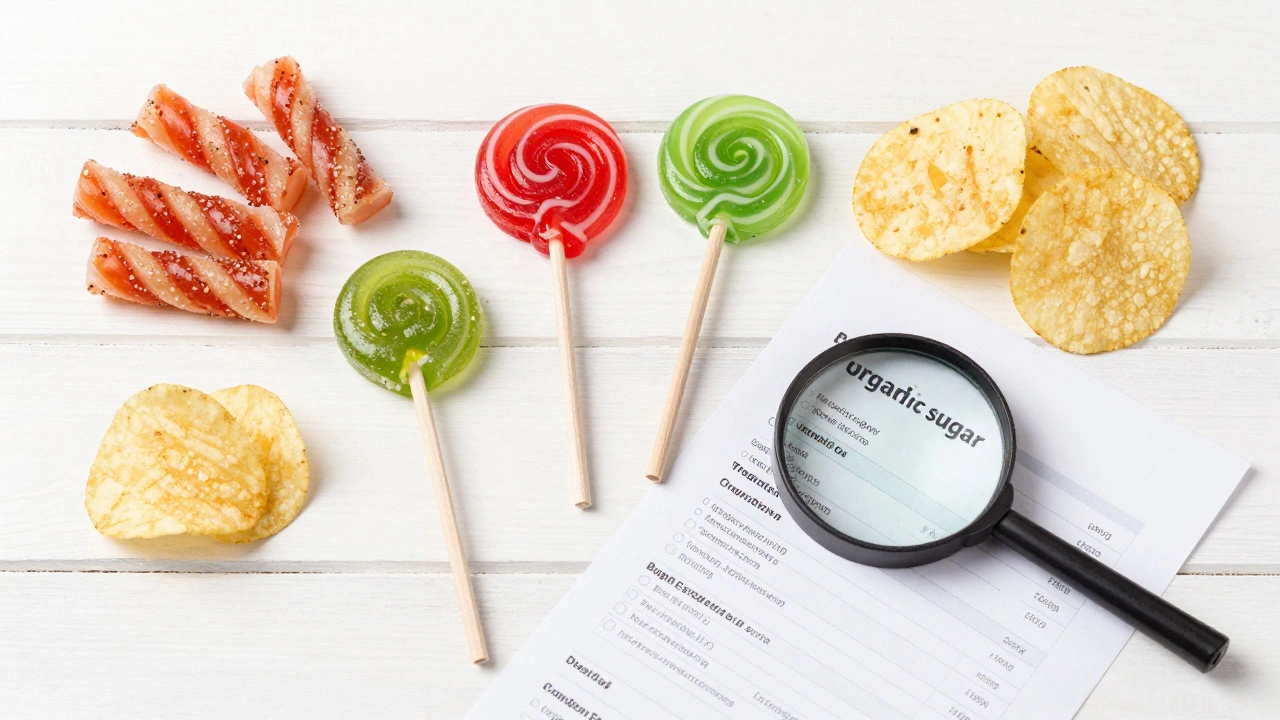
- Lollipops: Brands like Chupa Chups vary by region. In the US, many are vegan, but always check for carmine in red varieties. Jolly Ranchers are typically vegan-friendly, containing sugar, corn syrup, and fruit juice.
- Licorice: Traditional black licorice often uses beeswax for coating. Look for brands like Salmiakki (Finnish salt licorice) or specifically labeled vegan licorice such as Red Vine (some varieties). Twizzlers are generally vegan as they use vegetable oils rather than beeswax, but double-check local formulations.
- Sour Belts: Avoid red sour belts due to carmine. Green apple or lemon flavors are usually safer, relying on citric acid and artificial colors.
Potato Chips and Savory Snacks
While not "candy" in the traditional sense, savory snacks often fall into the same mental category for snacking. Many potato chips are accidentally vegan. Lay’s Classic, Pringles Original, and Kettle Brand chips are typically free from animal products.
However, flavored chips are risky. Cheese-flavored chips often contain whey or casein. Barbecue flavors may contain chicken fat or broth. Stick to simple seasonings like sea salt, vinegar, or onion powder when in doubt.
The Sugar Controversy: Bone Char?
This is a nuanced topic in the vegan community. Some refined white sugar is processed using bone char (from cattle) to bleach it white. This is primarily an issue with sugar produced in the United States. Sugar from beet plants, or cane sugar processed in countries like Canada, Australia, or the EU, is rarely filtered through bone char.
If you are strictly avoiding all animal exploitation, look for:
- Organic Sugar: By law, organic sugar cannot be processed with bone char.
- Beet Sugar: Never processed with bone char.
- Coconut Sugar or Maple Syrup: Natural sweeteners that bypass the refining process entirely.
Brands like Enjoy Life and Wholesome Sweeteners offer certified vegan sugars. While this level of scrutiny is optional for many vegans, it is important to know for those who want 100% ethical purity.
Best Vegan Candy Brands to Know
To make shopping easier, here are a few brands that are consistently vegan-friendly:
- Enjoy Life: Known for being allergy-friendly, their chocolates and baking chips are 100% vegan and nut-free.
- YumEarth: Offers lollipops, gummies, and chocolate clusters that are organic and vegan.
- Alter Eco: High-quality dark chocolate that supports fair trade and uses plant-based ingredients.
- Patricia’s Organics: Specializes in raw, vegan chocolate bars with unique flavor combinations.
- Mighty Monkey: Great for coconut-based chocolate bars and bites.
Reading Labels Like a Pro
You don’t need to memorize every ingredient. Instead, develop a quick scanning habit:
- Check for Certification: Look for the "Certified Vegan" logo. This guarantees no animal ingredients and no cross-contamination.
- Scan for Red Flags: Gelatin, Carmine, Shellac, Beeswax, Casein, Whey, Honey.
- Look for Green Flags: Pectin, Agar-Agar, Soy Lecithin, Vegetable Oil.
- Verify Online: If the label is unclear, a quick search of "[Brand Name] + vegan" usually yields results from other consumers or the company’s FAQ page.
Remember, formulations change. A candy that was vegan last year might switch suppliers this year. Always stay vigilant.
Is M&M's vegan?
No, standard M&M's are not vegan. They contain milk chocolate and may contain traces of peanuts. Additionally, the coloring often includes carmine or shellac. There are no official vegan M&M's currently produced by Mars, Inc.
Are Skittles vegan?
In the US, Skittles are generally considered vegan-friendly as they do not contain gelatin or carmine. However, they contain sugar which may be processed with bone char, and they use citric acid and natural/artificial flavors. In the UK, older formulations contained gelatin, but current versions are mostly vegan. Always check the specific package.
What is a vegan substitute for gelatin in candy making?
The most common substitutes for gelatin in commercial and homemade candy are pectin (from fruit), agar-agar (from seaweed), and carrageenan (also from seaweed). Pectin provides a softer, fruitier chew, while agar-agar creates a firmer, more brittle texture.
Is honey considered vegan?
No, honey is not considered vegan because it is produced by bees. Vegans avoid it to prevent exploitation of animals. Common vegan alternatives include maple syrup, agave nectar, date syrup, and brown rice syrup.
Are Twizzlers vegan?
Yes, most Twizzlers varieties are vegan. They are made from corn syrup, wheat flour, and vegetable oil. They do not contain gelatin or beeswax. However, always check the label as recipes can change by region.





Write a comment