What Makes a Cheesecake Dense or Fluffy? The Science Behind the Texture
Discover why some cheesecakes are rich and dense while others are light and fluffy. Learn how cream cheese, eggs, sugar, and baking method control texture in every slice.

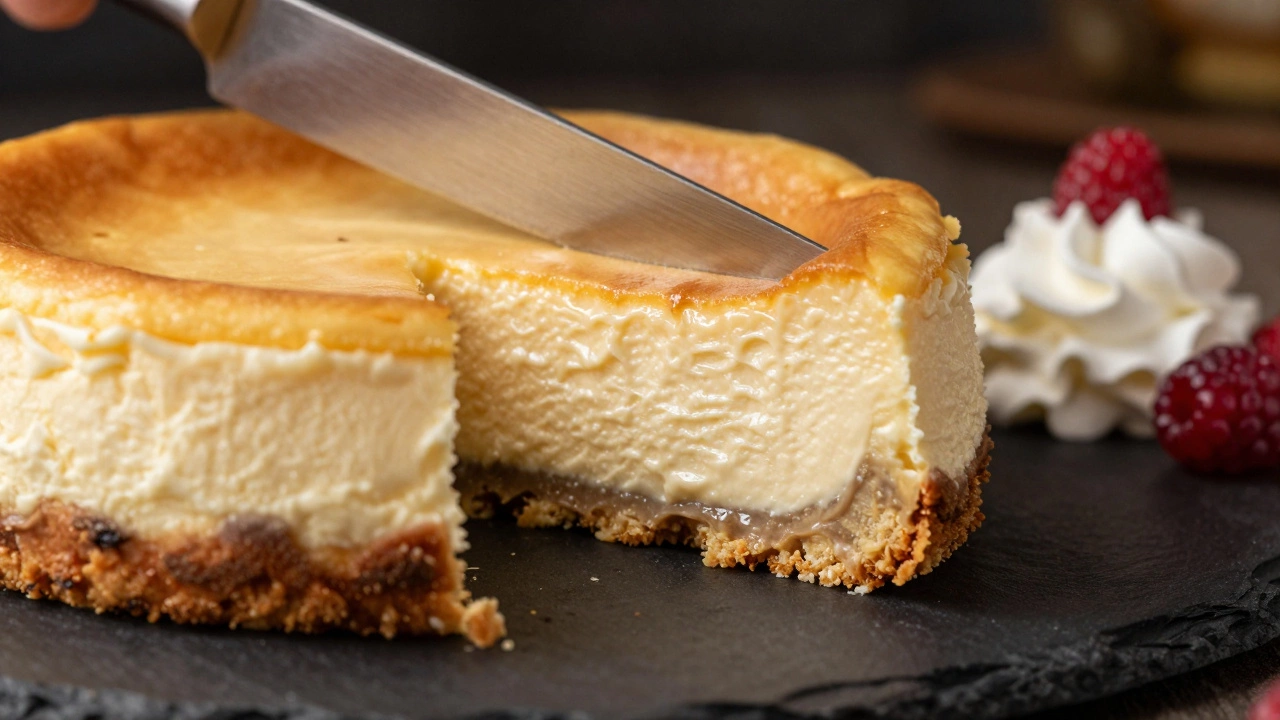
When you think of a fluffy cheesecake, a dessert that’s light, airy, and melts in your mouth without being heavy or dense. Also known as cloud cheesecake, it’s the kind of treat that feels like a reward for doing something right in the kitchen. It’s not just a richer version of a regular cheesecake—it’s a whole different experience. The difference comes down to how air gets trapped in the batter, what kind of cream cheese you use, and whether you bake it or not.
Most people assume all cheesecakes are dense, but that’s not true. A baked cheesecake, a classic style that’s cooked in the oven and often has a custard-like base can be fluffy too—if you whip the eggs just right and don’t overmix. On the flip side, a no bake cheesecake, a chilled dessert made with whipped cream and softened cream cheese gets its fluffiness from air beaten into heavy cream. Both styles rely on the same trick: keeping air in, not pushing it out. Too much mixing? You’ll collapse those bubbles and end up with a brick. Too little whipping? It’ll taste flat, even if it’s creamy.
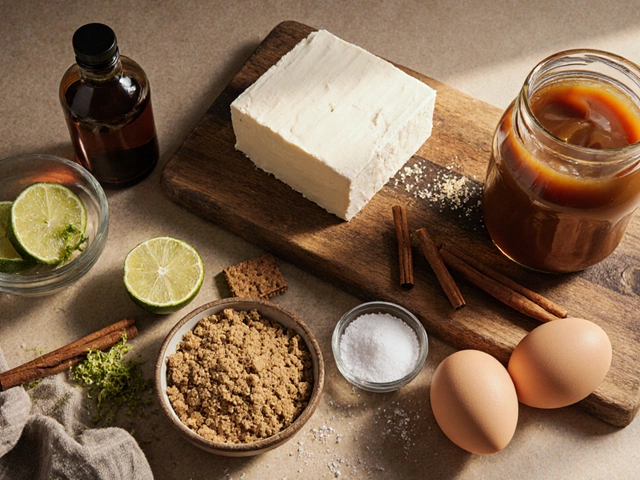
What you put in matters just as much as how you mix it. Full-fat cream cheese is non-negotiable—low-fat versions add water and stabilizers that ruin texture. Sour cream or Greek yogurt? They add tang and help keep the crumb tender. Vanilla extract? It doesn’t just flavor—it balances sweetness so the whole thing doesn’t feel cloying. And sugar? Granulated works best because it dissolves slowly, letting the structure hold its shape as it bakes or sets.
You’ll find posts here that break down exactly how to stop your cheesecake from cracking, why chilling time isn’t optional, and what happens when you skip the water bath. One post compares baked versus no-bake versions so you know which one suits your mood—whether you’re short on time or want that golden top. Another dives into why some recipes use cornstarch and others don’t, and what really happens when you overbeat the eggs. There’s even a guide on how to fix a runny no-bake cheesecake before it’s too late.
People ask why their cheesecake tastes good but doesn’t feel special. The answer isn’t fancy toppings or expensive ingredients. It’s control. Control over temperature, mixing time, and ingredient quality. That’s what turns a simple dessert into something people remember. Whether you’re making it for a birthday, holiday, or just because you deserve it, getting the texture right changes everything. Below, you’ll find real recipes, real fixes, and real tips from bakers who’ve been there—no fluff, just what works.
Discover why some cheesecakes are rich and dense while others are light and fluffy. Learn how cream cheese, eggs, sugar, and baking method control texture in every slice.