How to Fix a Weeping Pavlova: Simple Fixes for a Soggy Meringue
Learn how to fix a weeping pavlova with simple, proven steps to save your soggy meringue. Prevent moisture issues with sugar tips, oven tricks, and cooling methods that actually work.

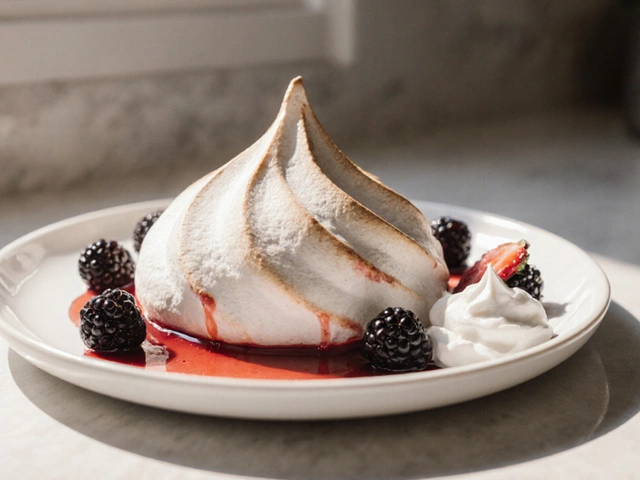
When you pull a pavlova, a crisp meringue shell filled with cream and fruit out of the oven, you expect that signature crunch. But if the bottom’s sticky, the top’s wet, or the whole thing collapses into a sugary puddle—you’re not alone. A soggy pavlova, a meringue that fails to hold its structure and absorbs moisture is one of the most common baking frustrations, and it’s usually not your fault. It’s not about skill. It’s about science—and a few overlooked details.
The problem often starts with humidity. Pavlova is basically sugar and egg whites, baked low and slow to dry out the inside. If your kitchen is damp, or you leave it in the oven too long after turning it off, moisture creeps back in. Even a tiny bit of yolk in your egg whites can stop the meringue from whipping up right. And if you don’t let it cool completely before adding cream or fruit, the sugar starts dissolving again. That’s how you get that sad, sticky bottom. It’s not broken. It just needs better timing and cleaner ingredients.
Another big culprit? meringue, a whipped mixture of egg whites and sugar used in desserts like pavlova and pie toppings. If your mixer isn’t clean, or your bowl has even a trace of oil, the whites won’t hold air. That means your pavlova won’t have the structure to stay crisp. You also need to add sugar slowly—dumping it all in at once crashes the foam. And don’t skip the vinegar or cornstarch. A teaspoon of white vinegar helps stabilize the egg whites. A tablespoon of cornstarch soaks up extra moisture and keeps the inside chewy without being wet.
Some people think a soft center means it’s underbaked. It doesn’t. A true pavlova should have a crisp shell and a marshmallowy inside. If it’s soggy all the way through, that’s a different problem. It’s usually caused by baking at too high a temperature or opening the oven door too early. You want the oven at 120°C (250°F) and you want to leave it alone for at least an hour after turning it off. Let it cool inside with the door shut. No peeking. No rushing.
And don’t forget the fruit. Adding berries or kiwi too soon? They’ll release juice and soak right through. Wait until just before serving. If you’re prepping ahead, keep the cream and fruit separate. A pavlova is a last-minute dessert for a reason.
You’ll find plenty of posts here that break down exactly what goes wrong—and how to fix it. From the right sugar-to-egg ratio to why your mixer matters, we’ve got the real talk from bakers who’ve been there. No fluff. No fancy terms. Just clear fixes that work. Whether you’re making your first pavlova or you’ve had five fail before, you’ll find the answers you need below.
Learn how to fix a weeping pavlova with simple, proven steps to save your soggy meringue. Prevent moisture issues with sugar tips, oven tricks, and cooling methods that actually work.