

2026 Birthday Cake Trend Selector
Not sure which direction to take? Select the vibe of your party or the birthday person below to see the recommended 2026 trend.
Recommended Trend
Key Aesthetic
Why It Works
Pro Tip
Remember when the height of birthday cake sophistication was a towering three-tier affair covered in stiff, white buttercream? If you ordered that today, your guests might politely eat it, but they won’t take photos for Instagram. The game has changed. As we move through late 2026, the birthday cake is no longer just a sugar bomb; it’s a statement piece about values, aesthetics, and personalization.
If you’re planning a party or running a bakery, keeping up with these shifts isn’t just about looking cool-it’s about meeting expectations. People aren’t just buying cake anymore; they’re buying an experience. So, what’s actually flying off the shelves right now? Let’s cut through the noise and look at what’s real, not just what’s viral on TikTok for five seconds.
The Shift from Maximalism to "Quiet Luxury" Cakes
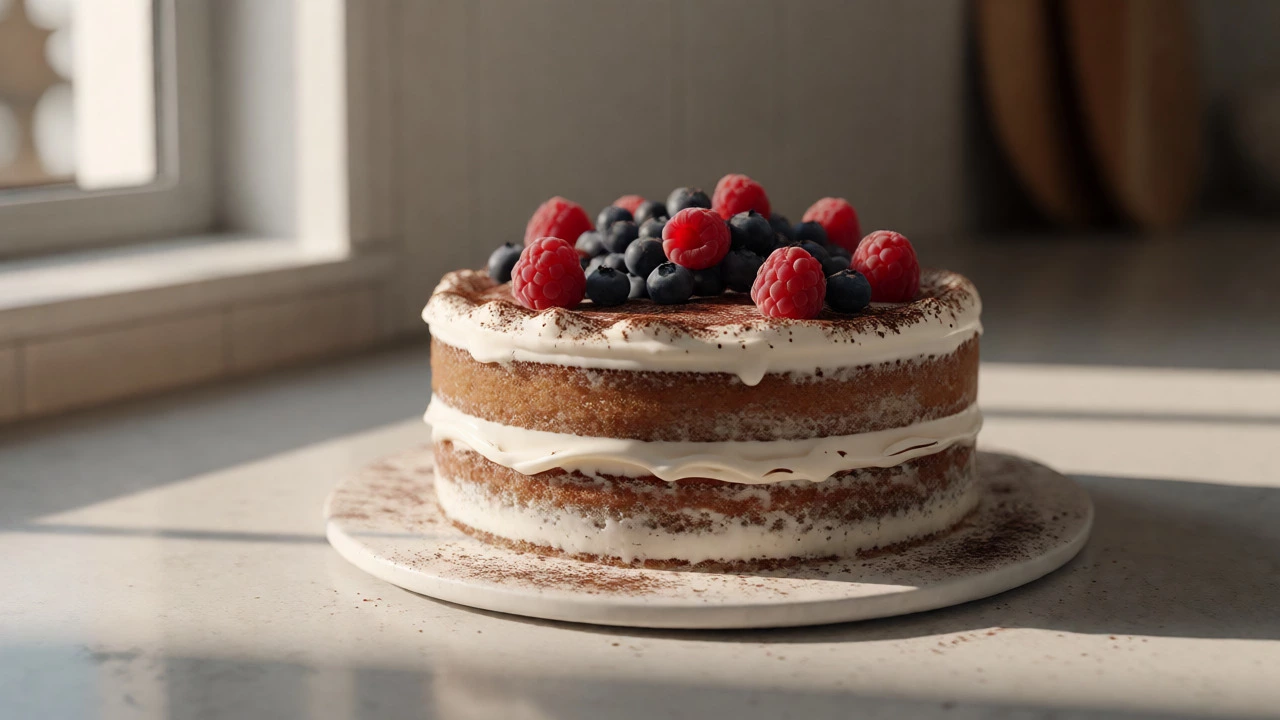
For years, maximalism ruled. We had drip cakes, glitter dust, and enough fondant figures to stock a toy store. But in 2026, the pendulum has swung hard toward minimalism. Think "quiet luxury." This trend borrows from fashion and interior design, focusing on clean lines, high-quality ingredients, and subtle elegance rather than visual clutter.
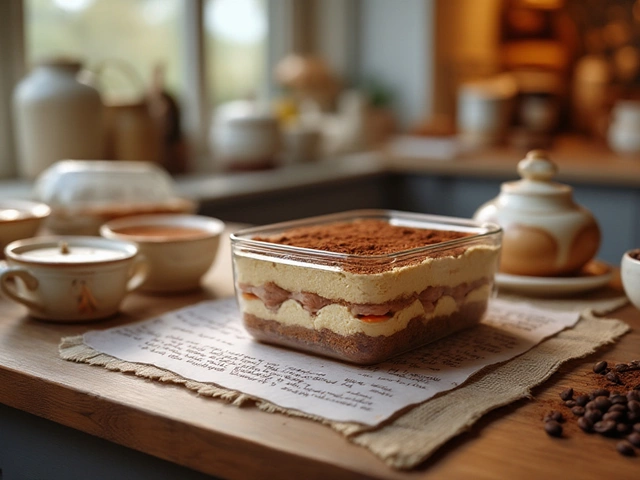
You’ll see this in naked cakes where the layers are visible, held together by thin, delicate ganache instead of thick frosting. Or perhaps a single-tier sponge dusted lightly with cocoa powder, served with fresh berries that haven’t been touched by gelatin glaze. The message here is confidence. You don’t need to hide the cake behind decorations because the flavor profile is so good it speaks for itself.
This shift also reflects a broader fatigue with over-stimulation. After a decade of loud visuals, people want calm. A cake that looks like it belongs in a modern art gallery is currently outperforming one that looks like a children’s playroom in terms of perceived value.
Sustainability Is No Longer Optional
It used to be that eco-friendly baking was a niche concern. Now, it’s a baseline expectation. When customers ask about the latest trends, half of them are actually asking about sourcing. They want to know if the eggs were free-range, if the chocolate is fair-trade, and if the packaging creates landfill waste.
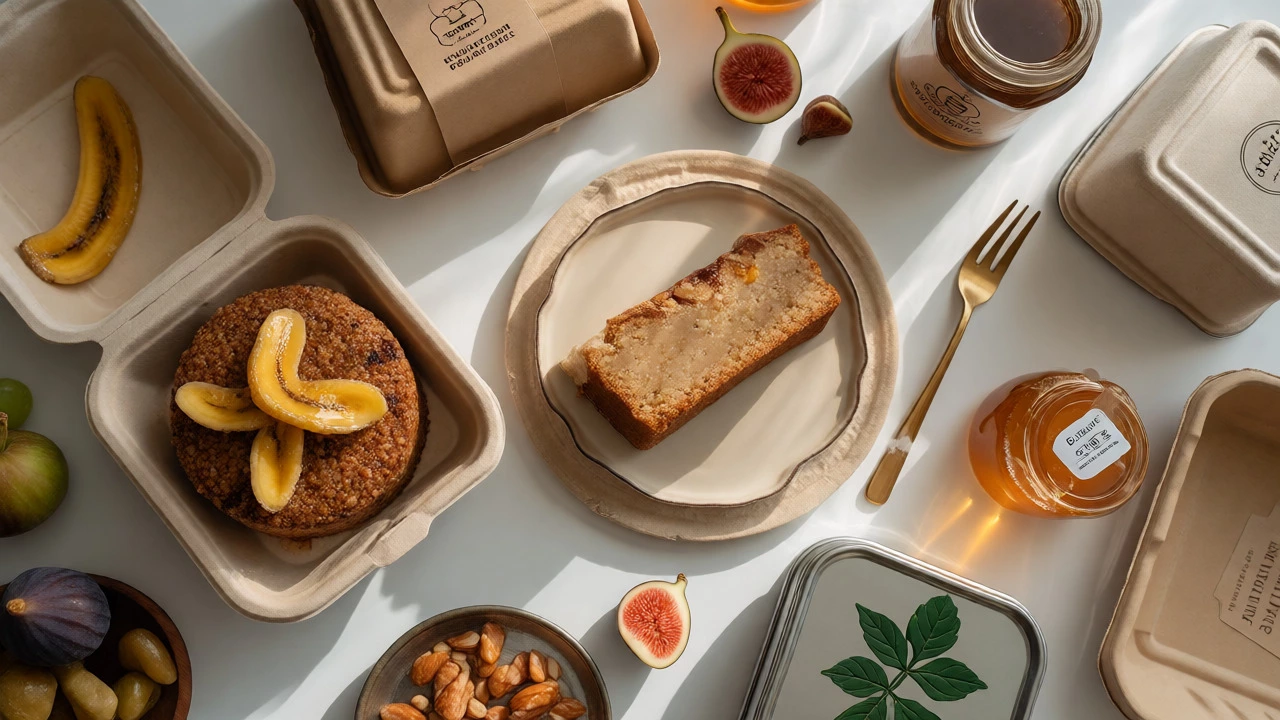
In Auckland, where I live, local bakeries have leaned heavily into this. We’re seeing a rise in "zero-waste" cakes. This means using every part of the ingredient. Carrot tops go into pesto garnishes. Banana peels are candied for decoration. Even the cake boxes are made from compostable materials or reusable tins.
| Practice | Traditional Approach | 2026 Trend |
|---|---|---|
| Packaging | Plastic domes, non-recyclable boxes | Compostable fiber boxes, reusable tins |
| Ingredients | Mass-produced vanilla extract | Local honey, seasonal fruit infusions |
| Waste | Trim discarded | Trims repurposed into truffles or crumbs |
If you’re ordering a cake, don’t be afraid to ask about sustainability. It’s a valid question now. Bakeries that can answer it confidently are winning customer loyalty.
Vintage Piping Makes a Comeback
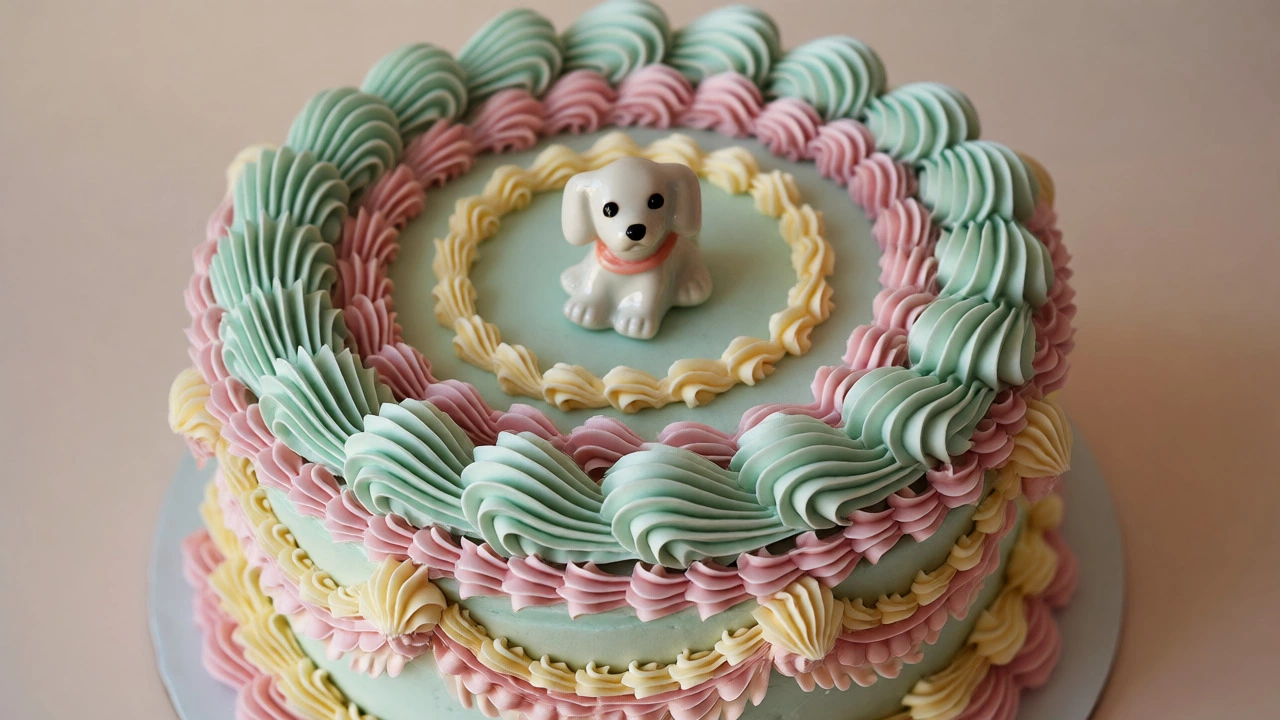
While minimalism dominates the structure, decoration has gone retro. Specifically, 1970s-style piping is back in a big way. Remember those rosettes? The shell borders? The intricate lacework done entirely by hand with a star tip? They’re everywhere again.
Why? Because it feels handmade. In an age of digital printing and edible images, hand-piped buttercream feels authentic. It shows skill. It shows time spent. There’s something comforting about a cake that looks like your grandmother made it, even if it tastes like a modern fusion of matcha and white chocolate.
This trend pairs well with pastel color palettes. Soft yellows, mint greens, and dusty pinks are replacing the neon brights of the early 2020s. The vibe is nostalgic but refined. It’s not kitschy; it’s curated.
Personalization Beyond the Name
Writing "Happy Birthday Dave" in blue icing is basic. Today’s personalization goes deeper. Customers want cakes that reflect specific hobbies, pets, or inside jokes. But they want it done subtly.
Instead of a giant fondant replica of a dog, you might get a small, sculpted ceramic topper placed on top. These toppers are often made by local artists, adding another layer of community support to the purchase. Or perhaps the flavor profile is customized to match the birthday person’s favorite travel destination-like a lemon-olive oil cake inspired by Italy, or a coconut-lime sponge reminiscent of the Caribbean.
This level of detail requires communication between baker and client. It’s not just about picking a flavor from a menu; it’s about co-creating a memory. For bakers, this means higher margins because you’re selling expertise and creativity, not just flour and sugar.
Health-Conscious Without Being Sad
Let’s address the elephant in the room: health. People still want cake, but they’re more aware of their intake. The trend isn’t necessarily "diet cake," but rather "better-for-you" indulgence.
We’re seeing a surge in gluten-free options that don’t taste like cardboard. Almond flour and oat flour bases are becoming standard alternatives, offering moisture and nuttiness that traditional wheat flour sometimes lacks. Similarly, natural sweeteners like maple syrup, dates, or monk fruit are being used to reduce refined sugar content without sacrificing texture.
Crucially, these cakes don’t advertise themselves as "healthy." They just happen to be made with better ingredients. That’s key. Nobody wants to feel like they’re eating punishment dessert. They want to feel smart about their choices while enjoying a genuine treat.
How to Choose the Right Trend for Your Party
With all these options, how do you decide? Here’s a quick guide:
- For the sophisticated host: Go with the "Quiet Luxury" aesthetic. Clean lines, high-quality ingredients, minimal decoration.
- For the eco-conscious guest: Prioritize sustainability. Ask about local sourcing and zero-waste practices.
- For the nostalgic soul: Choose vintage piping and pastel colors. It’s warm, inviting, and visually stunning.
- For the detail-oriented friend: Opt for deep personalization. Custom flavors and artisanal toppers show thoughtfulness.
- For the health-aware crowd: Select a naturally sweetened, alternative-flour base. It satisfies cravings without the guilt trip.
Don’t try to combine all of them. A cake that tries to be everything ends up being nothing. Pick one or two elements that resonate with the birthday person and lean into them.
Frequently Asked Questions
Are drip cakes still popular in 2026?
Drip cakes have declined significantly. They are now considered somewhat dated. The current preference leans toward clean edges, naked cakes, or smooth, matte finishes. While you can still order one, it may signal a lack of awareness of current trends unless done in a very stylized, artistic way.
What are the most popular cake flavors right now?
Complex, savory-sweet profiles are trending. Matcha-white chocolate, olive oil-lemon, salted caramel-hazelnut, and yuzu-curd are leading the pack. Vanilla remains a staple, but usually elevated with bean paste or infused syrups rather than artificial extract.
Is fondant still used in modern birthday cakes?
Fondant usage has dropped sharply. Most consumers prefer buttercream, ganache, or whipped cream because they taste better. Fondant is now mostly reserved for highly structural designs or character cakes, and even then, many bakers use modeling chocolate as a tastier alternative.
How much should I expect to pay for a trendy custom cake?
Prices vary by region, but custom cakes emphasizing sustainability and hand-piped details often cost 20-40% more than standard supermarket cakes. This reflects the labor-intensive nature of vintage piping and the higher cost of ethical, local ingredients.
Can I find vegan versions of these new trends?
Absolutely. Vegan baking has improved dramatically. Aquafaba-based meringues and coconut cream frostings mimic dairy textures closely. Many minimalist and vintage-style cakes are easily adapted to be vegan without compromising the aesthetic or taste.
Write a comment