

Cheesecake Style Selector
Tell us what you're looking for:
Key Features:
Quick Tip:
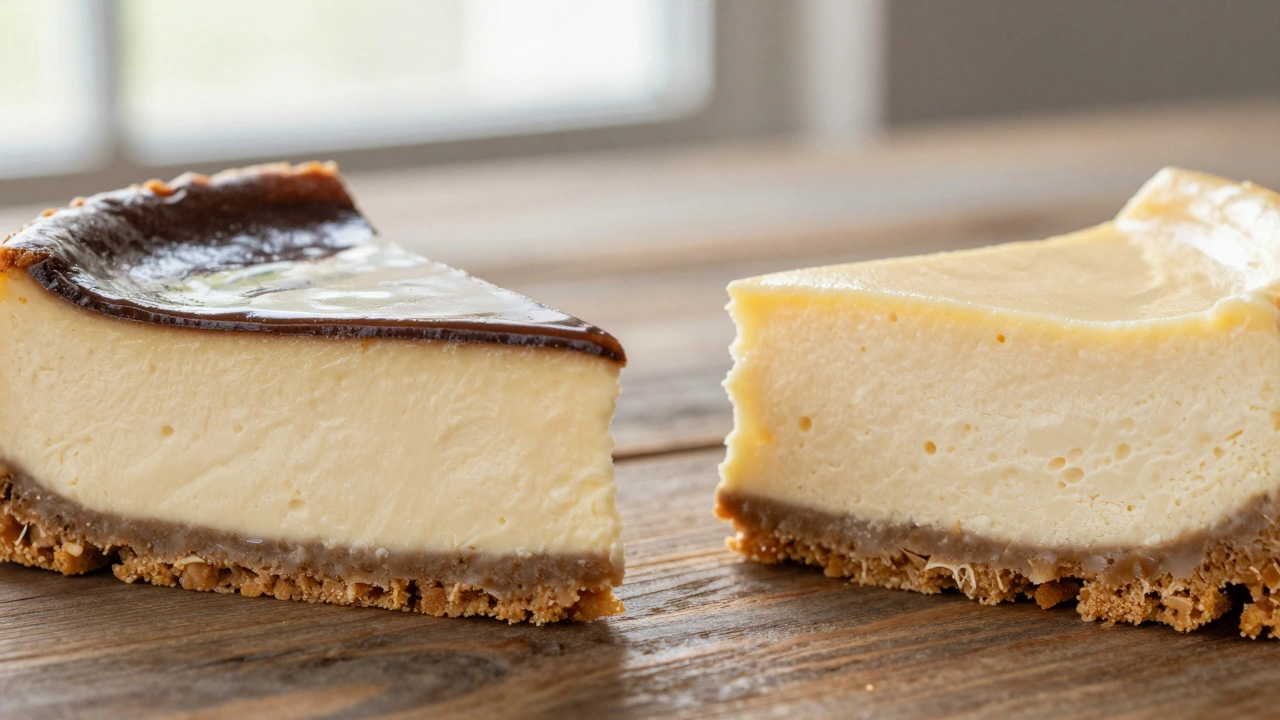
Have you ever taken a bite of a dense, heavy slice at a diner and then tried something light and airy at an Italian restaurant, wondering why they taste so different? It’s not just your imagination. While both desserts share the same name and core ingredients-cheese, sugar, eggs, and crust-their construction is fundamentally different. One is a dense, rich brick of flavor; the other is a delicate, soufflé-like cloud.
Understanding the difference between Italian cheesecake and regular (often called New York-style) cheesecake isn’t just about trivia. It changes how you bake, how you store, and even when you serve it. If you’ve ever had a cracked, rubbery cheesecake or one that tasted too eggy, you might have been trying to apply the wrong technique for the style you were making. Let’s break down exactly what sets them apart, from the cheese bowl to the oven rack.
The Cheese Factor: Cream Cheese vs. Ricotta
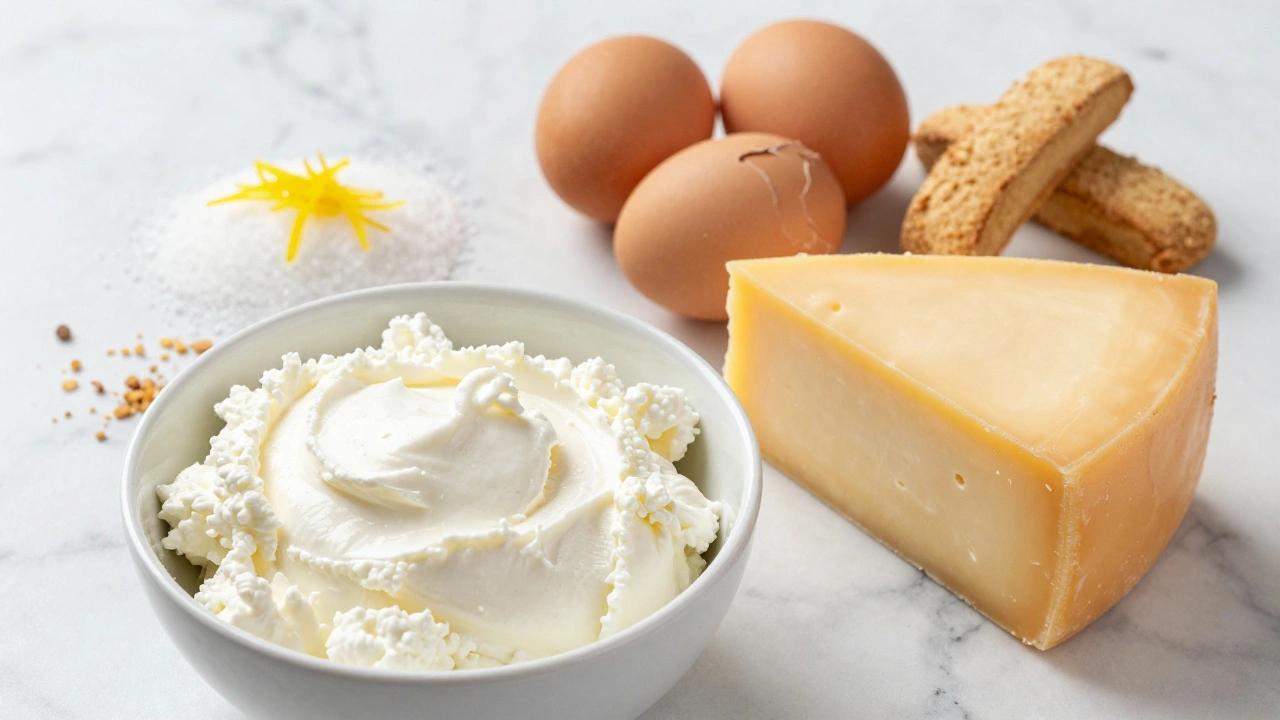
The most obvious difference lies in the primary ingredient. Regular American cheesecake, specifically the New York style that dominates bakeries across the US, relies almost exclusively on cream cheese. Brands like Philadelphia are the gold standard here because they provide a high fat content and a smooth, stable base. This creates that signature dense, heavy mouthfeel that defines the genre.
In contrast, traditional Italian cheesecake uses ricotta cheese as its star player. Sometimes it’s mixed with a small amount of mascarpone or cream cheese for stability, but ricotta provides the bulk of the volume. Ricotta is much lower in fat than cream cheese and has a distinct grainy texture if not processed correctly. This graininess, when blended properly, gives Italian cheesecake a lighter, more rustic feel. It doesn’t have the slick, glossy finish of a New York cake; instead, it has a matte, tender crumb that feels closer to a savory tart than a sweet dessert.
| Feature | New York Style (Regular) | Italian Style |
|---|---|---|
| Primary Cheese | Cream Cheese (high fat) | Ricotta (low fat, drained) |
| Texture Profile | Dense, heavy, smooth | Light, airy, slightly grainy |
| Sweetness Level | High (1+ cup sugar) | Moderate (½-¾ cup sugar) |
| Egg Ratio | Lower (for structure) | Higher (for lift/leavening) |
Texture and Density: Heavy vs. Airy
If you cut into a regular cheesecake, the knife slides through with resistance. The slice holds its shape perfectly on the plate, standing tall and proud. This density comes from the high fat content in the cream cheese and the careful folding of whipped egg whites or the use of sour cream to balance acidity without adding air. It’s a dessert that demands attention and pairs well with strong coffee or red wine because it can stand up to bold flavors.
Italian cheesecake behaves differently. Because ricotta contains less fat and more moisture (even when drained), the batter is lighter. Many Italian recipes call for separating eggs and whipping the whites to stiff peaks before folding them in. This incorporates air bubbles into the mixture, creating a soufflé-like rise. When you take a bite, it melts in your mouth rather than sitting heavily on your tongue. It’s often described as “creamy” in a way that suggests silkiness, whereas New York style is “creamy” in a way that suggests richness.
This textural difference also affects how the cake handles cooling. A dense New York cheesecake needs to cool slowly to prevent cracking, often requiring a water bath. An Italian cheesecake, being more fragile due to its air content, can collapse if handled too roughly or cooled too quickly, but it rarely cracks in the same dramatic way because it’s less rigid.
Baking Techniques: Water Bath vs. Dry Heat
The method you use to bake these cakes is dictated by their chemistry. For a regular New York cheesecake, the goal is gentle, even heat to cook the custard without curdling the proteins. This is why the water bath (bain-marie) is non-negotiable for serious bakers. You wrap the springform pan in foil, place it in a roasting pan, and fill the pan with hot water. This humid environment prevents the top from drying out and cracking while ensuring the center cooks evenly. The bake time is long-often over an hour-and the temperature is low, usually around 300°F (150°C).
Italian cheesecake baking is more forgiving in terms of equipment but requires more attention to timing. Because the batter is lighter and contains whipped egg whites, it rises during baking. If you bake it too long, it will deflate and become dry. Most Italian recipes bake at a slightly higher temperature, around 325°F to 350°F (160°C to 175°C), for a shorter duration, typically 45 to 60 minutes. A water bath is less common because the goal isn’t to create a steam-heavy environment but to set the structure quickly before the air bubbles escape completely.
You’ll also notice a difference in the crust. Regular cheesecakes often use a thick layer of graham cracker crumbs mixed with butter and sugar, creating a crunchy, sweet foundation that contrasts with the dense filling. Italian versions frequently use a thinner crust made from digestive biscuits, amaretti cookies, or even just a simple pastry dough. Some regional variations skip the crust entirely, baking the ricotta mixture directly in a greased dish, which emphasizes the pure flavor of the cheese.
Flavor Profiles: Sweet Richness vs. Subtle Complexity
Taste is where the cultural heritage shines through. Regular cheesecake is undeniably sweet. The high ratio of sugar to cheese balances the tang of the cream cheese, resulting in a flavor profile that is straightforward and indulgent. Toppings like strawberry compote, chocolate ganache, or caramel sauce are standard because the cake itself acts as a neutral, rich canvas for these additions.
Italian cheesecake leans into subtlety. With less sugar, the natural tang of the ricotta comes through more prominently. You’ll often find flavor enhancers that reflect Mediterranean cuisine: lemon zest, orange blossom water, vanilla bean, or a sprinkle of cinnamon. Nuts are also common, with walnuts or almonds folded into the batter or sprinkled on top. The result is a dessert that feels fresher and less cloying. It’s the kind of cake you can eat two slices of without feeling weighed down.
Consider this: if New York cheesecake is a steak dinner, Italian cheesecake is a fresh pasta dish. One is hearty and robust; the other is elegant and nuanced. Both are delicious, but they serve different purposes in a meal.
Storage and Shelf Life: Fridge vs. Counter
How you store these desserts matters for both safety and quality. Because regular cheesecake is made with cream cheese and often includes raw or lightly cooked eggs, it must be refrigerated immediately after cooling. It keeps well in the fridge for up to five days, and the cold temperature actually improves the texture, making it firmer and easier to slice. However, prolonged refrigeration can make the crust soggy if it’s not sealed tightly.
Traditional Italian ricotta cheesecake, especially those made with fully cooked eggs and baked at higher temperatures, can sometimes be stored at room temperature for a day or two, similar to a fruitcake or pound cake. However, modern food safety standards recommend refrigerating any dessert containing dairy and eggs. In the fridge, Italian cheesecake maintains its airy texture better than New York style, which can become overly hard and difficult to cut straight from the refrigerator. Letting an Italian cheesecake come to room temperature for 30 minutes before serving restores its optimal softness.
Which One Should You Make?
Choosing between the two depends on your occasion and your palate. If you’re hosting a party and want a showstopper that looks impressive with clean, sharp edges and a glossy top, go for the regular New York style. It’s sturdy, travels well, and satisfies those who crave intense sweetness and richness. It’s the perfect companion for a glass of merlot or a strong espresso.
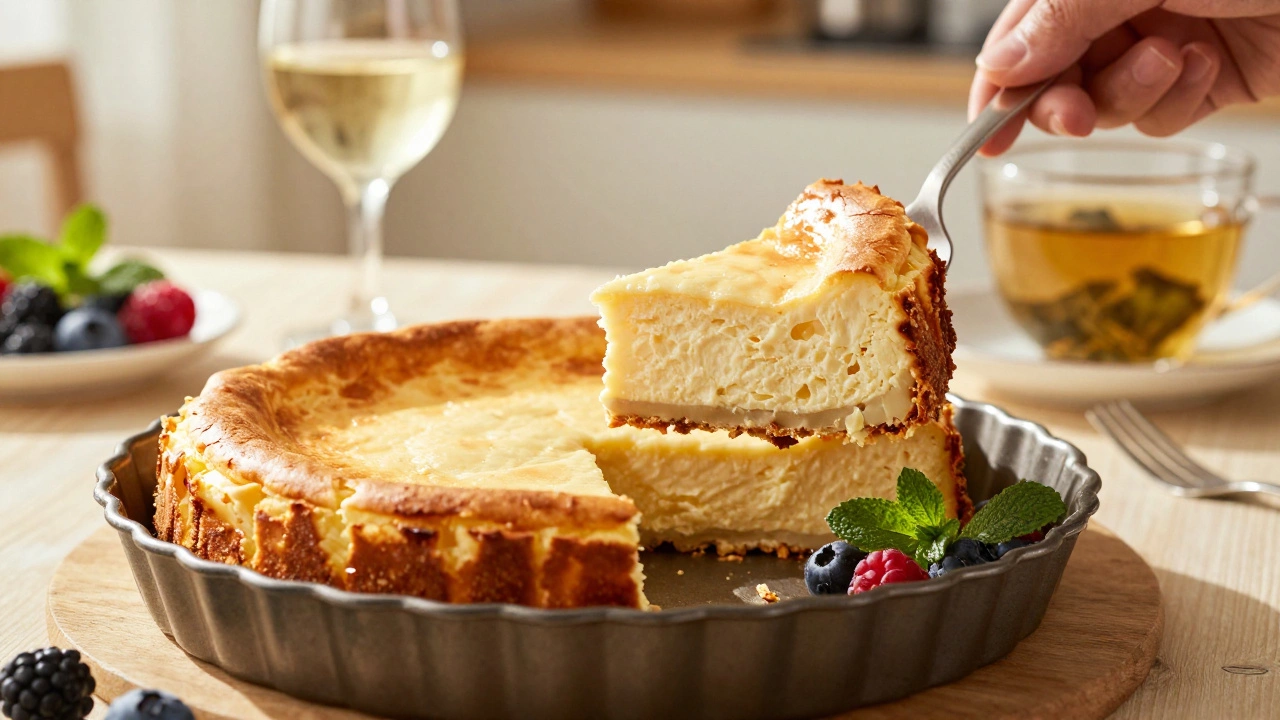
If you’re looking for a dessert for a Sunday family lunch or a light evening treat, Italian cheesecake is the winner. It’s easier to make if you don’t have a water bath setup, and it feels more wholesome. The lighter texture makes it ideal for pairing with herbal teas, white wine, or fresh seasonal fruits like berries and peaches. Plus, the ability to customize with citrus zests allows you to tweak the flavor to match your mood.
Don’t be afraid to experiment. Some bakers blend the two styles, using half cream cheese and half ricotta to get a middle ground-dense enough to hold its shape but light enough to melt in your mouth. The key is understanding the mechanics: cream cheese brings weight and stability, while ricotta brings air and delicacy. Knowing this lets you control the outcome rather than letting the recipe control you.
Can I substitute cream cheese for ricotta in an Italian cheesecake recipe?
You can, but the texture will change significantly. Cream cheese is denser and fattier, so your cake will lose its airy, soufflé-like quality and become heavier and richer. If you do this, reduce the sugar slightly and consider adding a splash of milk or buttermilk to mimic the moisture content of ricotta.
Why does my Italian cheesecake crack on top?
Cracking usually happens due to rapid temperature changes or overmixing. Since Italian cheesecake relies on whipped egg whites for lift, mixing too vigorously can deflate the air bubbles, causing uneven rising. Also, opening the oven door too early or cooling the cake too quickly can cause the structure to contract and crack. Let it cool in the turned-off oven with the door ajar for an hour.
Do I need a water bath for Italian cheesecake?
No, a water bath is generally not required for Italian cheesecake. The batter is lighter and bakes faster than New York style. Using a water bath might introduce too much moisture, preventing the top from setting properly. Bake it directly on the middle rack of your oven.
What is the best crust for Italian cheesecake?
While graham crackers work, traditional Italian recipes often use crushed amaretti cookies, digestive biscuits, or hazelnuts mixed with butter. These add a nutty, slightly sweet crunch that complements the mild ricotta filling better than the sugary graham cracker crust.
Can I freeze Italian cheesecake?
Yes, but it’s trickier than freezing New York style. Because the texture is delicate, freezing can make it watery upon thawing. If you must freeze it, wrap individual slices tightly in plastic wrap and then foil. Thaw in the refrigerator overnight. Avoid refreezing, as the air pockets will collapse permanently.



Write a comment