

Cheesecake Dairy Substitution Calculator
Your Modified Recipe
Important Baking Tips
Adjust baking time and temperature based on the method chosen.
You’re halfway through making a classic New York-style cheesecake when you realize you’re out of heavy cream. You stare into the fridge and spot a can of evaporated milk pushed to the back. Panic sets in. Can you just swap them? Will your cheesecake turn into a watery mess or a dense brick?
The short answer is yes, but it’s not a simple one-to-one swap without tweaking your method. While both are concentrated dairy products, they behave differently under heat and acid. If you get this wrong, you lose that signature creamy texture we all crave. Here’s exactly how to make evaporated milk work for your cheesecake without sacrificing quality.
Understanding the Dairy Differences
To know if the swap works, you need to understand what these two ingredients actually are. They look similar-both are pale, thickish liquids-but their chemical makeup is distinct.
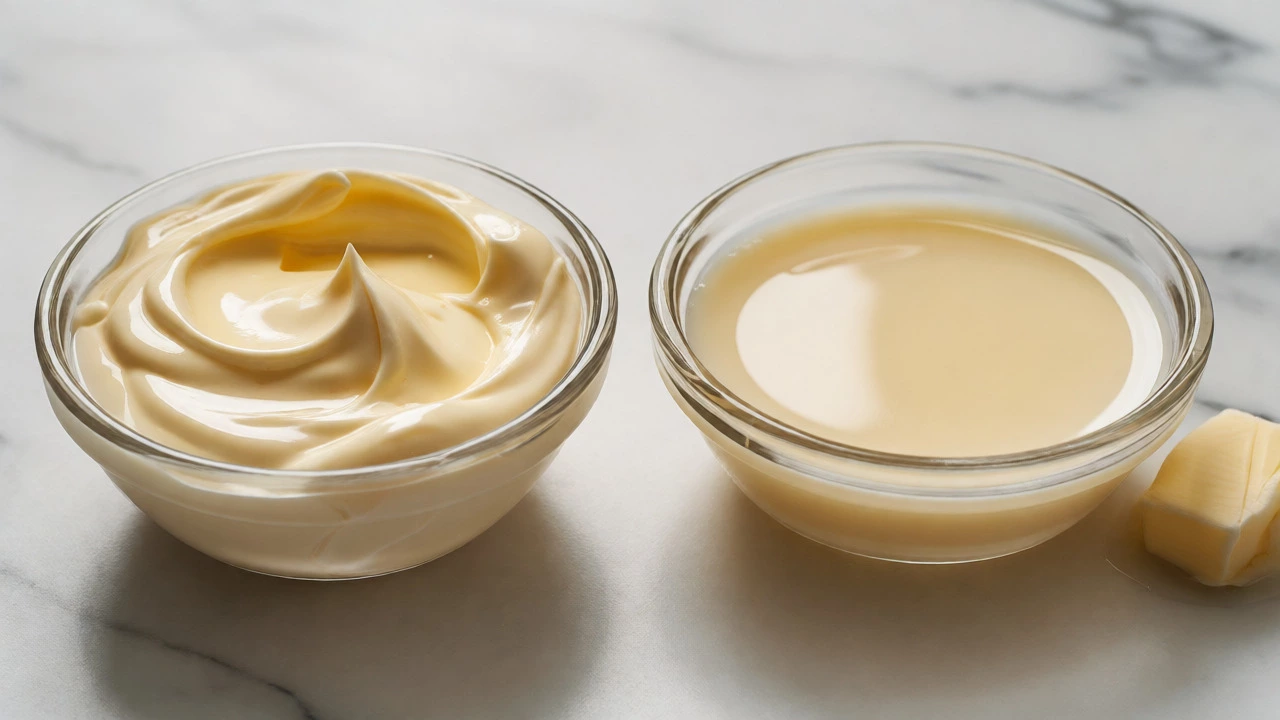
Heavy cream is defined by its fat content. In most countries, including New Zealand and the US, it contains at least 36% milk fat. This high fat content is crucial for cheesecake because fat coats the protein structures in eggs and cheese, preventing them from tightening too much during baking. It creates tenderness and richness. It also helps emulsify the batter, ensuring a smooth, uniform texture.
Evaporated milk, on the other hand, is regular whole milk with about 60% of its water removed. It typically has only 7-8% milk fat. Because the water is gone, it’s more concentrated than fresh milk, but it lacks the luxurious mouthfeel of heavy cream. It provides body and dairy flavor, but it doesn’t have the structural integrity that fat provides.
This difference matters because cheesecake relies on a delicate balance. The eggs set the structure, the sugar sweetens, and the dairy adds moisture and richness. Removing the fat removes the "cushion" that keeps the crumb tender.
Why You Might Want to Make the Swap
There are legitimate reasons to reach for that can of evaporated milk instead of buying cream. Maybe you’re watching your calorie intake. Heavy cream is calorie-dense, packing around 50 calories per tablespoon compared to roughly 10 for evaporated milk. For those counting macros, this is a significant difference.
Or perhaps you’re dealing with availability issues. In some regions, heavy cream might be sold out or expensive due to supply chain hiccups. Evaporated milk has a long shelf life and is often stocked in pantry aisles rather than refrigerated sections, making it a reliable backup.
Some bakers also prefer the slightly caramelized note that evaporated milk brings. During the canning process, the milk undergoes a mild Maillard reaction, giving it a deeper, cooked-milk flavor. In a vanilla bean cheesecake, this can add an unexpected complexity that pairs well with graham cracker crusts.
How to Substitute Evaporated Milk for Heavy Cream
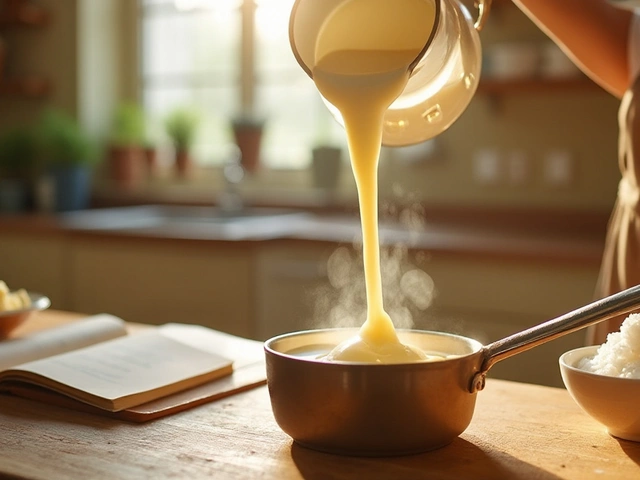
If you decide to use evaporated milk, do not pour it straight into your batter expecting identical results. You need to compensate for the missing fat. Here are three methods, ranked by effectiveness.
Method 1: The Butter Boost (Best for Texture)
This is the closest you’ll get to the original recipe. Since evaporated milk lacks fat, you add it back manually using unsalted butter.
- The Ratio: For every 1 cup of heavy cream required, use 1 cup of evaporated milk plus 2 tablespoons of melted, cooled unsalted butter.
- The Process: Melt the butter gently and let it cool to room temperature. Whisk it thoroughly into the evaporated milk until fully emulsified. Then proceed with your recipe as usual.
- Why it works: The butter restores the fat percentage closer to that of heavy cream, helping to tenderize the egg proteins and create a smoother mouthfeel.
Method 2: Direct Substitution (For Lighter Cheesecakes)
If you want a lighter, less rich dessert, you can skip the butter. Use a 1:1 ratio of evaporated milk to heavy cream.
- The Result: Your cheesecake will be firmer and less creamy. It might taste slightly "eggy" because there’s less fat to mask the flavor.
- Adjustment: Reduce the baking time by 5-10 minutes. With less fat, the proteins coagulate faster, increasing the risk of cracking or over-baking.
Method 3: The Thickener Hack
If you don’t have butter but want extra thickness, add 1 teaspoon of cornstarch per cup of evaporated milk. This helps stabilize the mixture, though it won’t replicate the richness of fat.
Impact on Taste and Texture
Let’s be honest: it won’t taste exactly like a heavy cream cheesecake. But is it bad? No. It’s different.
Texture-wise, expect a denser crumb. Heavy cream creates air pockets and softness; evaporated milk creates solidity. Think of it like the difference between a custard and a flan. Both are delicious, but they offer different experiences. If you like your cheesecake firm enough to slice cleanly without sagging, you might actually prefer the evaporated milk version.
Flavor-wise, the dairy taste is still present, but it’s sharper. The lack of fat means your tongue detects acidity and sweetness more directly. If your recipe uses lemon juice or sour cream, the tang might come forward more prominently. To balance this, consider adding a half-teaspoon of vanilla extract or a pinch of salt to round out the flavors.
| Attribute | Heavy Cream | Evaporated Milk |
|---|---|---|
| Milk Fat Content | 36%+ | 7-8% |
| Calories (per cup) | ~800 kcal | ~340 kcal |
| Texture Outcome | Creamy, Rich, Soft | Dense, Firm, Lighter |
| Flavor Profile | Mild, Neutral | Slightly Caramelized, Tangy |
| Baking Risk | Low (stable) | Moderate (can curdle if overheated) |
| Best For | New York Style, Indulgent Desserts | Lighter Diets, Pantry Baking |
Troubleshooting Common Issues
When swapping ingredients, things can go sideways. Here’s how to fix common problems specific to using evaporated milk.
Problem: The batter looks curdled. Don’t panic. Evaporated milk is sensitive to acid. If you add lemon juice or vinegar directly to cold evaporated milk, it might separate. Always mix your wet ingredients (eggs, sugar, milk) first, then fold in the acidic components last. If it looks grainy, whisk vigorously-it usually smooths out once mixed with the cheese.
Problem: The cheesecake cracks on top. This happens more often with lower-fat mixtures because the surface dries out faster. Bake at a lower temperature (around 150°C / 300°F) and avoid opening the oven door during the first hour. Using a water bath is even more critical here than with heavy cream recipes, as the steam keeps the environment humid and prevents rapid surface drying.
Problem: It tastes too "cooked." If the caramelized note is too strong for your liking, try mixing half evaporated milk and half regular whole milk. This dilutes the concentration while keeping the convenience of having canned goods on hand.
Which Cheesecakes Work Best?
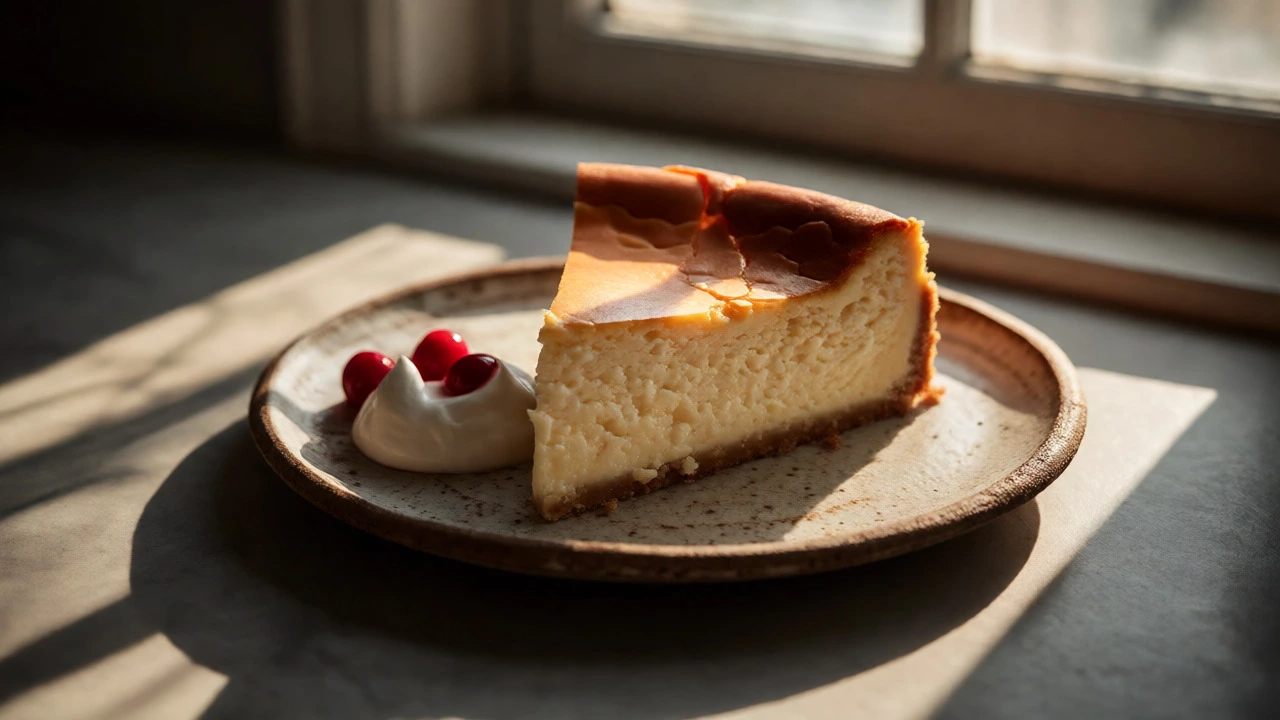
Not all cheesecakes react the same way to this substitution. Some styles are more forgiving than others.
No-Bake Cheesecakes: These are excellent candidates. Since there’s no baking involved, you don’t have to worry about curdling or cracking. However, because evaporated milk is thinner than whipped cream, your filling might be softer. Chill it longer-overnight is best-to ensure it sets firmly. You may need to increase the amount of gelatin or cream cheese slightly to maintain structure.
New York Style: This style relies heavily on richness. Using the "Butter Boost" method is essential here. Without added fat, a NY cheesecake made with evaporated milk can feel dry in the mouth. If you’re strict about authenticity, stick to heavy cream. If you’re flexible, the butter trick gets you 90% of the way there.
Fruit-Topped or Berry Swirl Cheesecakes: These are great for evaporated milk. The fruit acids already cut through the richness, so the lighter dairy base complements the tart berries better than heavy cream might. The denser texture also supports heavy fruit toppings without collapsing.
Final Verdict: Should You Do It?
Can you use evaporated milk instead of heavy cream in cheesecake? Absolutely. Is it a perfect replacement? Not quite, but it’s a viable workaround that produces a tasty result.
If you value richness and luxury, buy the heavy cream. If you want a lighter option, are low on groceries, or enjoy a firmer bite, evaporated milk is a solid choice. Just remember to adjust for the missing fat with butter or accept a denser texture. Baking is about experimentation, and sometimes the "mistake" leads to a new favorite recipe.
Does evaporated milk make cheesecake taste metallic?
No, it shouldn't. Any metallic taste usually comes from the can itself if the lining is damaged or if the milk has been stored in the open can in the fridge for too long. Always transfer leftover evaporated milk to a glass container before refrigerating. Freshly opened cans should taste clean and mildly sweet.
Can I use condensed milk instead of evaporated milk?
Yes, but you must reduce the sugar in your recipe significantly. Sweetened condensed milk has a huge amount of added sugar. If you use it as a direct substitute for heavy cream, your cheesecake will be excessively sweet. Typically, reduce the granulated sugar in the recipe by half if using condensed milk.
Will my cheesecake fall if I use evaporated milk?
It’s less likely to fall dramatically than a soufflé, but it may sink slightly in the center as it cools. This is normal for cheesecakes. To minimize sinking, avoid over-beating the batter, which incorporates too much air. Mix ingredients on low speed just until combined.
Is evaporated milk keto-friendly?
Not really. While it has fewer carbs than sweetened condensed milk, it still contains natural lactose sugars. One cup has about 12 grams of carbs. Heavy cream has only about 3 grams per cup. For strict keto diets, heavy cream is the superior choice.
Can I freeze cheesecake made with evaporated milk?
Yes, but the texture may become slightly grainier upon thawing compared to heavy cream versions. The lower fat content makes the ice crystals more noticeable. Thaw slowly in the refrigerator overnight to preserve the best possible texture.




Write a comment