

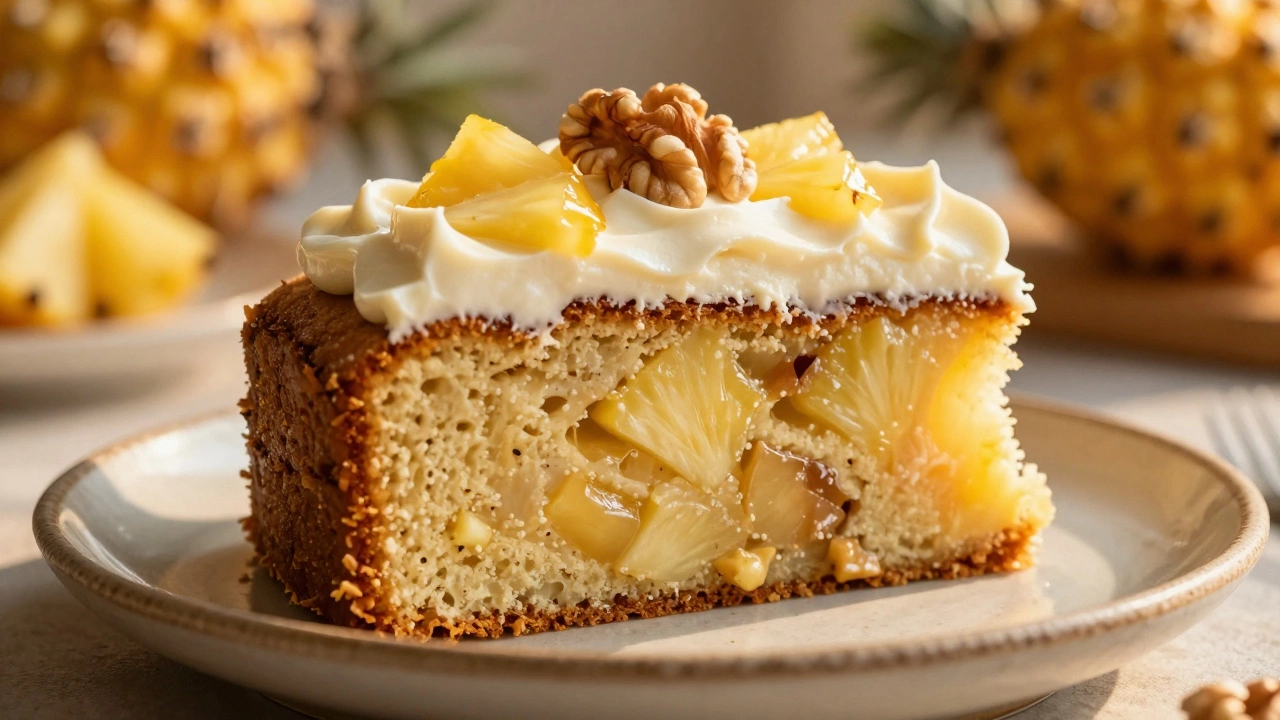
Hummingbird Cake Name Decoder
Click on one of the three leading theories about the name's origin to see the details.
The Migration Connection
Hummingbirds are migratory birds that travel thousands of miles between North America and Central/South America. This mirrors the journey of the ingredients—pineapple and bananas—traveling from the tropics to the American South.
Have you ever taken a bite of that incredibly moist, spice-laden cake loaded with walnuts and cream cheese frosting, only to wonder why it shares its name with a tiny, high-speed bird? It’s a question that comes up at almost every Southern potluck. You’re standing there, fork in hand, looking at a slice that looks more like a dense banana loaf than anything avian, asking yourself: what is the connection?
The answer isn’t about the bird’s appearance or its speed. Instead, it’s a story about migration, tropical ingredients, and a specific moment in American culinary history during the late 1960s. To understand the name, we have to look past the batter and into the culture of the American South.
The Tropical Roots of a Southern Classic
First, let’s clear up a common misconception. Hummingbird cake is a popular American dessert featuring bananas, pineapple, pecans, and spices, typically frosted with cream cheese icing. If you look at the ingredient list, you might think this belongs in Hawaii or Florida. After all, who grows ripe plantains and fresh pineapples in Kentucky or Tennessee?
In the mid-20th century, these ingredients were considered exotic luxuries. Pineapple was canned and shipped from tropical regions, while bananas became widely available in American grocery stores post-WWII. This accessibility allowed home cooks in the Deep South to experiment with flavors that felt far away from their daily lives. The combination of sweet fruit and warm spices like cinnamon and nutmeg created a flavor profile that was both comforting and adventurous.
The texture is key here. Unlike a light angel food cake or a dry pound cake, hummingbird cake is dense and heavy. It relies on the moisture from crushed pineapple and mashed bananas to stay soft for days. This density mimics the rich, energy-packed diet of actual hummingbirds, which consume nectar and insects to fuel their rapid metabolism. While this biological parallel is likely a retrospective explanation rather than the original intent, it adds a layer of poetic logic to the name.
The Great Name Debate: Hummingbird vs. Banana Pudding Cake
If you travel across state lines, you’ll find that this cake has a twin. In parts of the Midwest and even some Southern states, the exact same recipe is known as "Banana Pudding Cake" or simply "Southern Banana Cake." So, where did the bird come in?
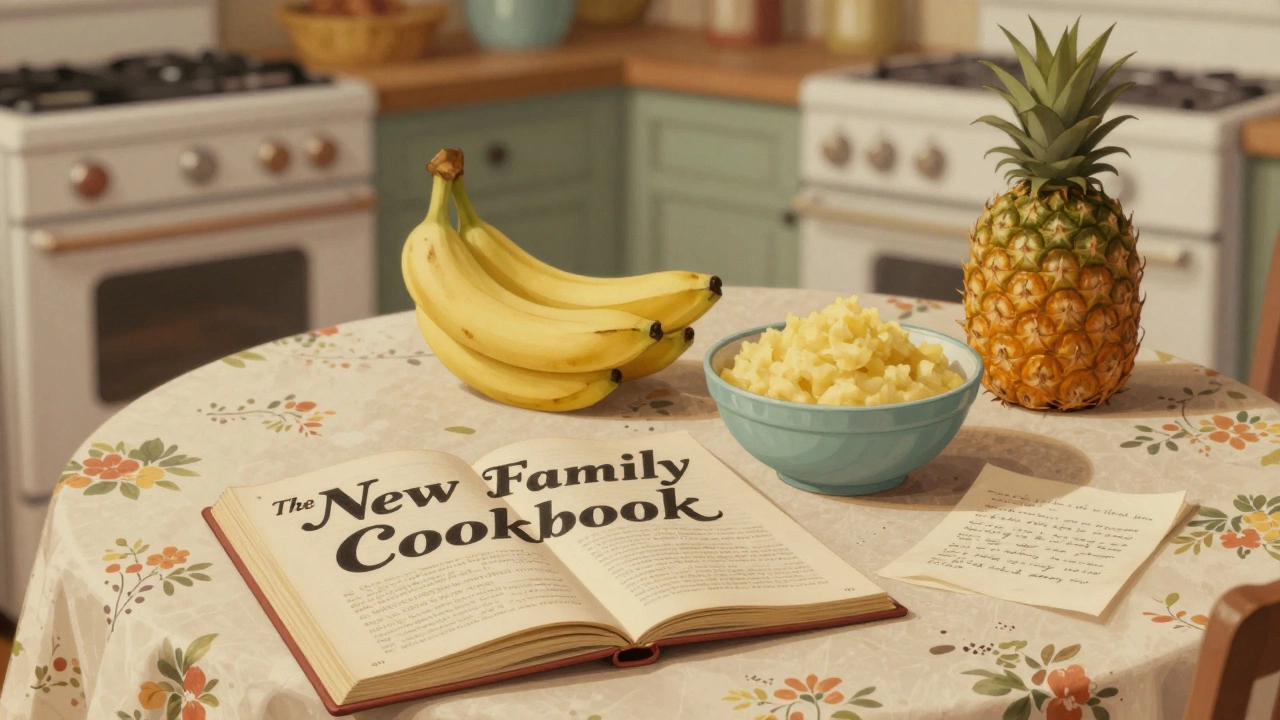
The most credible theory points to Betty Crocker is a brand owned by General Mills that publishes cookbooks and recipes. In 1978, Betty Crocker published a cookbook titled *The New Family Cookbook*. Inside, they featured a recipe explicitly labeled "Hummingbird Cake." Before this publication, the recipe circulated in church bulletins, community newsletters, and handwritten cards under various names. By giving it a distinct, catchy title, Betty Crocker standardized the name for millions of households.
However, the timeline gets fuzzier if you dig deeper. Some culinary historians argue that the name appeared in regional magazines as early as the 1960s. There are claims that a bakery in Atlanta first served it under this name, but documentation is scarce. What we do know is that the name stuck because it sounded whimsical and unique compared to the generic "banana cake."
Why the Bird? Decoding the Symbolism
Let’s break down the possible reasons why "Hummingbird" was chosen over other animal names. Was it random? Probably not. Here are the three strongest theories:
- The Migration Connection: Hummingbirds are migratory birds. Many species travel thousands of miles between North America and Central/South America. This mirrors the journey of the ingredients themselves-pineapple and bananas traveling from the tropics to the American South. The cake represents a convergence of distant places, much like the bird’s flight path.
- The Energy Metaphor: Hummingbirds burn calories at an incredible rate. They need constant fuel. Eating a slice of this calorie-dense, sugar-rich cake provides a similar burst of energy. It’s a humorous nod to the fact that one slice will keep you full (and buzzing) for hours.
- Aesthetic Appeal: In the 1960s and 70s, naming food after nature was trendy. Think of "Ladyfingers," "Snowballs," or "Angel Food." "Hummingbird" sounded delicate and elegant, contrasting nicely with the hearty, rustic nature of the cake itself. It made a humble fruit cake sound sophisticated enough for a dinner party.
How Hummingbird Cake Differs from Carrot Cake
You might notice that hummingbird cake looks suspiciously like carrot cake. Both use shredded vegetables/fruits, nuts, spices, and cream cheese frosting. But they are distinct entities. Understanding the difference helps clarify why hummingbird cake needed its own identity.
| Feature | Hummingbird Cake | Carrot Cake |
|---|---|---|
| Primary Fruit/Veg | Mashed Bananas & Crushed Pineapple | Shredded Carrots |
| Nuts | Pecans or Walnuts | Walnuts (traditional) |
| Spice Profile | Cinnamon, Nutmeg, Ginger | Cinnamon, Clove, Ginger |
| Texture | Moist, dense, slightly sticky | Dryer, crumbly, earthy |
| Frosting | Cream Cheese (standard) | Cream Cheese or Buttercream |
The presence of pineapple is the game-changer. Pineapple contains bromelain, an enzyme that can break down proteins. This affects how the cake sets and gives it a tangy brightness that carrot cake lacks. Bananas add sweetness and binding power without the earthiness of carrots. These differences justify a separate name and category.
The Role of Cream Cheese Frosting
You cannot talk about hummingbird cake without mentioning its partner in crime: the frosting. While the cake itself is sweet and fruity, the frosting cuts through that sweetness with acidity and fat. Cream cheese frosting is a dairy-based topping made from cream cheese, butter, powdered sugar, and vanilla.
This pairing wasn’t accidental. In the 1970s, cream cheese became a staple in American baking due to improved distribution and marketing by brands like Philadelphia. The tangy, cool contrast of the frosting balances the warm spices and tropical fruits in the cake. Without it, the cake would be overwhelmingly sweet. With it, the flavors harmonize, creating the complex taste profile that defines the dish.
Regional Variations and Modern Twists
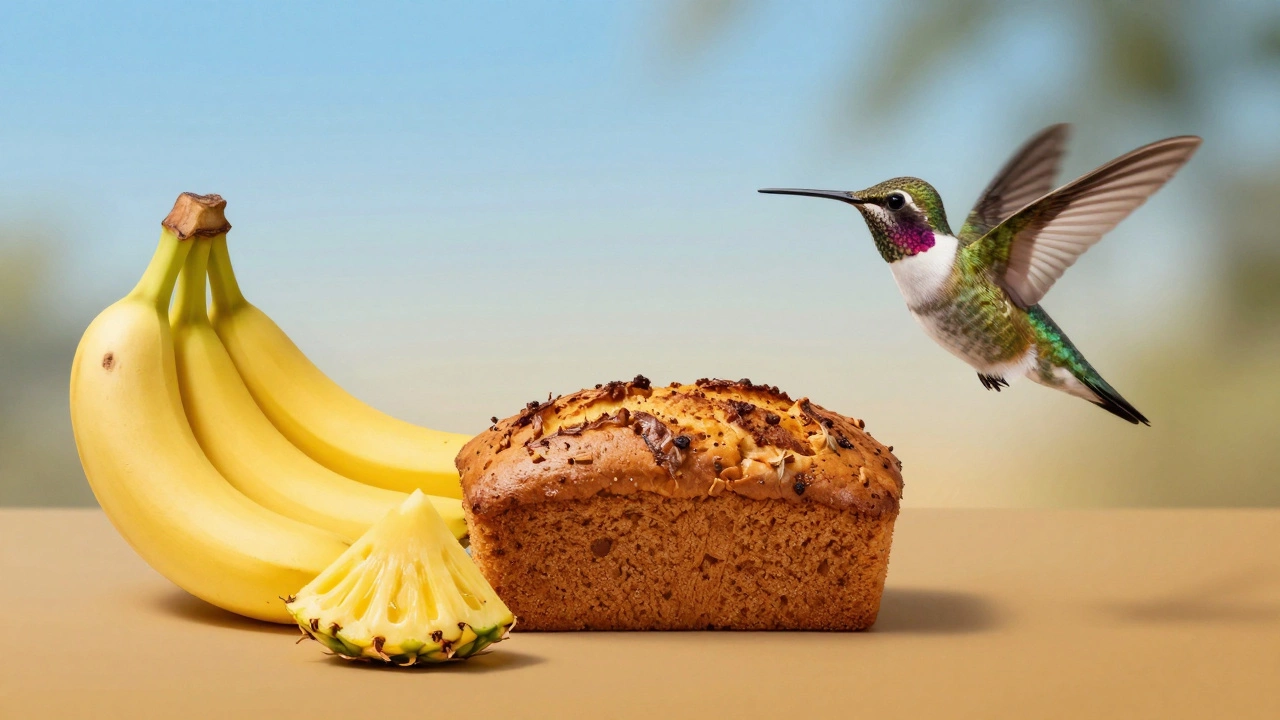
Today, hummingbird cake is a staple at Southern gatherings, from weddings to church suppers. However, recipes vary wildly depending on who is baking. In Texas, you might find more pecans and less pineapple. In Georgia, the banana ratio is higher. Some bakers add coconut, while others skip the nuts entirely for allergy-friendly versions.
Modern chefs are also experimenting with the classic formula. Vegan versions use flax eggs and cashew cream frosting. Gluten-free adaptations use almond flour to maintain moisture. Despite these changes, the core identity remains: a moist, spiced fruit cake that bridges the gap between breakfast pudding and dessert.
Conclusion: A Name That Stuck
So, why is it called hummingbird cake? It’s likely a mix of marketing genius by Betty Crocker, the migratory nature of its ingredients, and a desire for a whimsical name that reflected the cake’s energetic richness. Whether you call it hummingbird cake, banana pudding cake, or just "that delicious fruit cake," the name serves its purpose. It sparks curiosity, invites conversation, and ensures that every time you serve it, someone asks the question that leads us back to this very story.
Is hummingbird cake the same as banana cake?
Not exactly. While banana cake typically uses only bananas, hummingbird cake combines bananas with crushed pineapple, pecans, and spices. The addition of pineapple and the specific spice blend make hummingbird cake distinct in flavor and texture.
Where did hummingbird cake originate?
Hummingbird cake originated in the American South, likely in the 1960s or early 1970s. Its popularity surged after being featured in a 1978 Betty Crocker cookbook, though similar recipes existed in community newsletters prior to that.
Why does hummingbird cake have pineapple in it?
Pineapple adds moisture, acidity, and a tropical flavor that balances the sweetness of the bananas and the warmth of the spices. It also contributes to the cake's signature dense yet tender crumb structure.
Can I make hummingbird cake without nuts?
Yes, you can omit the pecans or walnuts. However, nuts provide crunch and richness. For a nut-free version, consider adding toasted coconut flakes or extra pineapple chunks to maintain texture and flavor depth.
How long does hummingbird cake last?
Because of its high moisture content from bananas and pineapple, hummingbird cake stays fresh for up to 5 days at room temperature if covered tightly. It can also be refrigerated for up to a week or frozen for several months.

Write a comment