What Does Heavy Cream Do in Cheesecake? The Secret to Smooth Texture
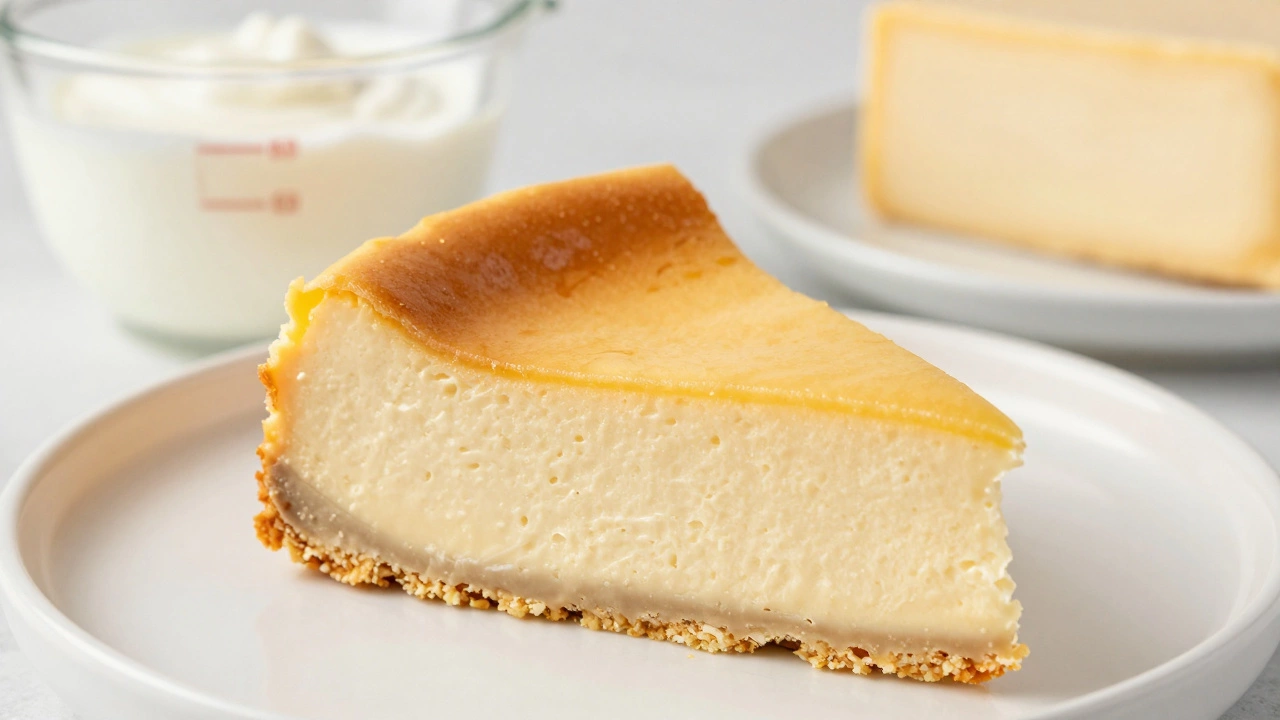
Discover why heavy cream is essential for smooth, crack-free cheesecake. Learn how fat content affects texture, flavor, and stability in baking.

Cheesecake can feel like a mystery, but it doesn’t have to. Whether you’re after a dense New York slice or a light no‑bake version, the right recipe and a few smart tips will give you a smooth, buttery result every time. Below you’ll find quick pointers that work for any style, plus ideas for swapping ingredients when you’re short on something.
Baked cheesecakes get their firm texture from eggs and a gentle water‑bath, while no‑bake versions rely on gelatin or thickened cream to set. If you love a rich, creamy bite and don’t mind a short oven run, go baked. If you need a quick dessert that can chill in the fridge, the no‑bake route saves time and energy. Both methods can be flavored with fruit, chocolate, or coffee – the base stays the same.
One common mistake is over‑mixing the batter. Too much air makes the cake crack when it cools. Mix just until the cream cheese is smooth, then fold in the rest gently. For baked cheesecakes, wrap the pan in foil and place a pan of hot water on the lower rack. This steam trick keeps the edges from drying out and gives you a nice rise.
Want a silkier slice? Swap a small part of the cream cheese for ricotta or mascarpone. The extra fat makes the crumb softer. When a recipe calls for sour cream, you can use Greek yogurt – it adds tang without extra moisture. If you’re out of heavy cream, half‑and‑half works fine, but expect a slightly lighter mouthfeel.
Flour or cornstarch can thicken the filling. Flour gives a sturdier structure, while cornstarch yields a lighter feel. Use about one tablespoon of either for an 8‑inch cake. And never forget the crust: graham crackers mixed with melted butter and a pinch of sugar create a buttery base that holds up under any topping.
Now that you know the basics, pick a recipe that matches your schedule and taste. Bake a classic New York cheesecake for a dinner party, or whip up a lemon no‑bake version for a summer picnic. With these simple tricks, you’ll stop guessing and start serving perfect cheesecake every time.
Discover why heavy cream is essential for smooth, crack-free cheesecake. Learn how fat content affects texture, flavor, and stability in baking.
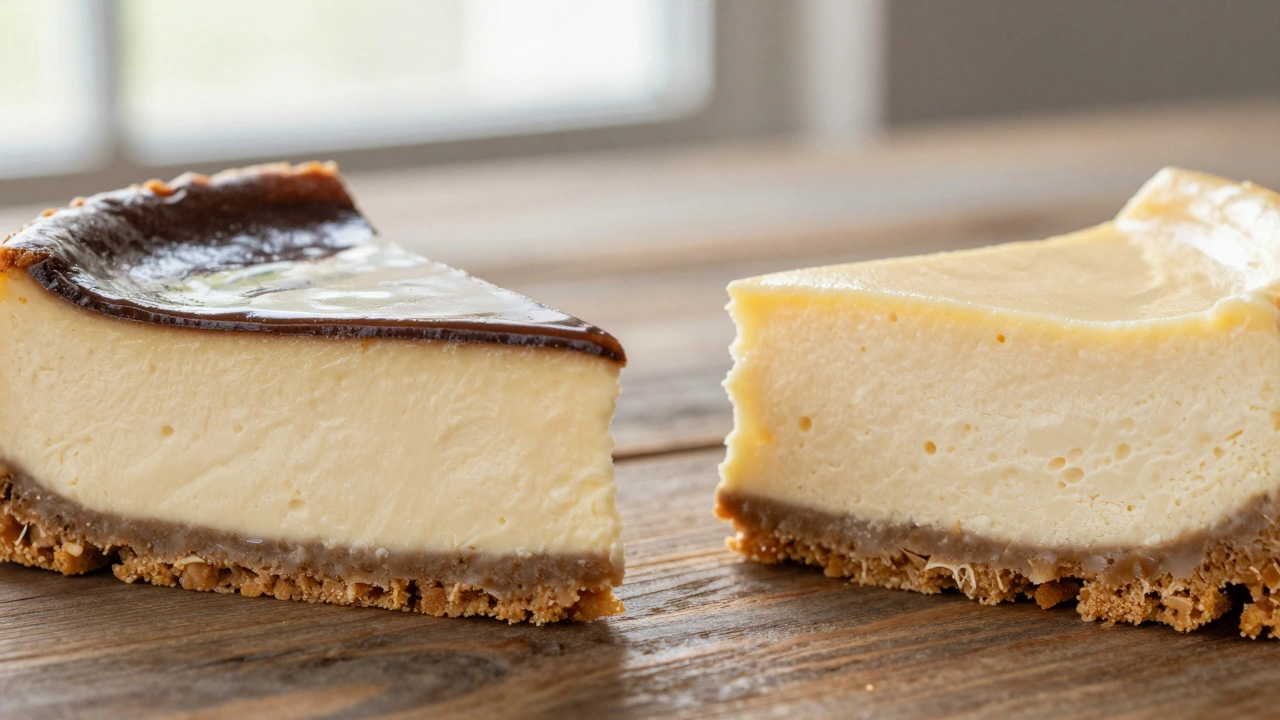
Discover the key differences between Italian and regular cheesecake. From ricotta vs cream cheese to baking techniques, learn how texture, taste, and methods define each style.
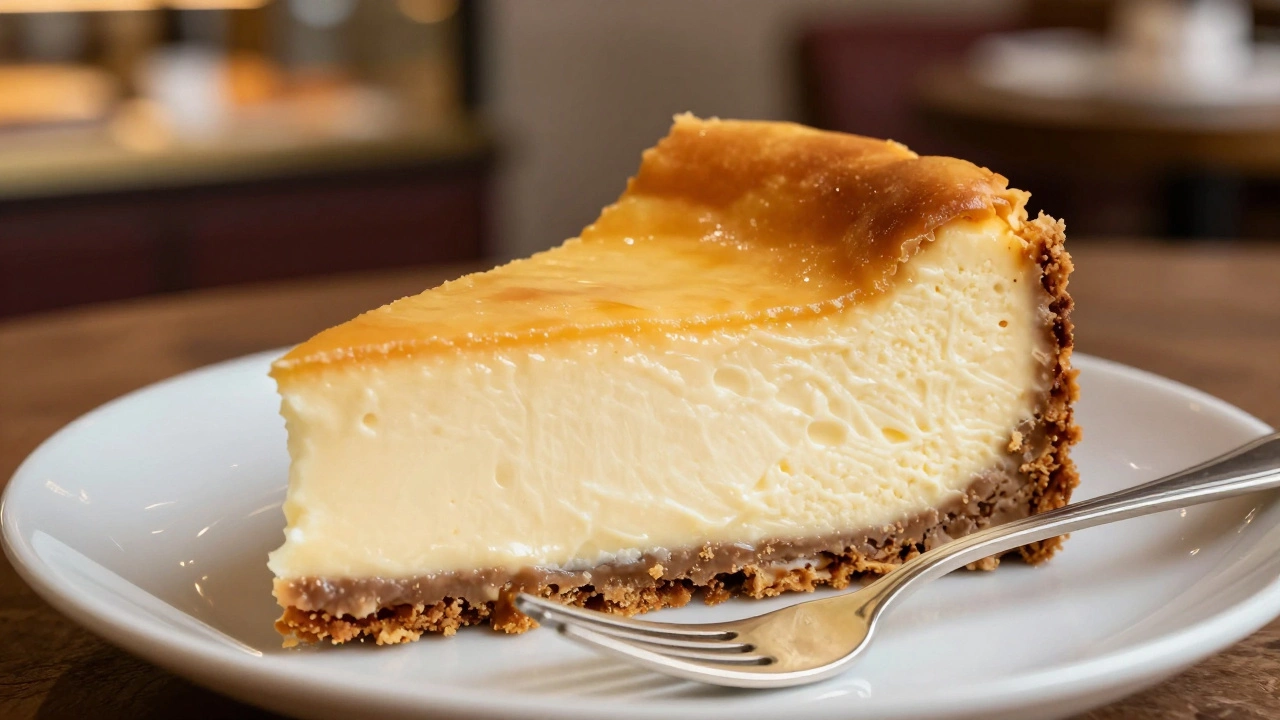
Discover which state makes the best cheesecake. We compare the dense New York style, historic Pennsylvania Dutch recipes, and creamy Wisconsin dairy options to help you find your perfect slice.
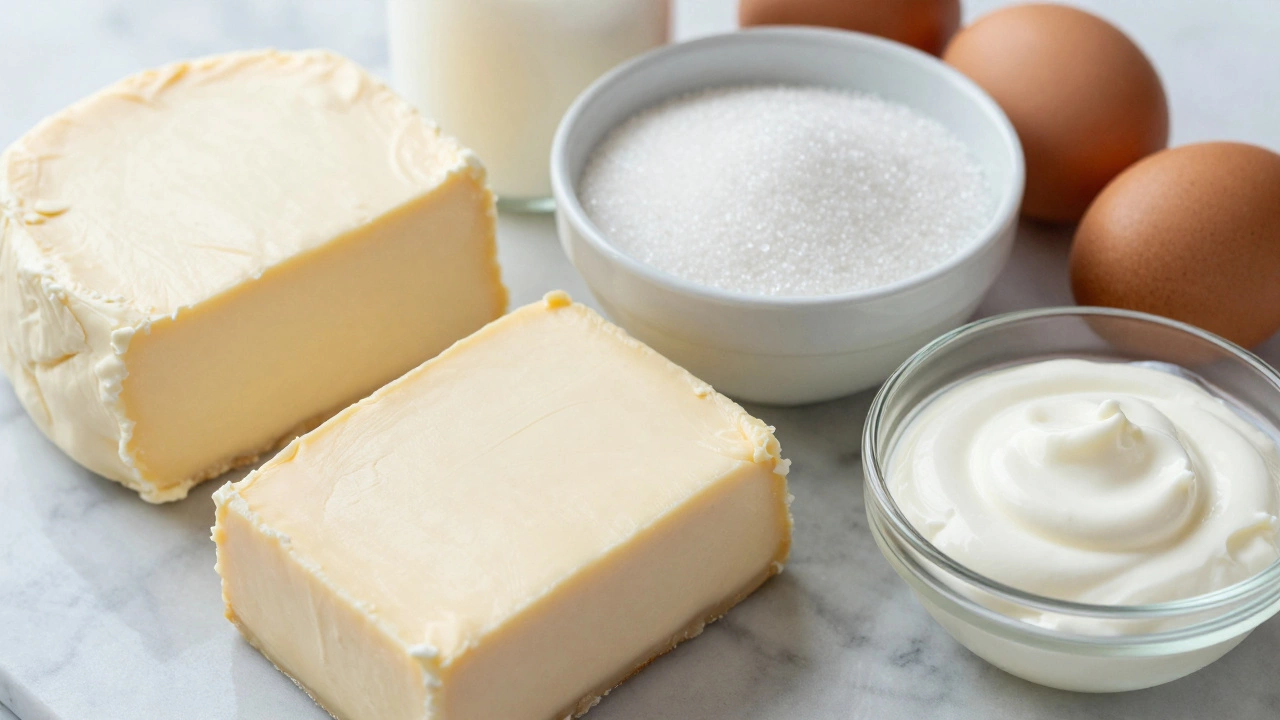
Discover the exact ingredients and baking secrets behind a real New York cheesecake, from the cream cheese ratio to the essential water bath technique.
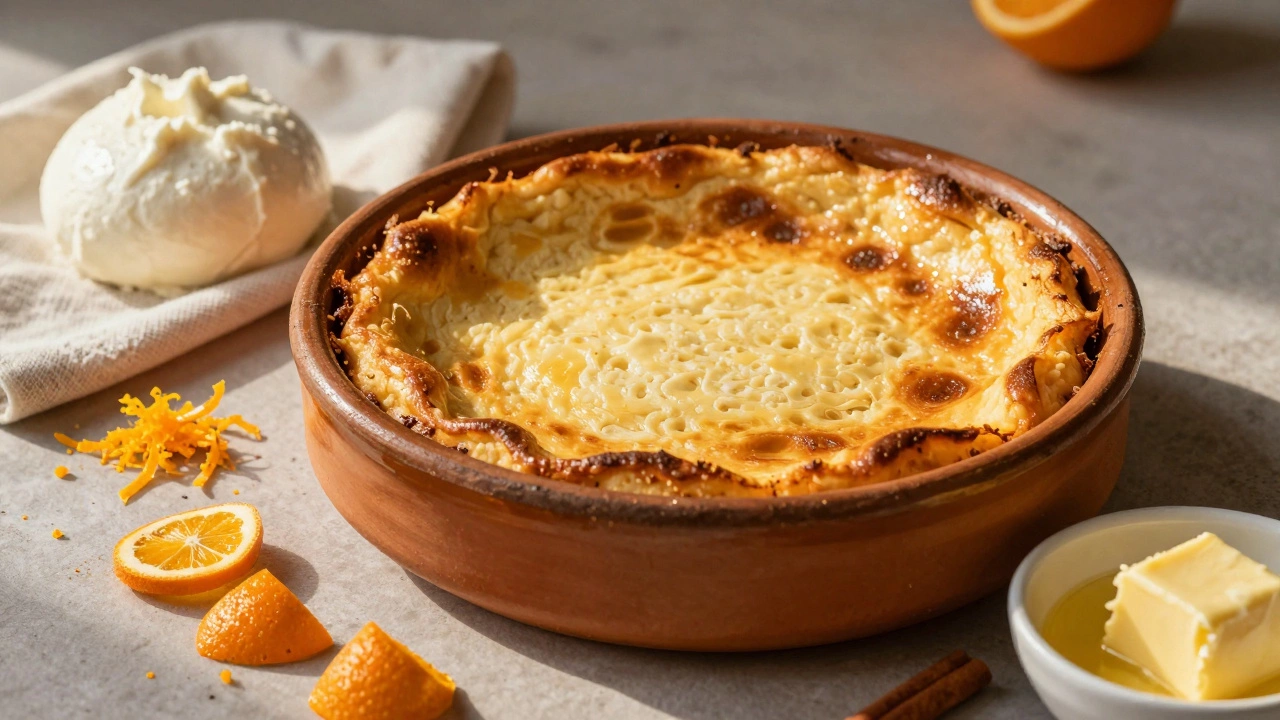
Sicilian cheesecake is a dense, citrusy dessert made with ricotta cheese, candied citrus, and cinnamon. Unlike creamy New York-style cheesecake, it has no cream cheese or eggs and features a thin butter crust. A traditional Sicilian treat with deep regional roots.
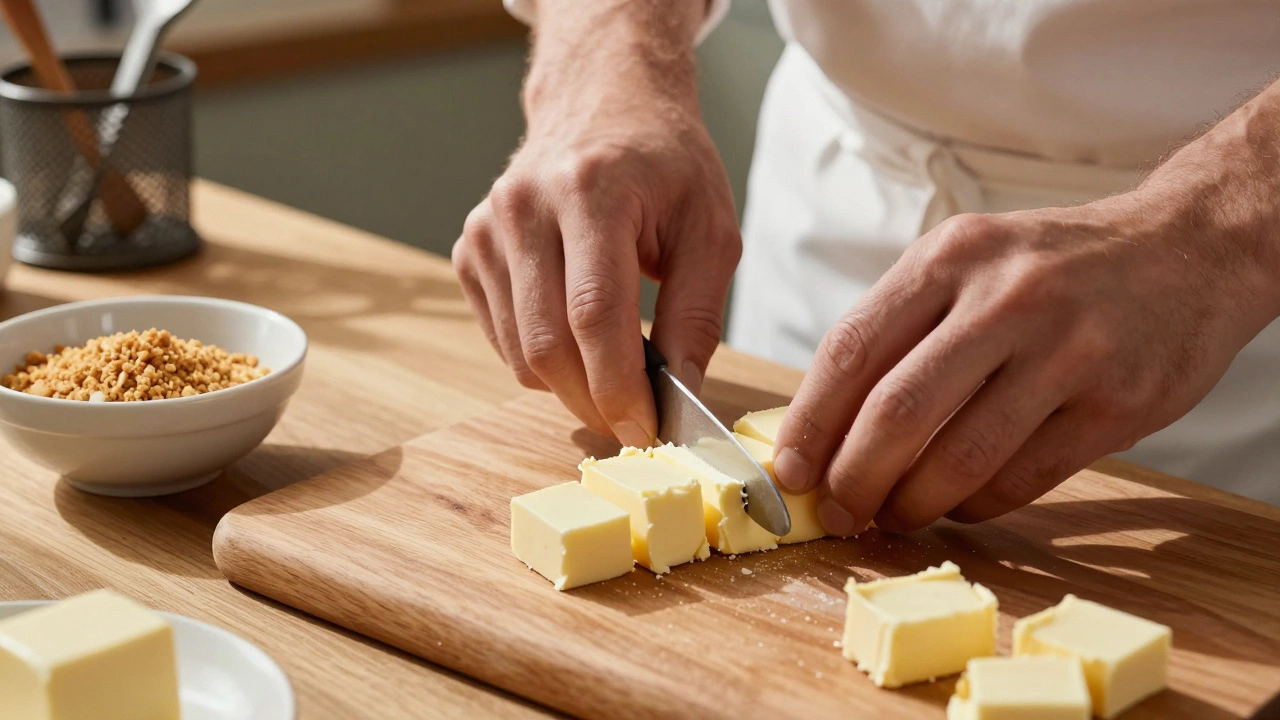
The best butter for cheesecake is unsalted, European-style with 82%+ fat. It creates a smoother filling, prevents cracks, and enhances flavor. Avoid salted butter, margarine, or plant-based alternatives.
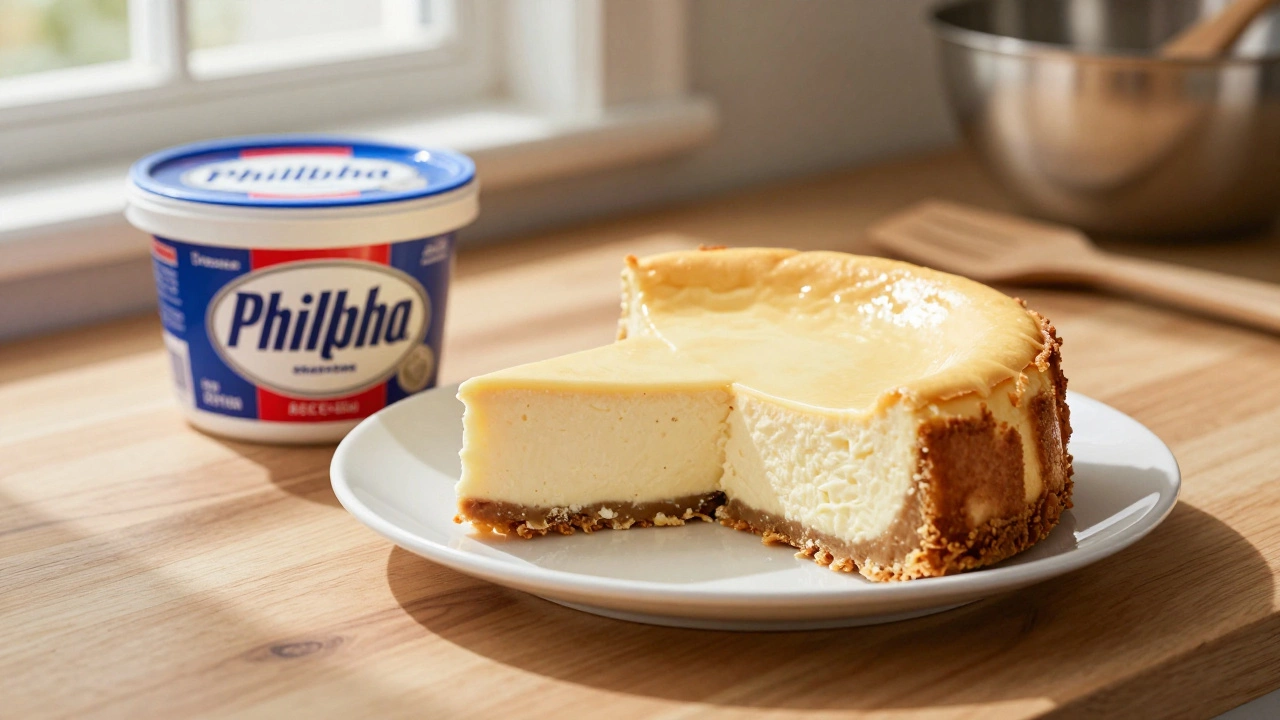
Philadelphia is cream cheese-no substitute needed. Learn why it's the best choice for perfect cheesecake, how to use it right, and what alternatives actually work.
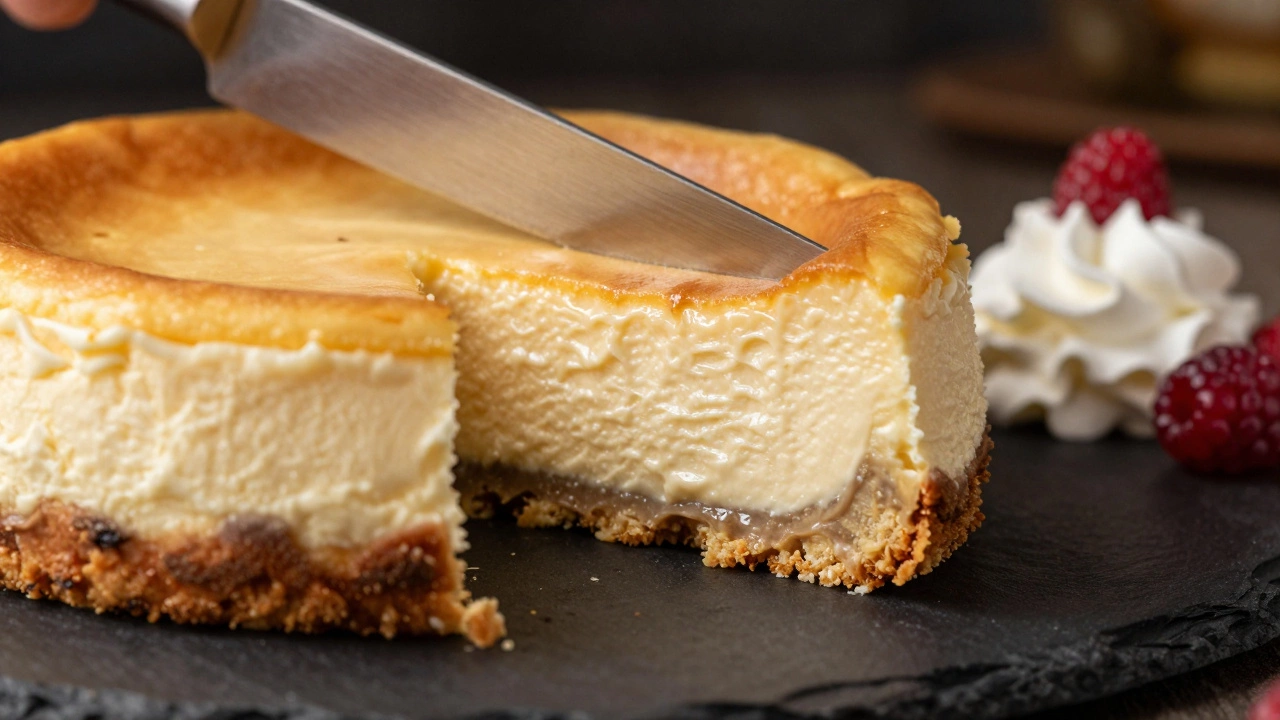
Discover why some cheesecakes are rich and dense while others are light and fluffy. Learn how cream cheese, eggs, sugar, and baking method control texture in every slice.
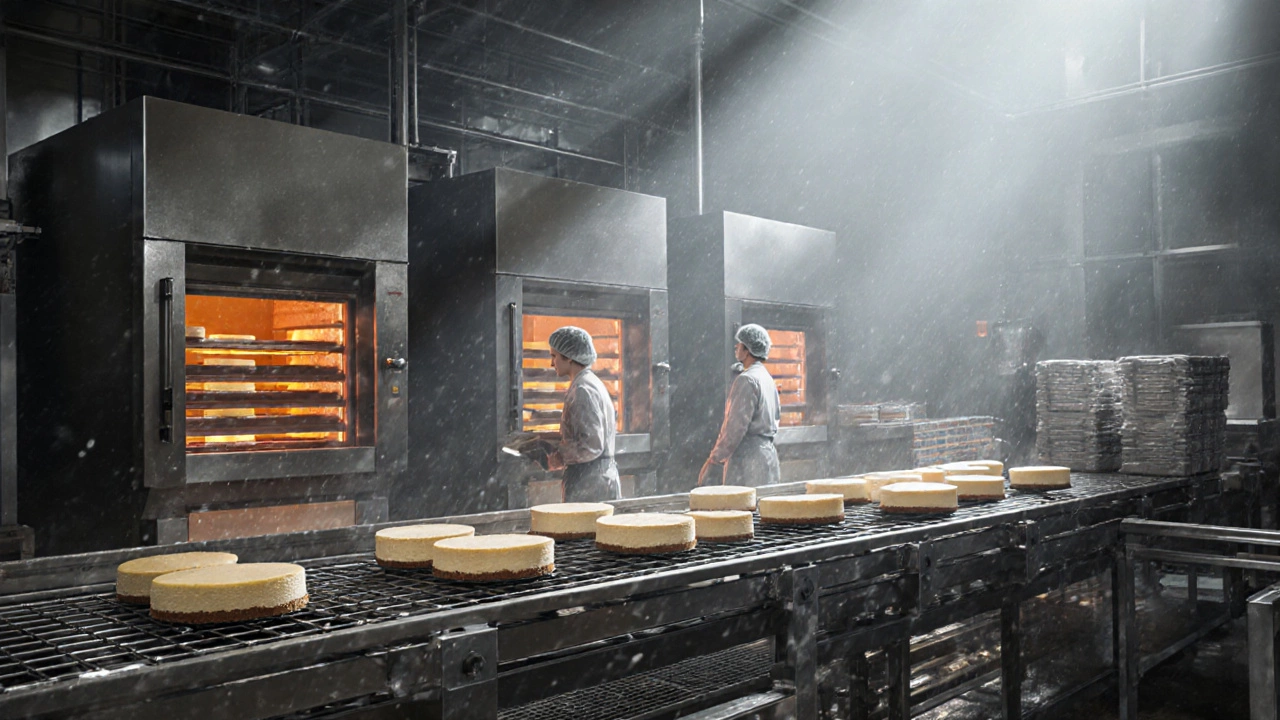
The Cheesecake Factory doesn't bake cheesecakes in each restaurant-they're made in a central bakery and shipped frozen. Here's how they keep them creamy, crack-free, and consistent across 200+ locations.
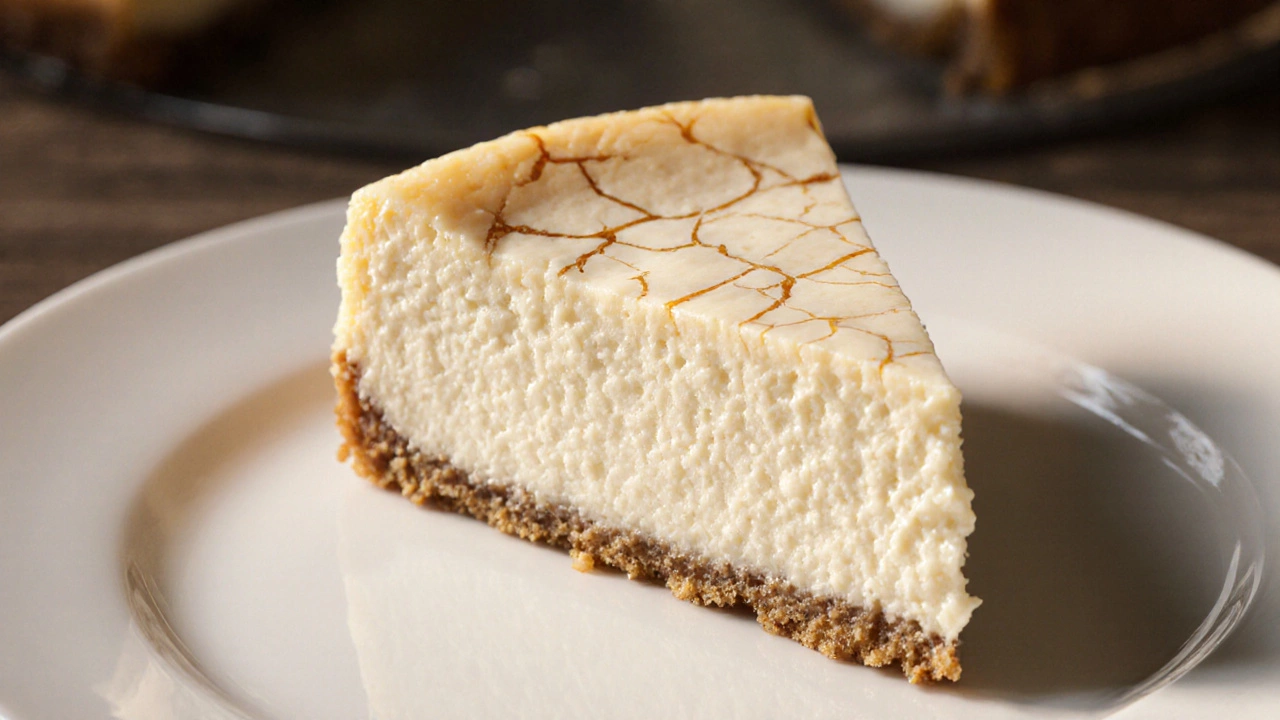
Discover the history, key ingredients, a classic home recipe, and the top NYC spots for the iconic New York cheesecake.
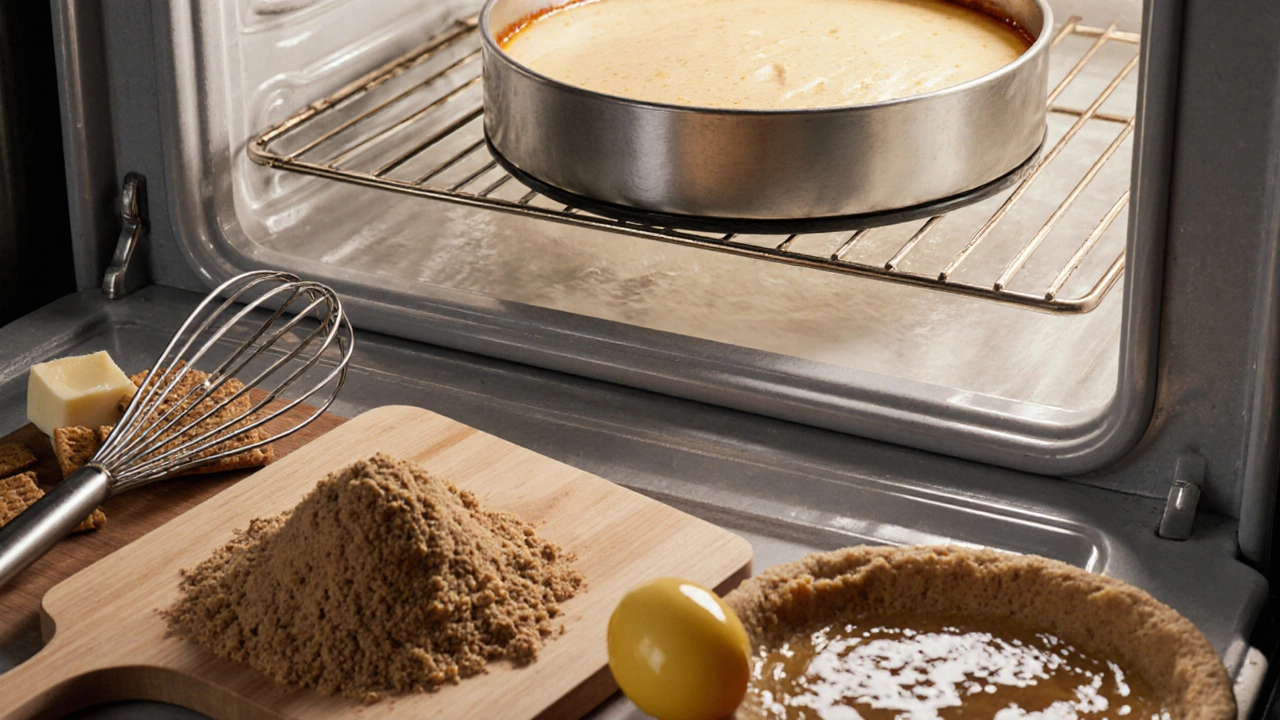
Explore the pros and cons of baked versus no‑bake cheesecake, from texture and flavor to prep time, so you can pick the perfect style for any occasion.
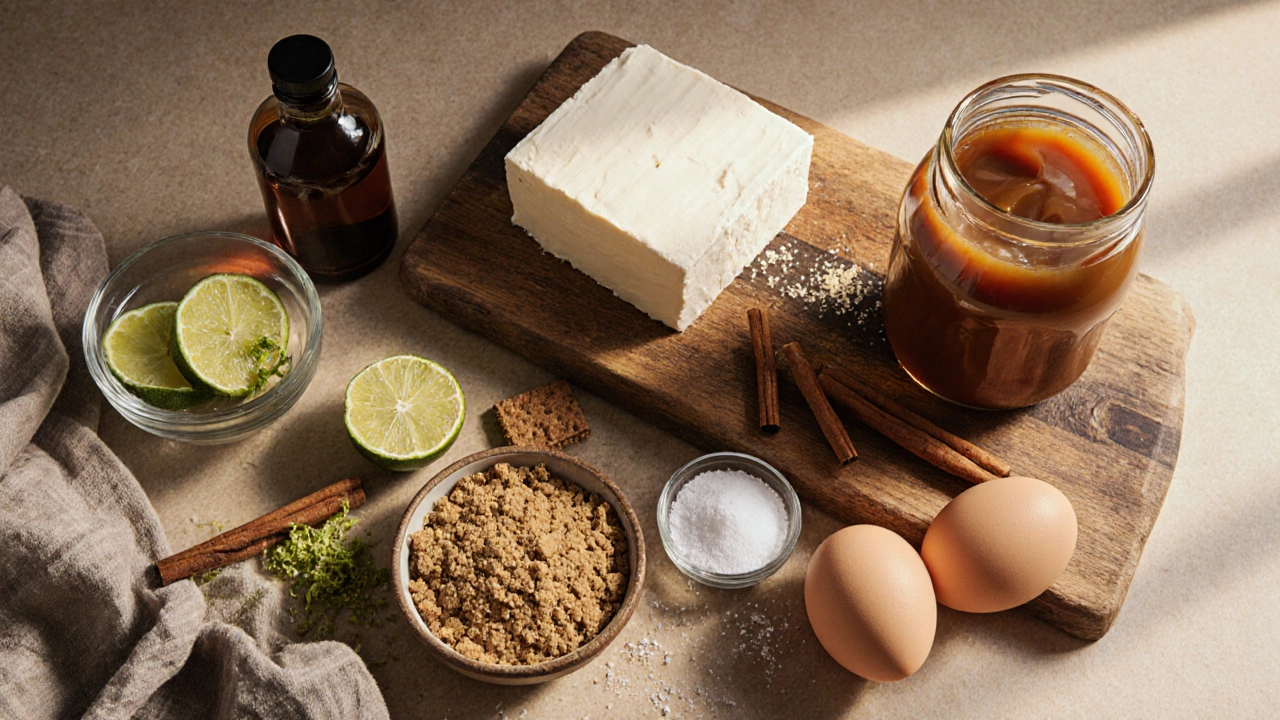
Discover the key ingredients that create authentic Mexican cheesecake, from creamy cheese and dulce de leche to lime zest and cinnamon, plus tips, variations, and a step‑by‑step guide.