

Brownie Resting Timer & Guide
Configure Your Brownies
Recommended Rest Time
Countdown
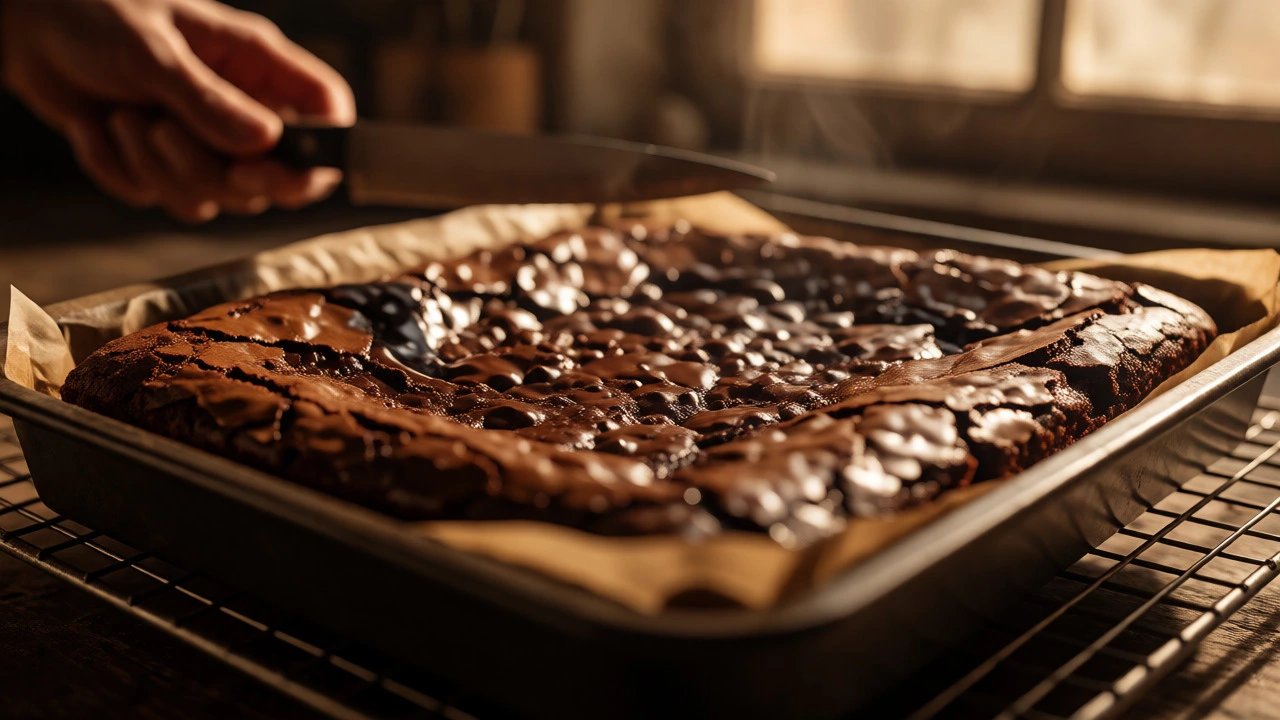
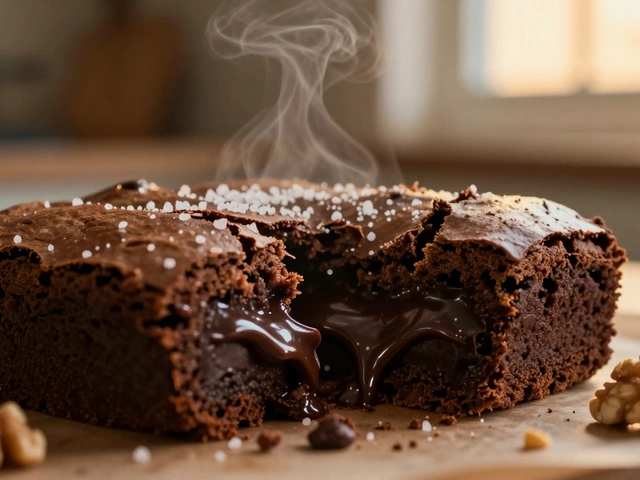
You just pulled a pan of brownies out of the oven. The kitchen smells like heaven, the chocolate is still bubbling slightly in the center, and you are holding a knife with white-knuckle intensity. Your brain screams "Eat now!" but your experience whispers "Wait." If you cut into them too early, you don't get a clean slice; you get a gummy, crumbling mess that sticks to your teeth and looks nothing like the glossy squares on Pinterest. The secret to those perfect, dense, fudgy layers isn't just the recipe-it's the patience.
Resting isn't just about letting them cool down so you don't burn your tongue. It’s a critical chemical phase where the structure of the baked good sets. Skipping this step is the number one reason homemade brownies fail to look professional. Here is exactly how long you need to wait, why it matters, and how to speed up the process without ruining the magic.
The Science Behind the Wait
When brownies bake, heat melts the fats (butter or oil) and dissolves the sugars. The proteins in the eggs coagulate, creating a scaffold, while the starches gelatinize. But when they come out of the oven, this structure is fragile. The fats are still liquid, and the sugars haven't fully recrystallized. If you cut through warm brownies, you sever these weak bonds. The result? The interior collapses, releasing moisture that makes the crumb feel wet rather than fudgy.
As they cool, the fats solidify. Cocoa butter, specifically, has a high melting point near body temperature, which gives brownies their signature "melt-in-your-mouth" quality only after they have set at room temperature. Cooling allows the starch molecules to retrograde slightly, firming up the crumb. This process transforms a gooey batter-like state into a cohesive, sliceable dessert. Think of it as the difference between eating warm pudding and eating cold custard-same ingredients, totally different textures.
General Guidelines: How Long Is Enough?
There is no single answer because thickness, pan material, and ingredient ratios change the timeline. However, here are the realistic benchmarks for standard 9x13 inch pans:
- Fudgy Brownies: These have a higher fat-to-flour ratio. They need longer to set because there is less structural protein from flour. Aim for 45 minutes to 1 hour at room temperature.
- Cakey Brownies: With more flour and leavening agents, these set faster due to the stronger gluten network. You can usually slice them after 30 to 40 minutes.
- Blondies: Similar to cakey brownies but often denser. Allow 40 to 50 minutes.
- Thick or Layered Bars: If you made a thick slab or added a ganache layer, double the time. These may need 2+ hours or an overnight rest in the fridge.
If you try to rush this, you will end up with crumbs instead of squares. Patience pays off in texture.
Pan Material Matters More Than You Think
Your choice of bakeware drastically affects cooling time. Metal conducts heat efficiently, meaning the brownies stay hot longer inside the pan. Glass and ceramic retain heat even more stubbornly. Here is how different materials impact your resting schedule:
| Pan Type | Heat Retention | Recommended Rest Time | Best For |
|---|---|---|---|
| Dark Metal | High | 45-60 mins | Fudgy centers, crusty edges |
| Light Aluminum | Medium | 30-45 mins | Even baking, lighter crumb |
| Glass/Ceramic | Very High | 60-90 mins | Slow bakers who forget to check timers |
| Silicone Mat | Low | 20-30 mins | Quick serving, soft edges |
If you use glass, remember that it continues cooking the brownies even after removal from the oven. This carryover cooking means you should pull them out when the center still looks slightly underdone. Then, let them sit in the pan for at least an hour. If you remove them from a hot glass pan immediately, they might break apart because the structure hasn't had time to stabilize against the thermal shock.
The Fridge Hack: Speeding Up the Process
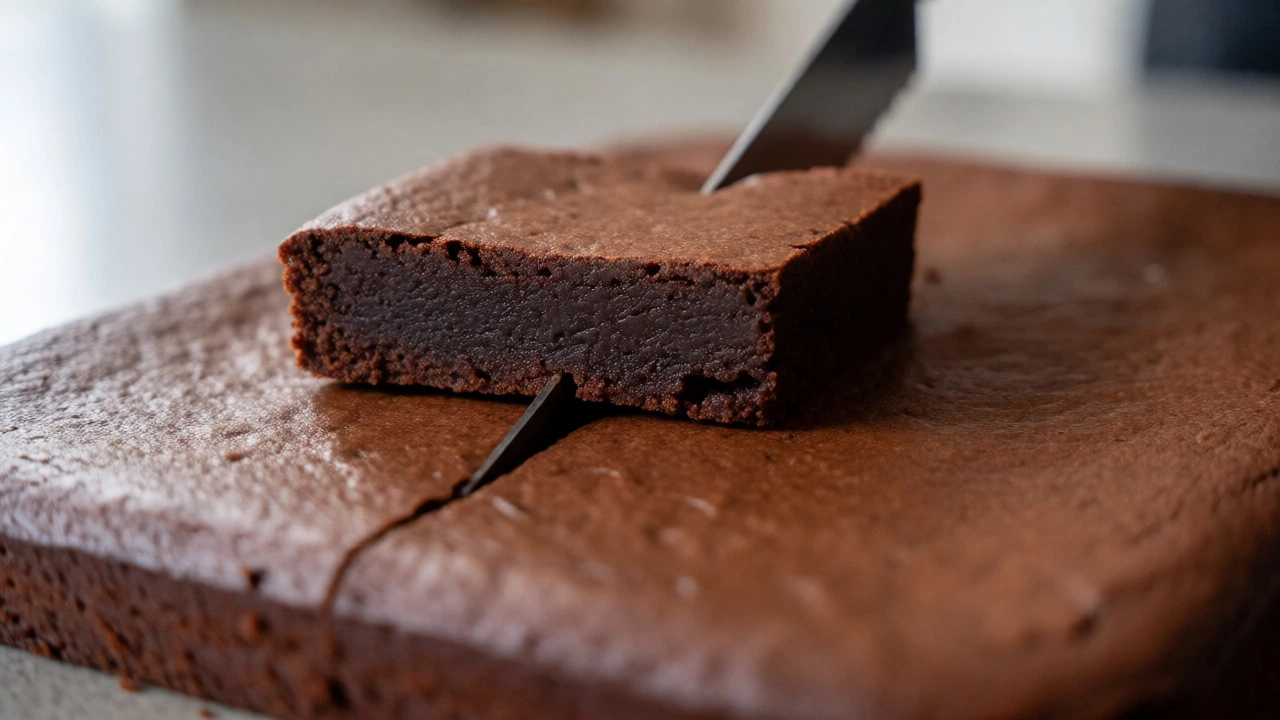
Nobody wants to wait two hours when guests are arriving in twenty minutes. Can you put brownies in the fridge? Yes, but with caveats. Refrigeration accelerates the solidification of fats, allowing you to slice cleanly much faster. However, refrigerators dry out baked goods quickly, turning moist brownies stale within hours.
To use the fridge effectively:
- Let the brownies cool in the pan on a wire rack for 15 minutes. This lets excess steam escape so they don't get soggy.
- Run a knife around the edge to loosen them from the pan.
- Lift the whole slab out using parchment paper overhangs.
- Place the slab on a plate and cover tightly with plastic wrap pressed directly onto the surface.
- Refrigerate for 20-30 minutes.
This method firms up the exterior enough for clean cuts while keeping the interior relatively soft. Just be aware that chilled brownies taste different than room-temperature ones. The cocoa flavors mute slightly, and the texture becomes firmer. For the best flavor profile, bring them back to room temperature for 10 minutes before serving if time permits.
Troubleshooting Common Mistakes
Even with the right timing, things can go wrong. Here are the most frequent issues and how to fix them:
The Center Is Still Jiggly After Cooling: This usually means they were underbaked. Don't panic. Return them to a 300°F (150°C) oven for 5-10 minutes. Watch closely-they burn fast. Once done, let them rest again. Underbaked brownies often turn out perfectly fudgy if caught early.
They Are Crumbling When Cut: You likely cut too soon or used a dull knife. Always use a sharp chef's knife or a serrated bread knife. Wipe the blade with a damp cloth between slices to remove sticky residue. For ultra-clean cuts, dip the knife in hot water and dry it thoroughly before each slice. The heat helps glide through the hardened chocolate.
The Edges Are Dry While the Center Is Raw: This is common with dark metal pans. Next time, lower the oven temperature by 25°F (15°C) and extend the baking time. Alternatively, rotate the pan halfway through baking. During the resting phase, cover the entire pan loosely with foil to trap some heat and allow residual warmth to finish cooking the center gently.
Serving Temperatures: Hot vs. Cold vs. Room Temp
The ideal serving temperature depends on what you want to achieve. There is no "wrong" way to eat a brownie, but each stage offers a distinct experience.
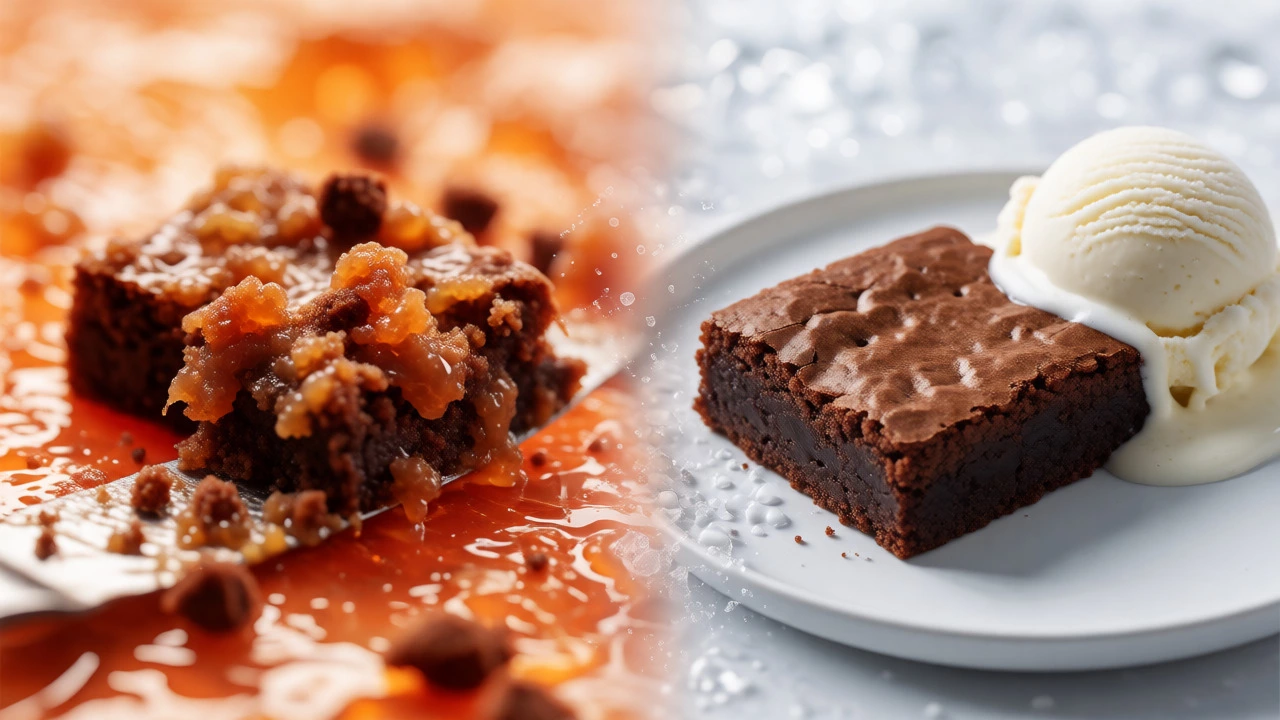
- Warm (10-15 mins post-bake): Best paired with vanilla ice cream. The contrast between hot brownie and cold cream is iconic. Expect messy edges and a softer bite.
- Room Temperature (1-2 hours post-bake): The gold standard for texture. The fats have set, the flavors have melded, and the crumb is tender yet structured. This is when brownies taste most balanced.
- Chilled (Fridge): Firmer, denser, almost truffle-like. Great for packing in lunchboxes or taking on picnics. Flavors are subdued, but portability wins.
- Reheated: A quick 10-second zap in the microwave restores the "fresh from oven" feel. Be careful not to overheat, or they become rubbery.
If you are hosting a dinner party, bake them ahead of time. Let them rest fully, then store them covered at room temperature. Serve them at peak freshness when your guests arrive.
Storage Tips to Maintain Freshness
Once rested and sliced, how you store them determines their lifespan. Brownies are hygroscopic, meaning they absorb moisture from the air. Left uncovered, they dry out within a day.
For short-term storage (up to 4 days), keep them in an airtight container at room temperature. Place a piece of bread in the container with the brownies-the brownies will steal moisture from the bread, staying soft while the bread goes hard. Replace the bread every two days.
For long-term storage (up to 3 months), freeze individual squares wrapped in plastic wrap and foil. Thaw at room temperature for an hour before eating. Frozen brownies actually improve in texture after thawing, becoming incredibly fudgy.
Can I cut brownies while they are still warm?
You can, but you shouldn't if you want clean squares. Warm brownies have a fragile structure. Cutting them too early causes them to crumble and stick to the knife. If you must serve them warm, scoop them into bowls rather than cutting them into neat pieces.
Why do my brownies fall apart when I take them out of the pan?
This usually happens if you removed them from the pan before they cooled sufficiently. The fats need time to solidify to hold the shape. Always let them cool in the pan for at least 15-20 minutes, then lift them out using parchment paper. If they still stick, run a thin knife around the edges to release any stuck spots.
Does putting brownies in the fridge make them hard?
Yes, chilling firms up the cocoa butter and other fats, making the texture denser and harder. If you prefer a softer bite, let them sit at room temperature for 15-20 minutes after removing them from the fridge. This brings them back to a more pleasant consistency.
How do I know if brownies are done baking?
Insert a toothpick into the center. It should come out with a few moist crumbs attached, not wet batter. If it comes out completely clean, you've likely overbaked them, resulting in cakey or dry brownies. The center will continue to set as it cools.
Should I cover brownies while they cool?
No, not initially. Covering hot brownies traps steam, which can make the top soggy or prevent the crust from forming. Let them cool uncovered on a wire rack until they reach room temperature. Only cover them once they are completely cool to store them.



Write a comment